
- Home
- Japandi Wall Lights
Japandi Wall Lights
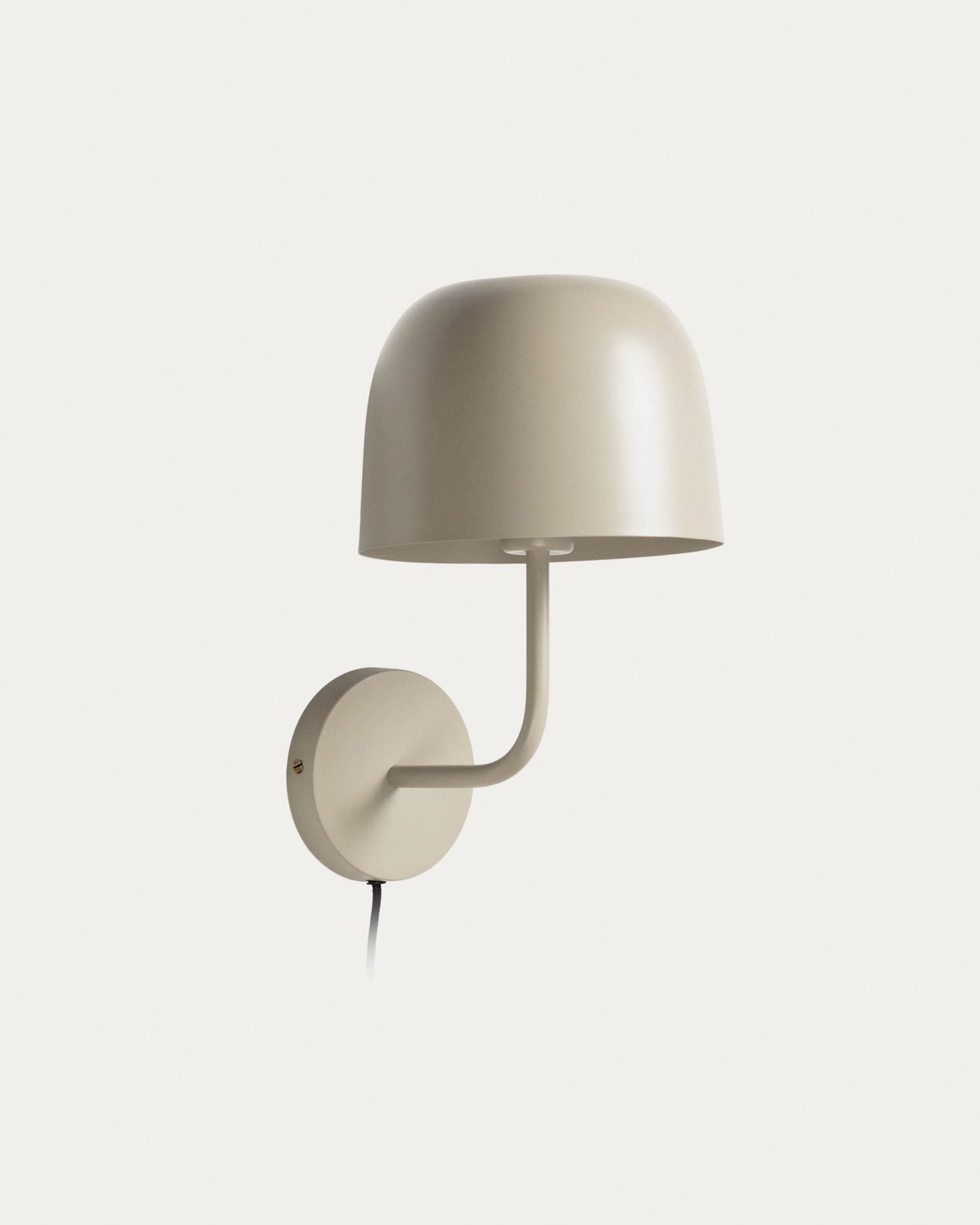
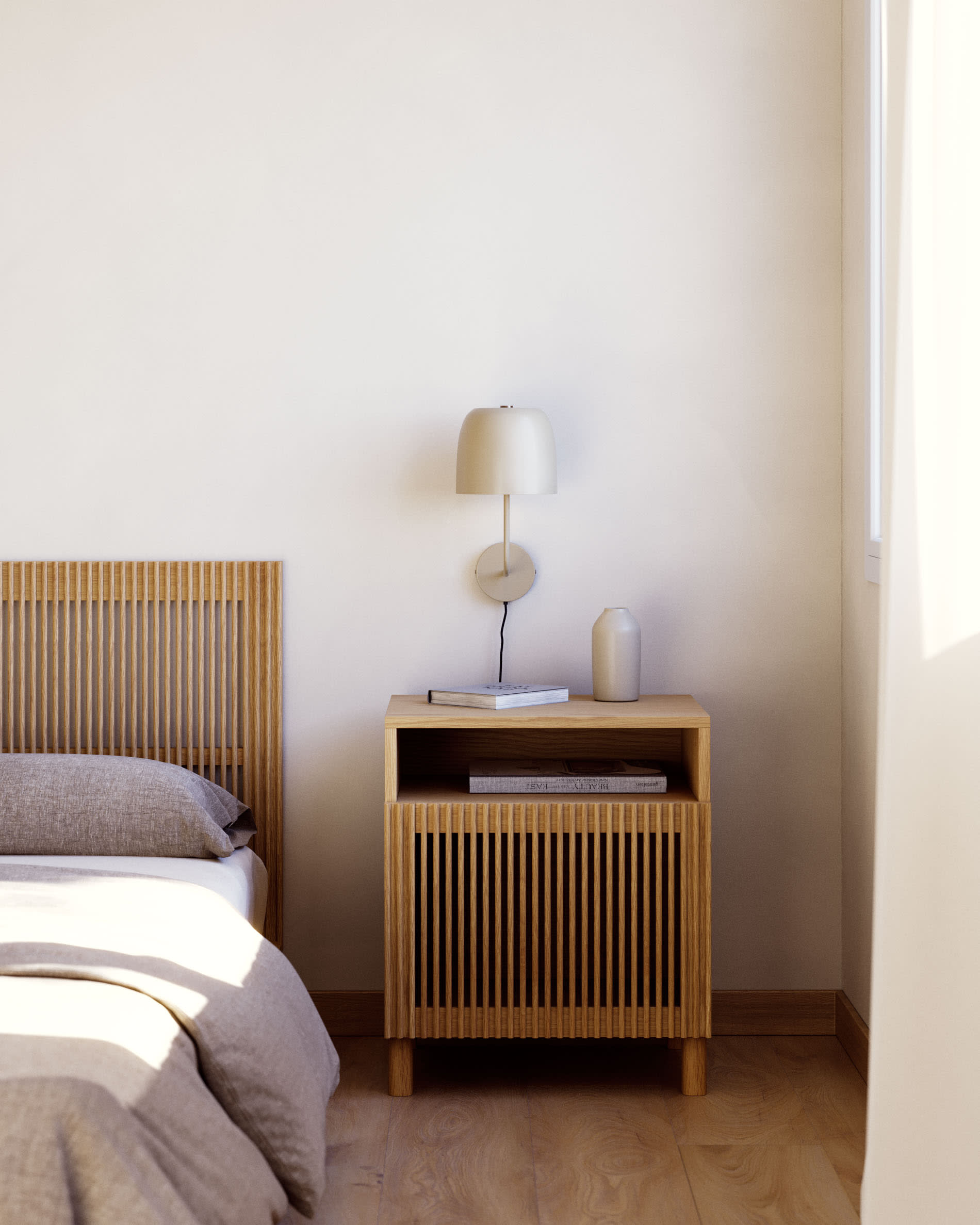
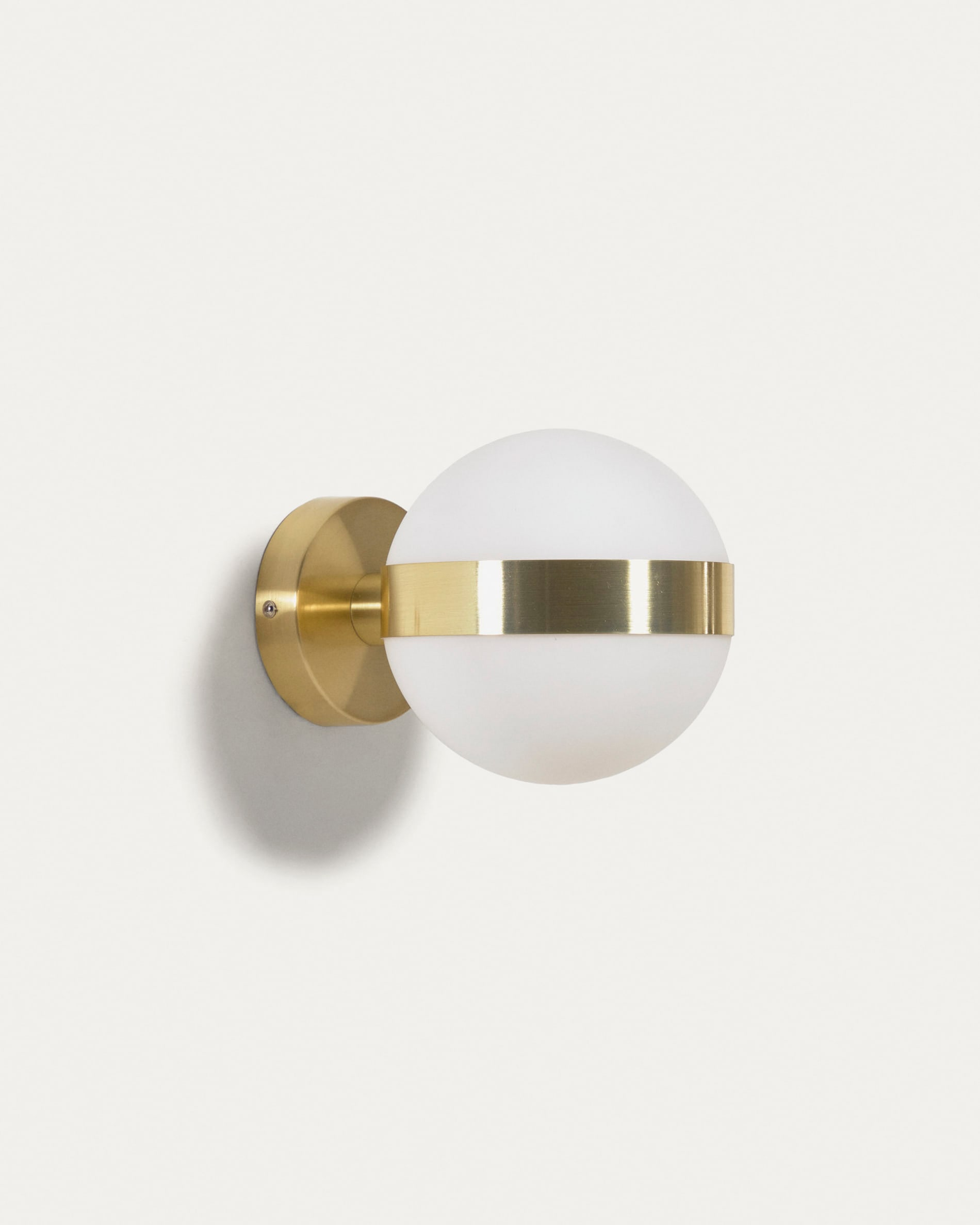
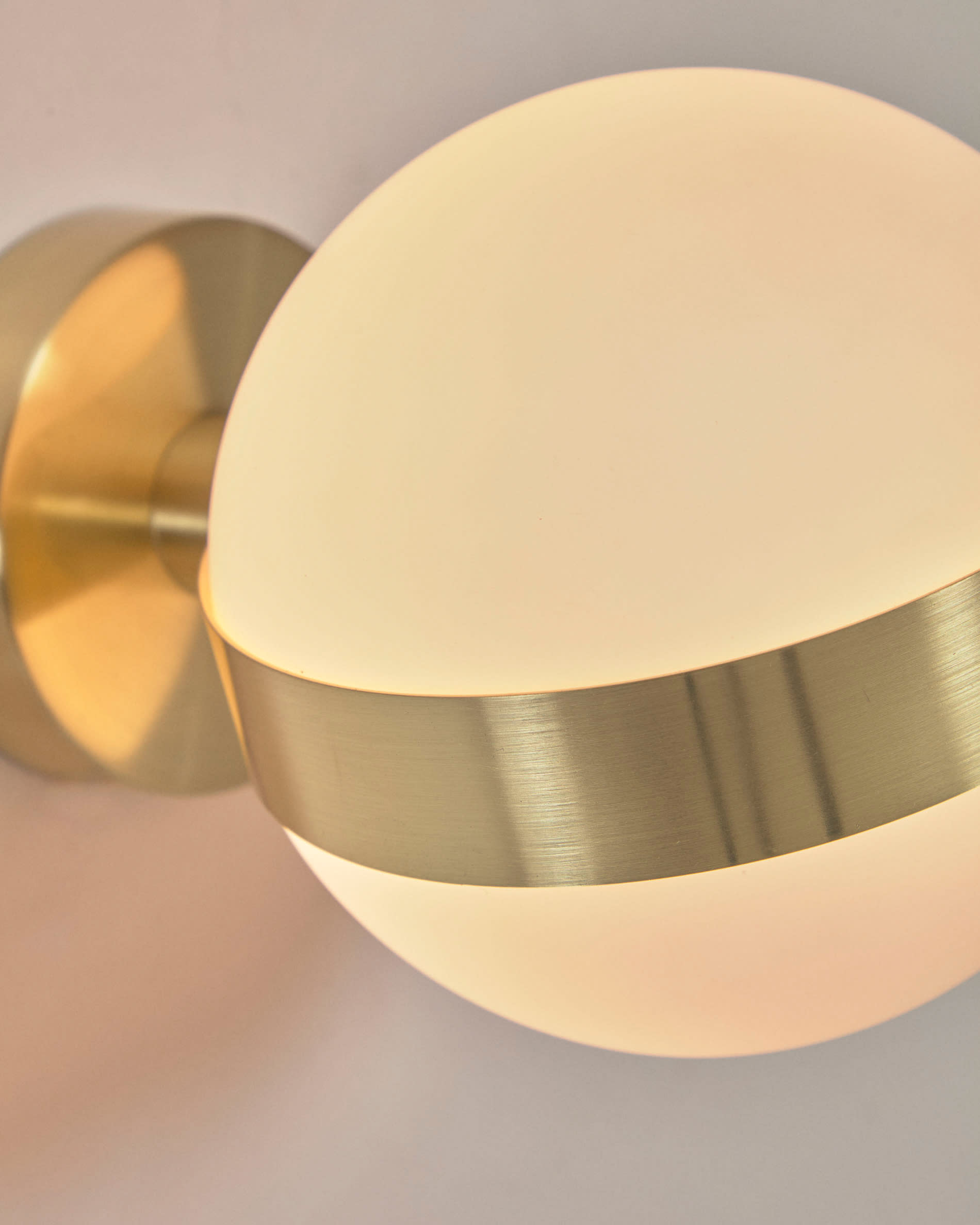
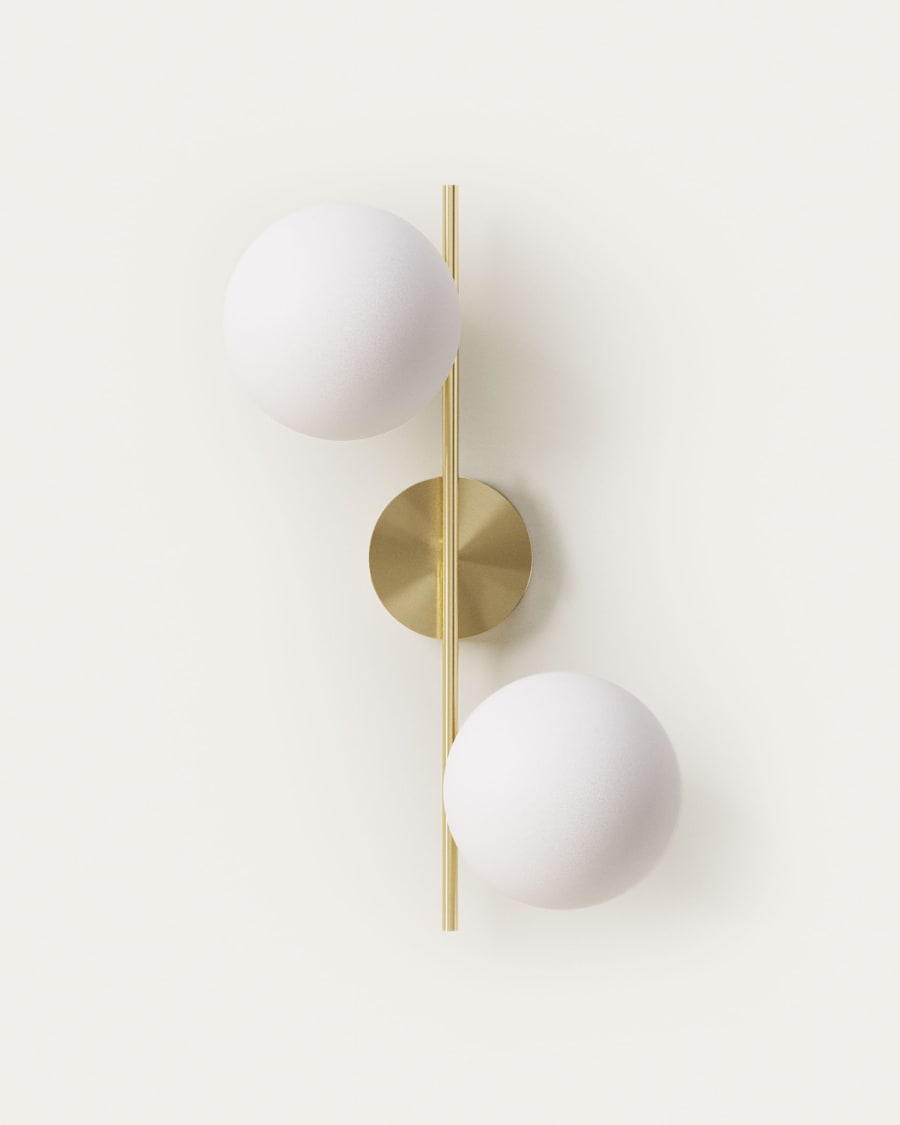
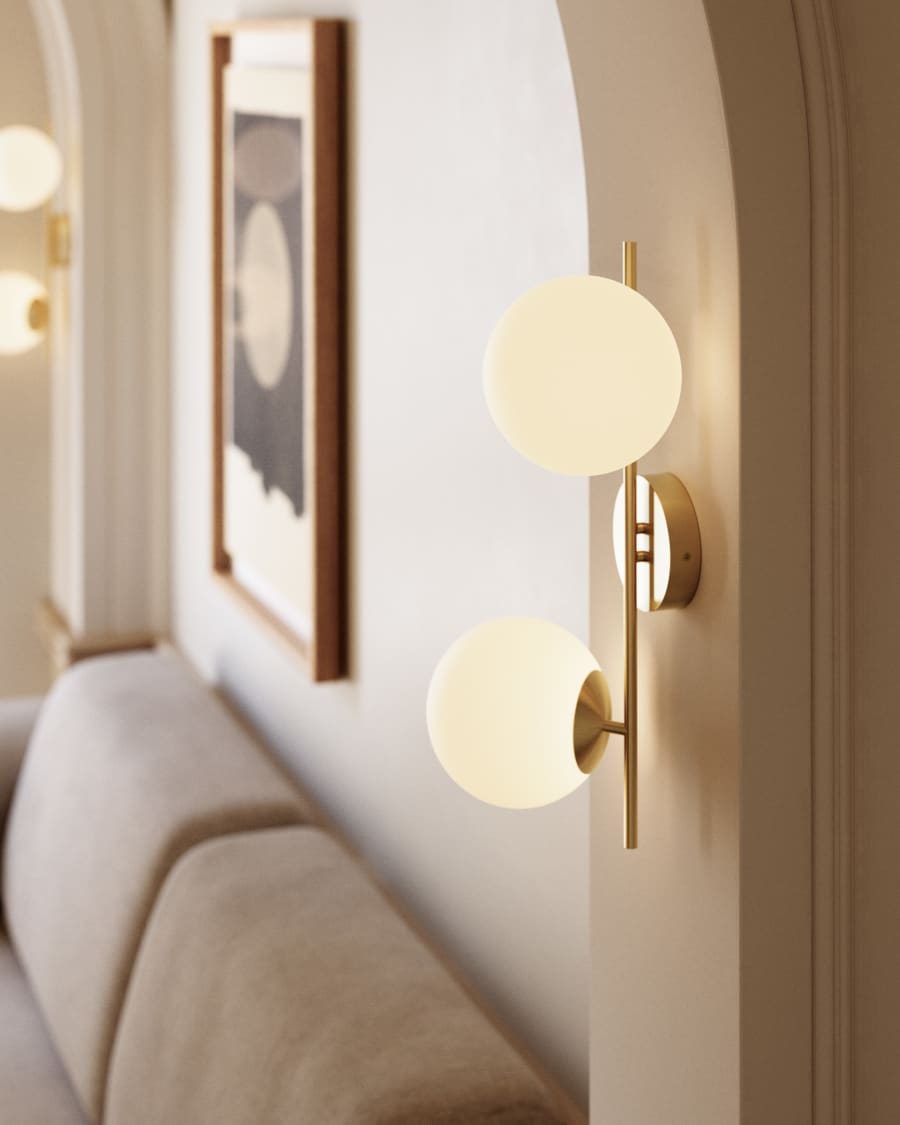
Japandi Wall Lights: Minimalist & Natural Light Fixtures
Japandi wall lights merge Japanese minimalism's clean lines with Scandinavian warmth's organic textures. This hybrid style balances austerity and coziness, creating serene spaces without sacrificing functionality.
Designers achieve this equilibrium by blending contrasting philosophies. Japanese wabi-sabi principles embrace imperfection through handcrafted details, while Scandinavian hygge adds tactile comfort via wool, linen, and warm wood tones. The result? Luminaires that feel simultaneously refined and inviting.
These fixtures embody Lagom's "perfect balance" concept. Each element serves dual purposes - a bamboo wall sconce might cast gentle shadows while displaying natural grain patterns. This multifunctionality satisfies both aesthetic and practical needs simultaneously.
Natural Materials And Textures
Artisans prioritize earthy components that age gracefully. Common materials include:
- Bamboo and rattan for organic curves
- Weathered oak and bleached teak
- Opal glass diffusers
- Raw-edged concrete accents
- Woven jute and raffia shades
These elements gain character with time. A linen shade softens light while displaying natural fiber variations. Unlacquered brass hardware develops patina, visually anchoring the fixture in temporal beauty.
Color Palettes And Light Quality
Soft neutrals dominate Japandi color schemes. Designers combine:
- Warm whites and greiges
- Desaturated sage and slate
- Blackened steel accents
- Amber-hued wood tones
LED panels hidden in recessed frames provide even ambient glow. Frosted glass shades soften harsh edges, while matte metal finishes prevent glare. The lighting effect? Calming illumination that adapts.
Design Philosophy Behind Japandi Wall Lights
These fixtures follow Scandinavian "hygge" principles through tactile surfaces combined with Japanese "ma" concepts of negative space. The design approach prioritizes:
- Hidden light sources that emphasize form
- Architectural shapes with subtle curves
- Minimal joints and visible hardware
- Proportions following the golden ratio
Skilled artisans create intentional asymmetry in patterns, honoring wabi-sabi while maintaining Scandinavian order. This paradoxical balance makes each piece feel both spontaneous and carefully considered.
Scandinavian Influence On Japandi Design
Nordic design contributions manifest through:
- Geometric shapes softened by organic edges
- woodgrain preservation
- Functional adjustability features
- Modular mounting systems
These elements ensure practicality without compromising aesthetics. A rotating wall light might combine brushed brass hardware with a curved teak frame, offering directional light control while maintaining visual harmony.
Japanese Aesthetics Integrated Into Wall Lights
Japanese minimalism shines:
- Disciplined restraint in decoration
- Revealed joinery as design feature
- Shadow lines between components
- Ephemeral material expressions
One popular technique involves carving shallow grooves into wooden lamp bodies, creating depth through light interaction rather than ornamentation. These subtle details reward close observation without demanding attention.
Functional Beauty Of Japandi Wall Lights
These fixtures transform walls into sculptural elements. Their functional advantages include:
- illumination for reading
- Space-saving vertical lighting
- Architectural accent possibilities
- Energy-efficient LED integration
Many models feature adjustable arms or swivel heads, adapting from task lighting to ambient mood setters. This versatility makes them ideal for small apartments and open-plan spaces alike.
Balancing Form And Function
Designers use biomimicry to solve lighting challenges. A curved bamboo wall sconce might:
- Channel light downward
- Cast leaf-like shadow patterns
- Control glare through layered elements
- Provide warm color temperatures
This approach creates fixtures where technical performance enhances decorative appeal rather than competing with it.
Adapting To Modern Living Needs
Contemporary Japandi lights incorporate smart features:
- Touch-sensitive dimming
- Color temperature adjustment
- Smart home integration
- Energy-saving sensors
These technologies remain discreetly integrated. A motion-activated hallway light might resemble a floating wooden crescent, hiding advanced sensors behind traditional craftsmanship.
Incorporating Japandi Wall Lights Into Interior Design
These fixtures work best when paired with complementary elements. Key integration strategies include:
- Grouping similar materials (wooden shelves with wooden wall lights)
- Creating rhythmic patterns with multiple fixtures
- Layering with floor lamps for balanced illumination
- Using lighting as architectural punctuation
For maximal impact, space wall lights 6-8 feet apart in corridors, or cluster three units above vanities for balanced task lighting.
Space Optimization Techniques
Vertical lighting solves spatial challenges through:
- Wall-mounted reading lights in compact bedrooms
- Recessed LED strips for hallway illumination
- Rotating arms for convertible workspaces
- Recessed wall grazing to highlight textures
A 2024 trend involves asymmetrical cluster installations - grouping three differently-sized fixtures for gallery-like wall compositions that maintain Japandi's serene aesthetic.
Harmonizing With Japandi Style
Create cohesive environments by pairing wall lights with:
- Low-profile furniture with exposed joinery
- Textured linen curtains
- Exposed ceiling beams
- Indoor plants in ceramic pots
For bathrooms, combine waterproof wood composites with ceramic wall sconces. In living rooms, position lights to accentuate built-in shelving while providing warm ambient glow for cozy evenings.
What Are Japandi Wall Lights?
Japandi wall lights embody a design philosophy where Japanese minimalism meets Scandinavian comfort. This hybrid style, coined from "Japanese" and "Scandi," merges the wabi-sabi principle—celebrating imperfection—with the Danish concept of hygge, which prioritizes warmth and coziness. The result? Lighting fixtures that balance serene simplicity and functional elegance, creating spaces that feel both zen and inviting.
These wall lights are defined by clean lines and natural materials like bamboo, wood, and linen, reflecting the soft colors of earthy neutrals. They avoid excessive ornamentation, focusing instead on forms that enhance ambient light. For example, designs might feature matte finishes in warm whites or muted greiges, paired with textured elements like woven rattan or brushed metal. The goal is to craft a zen and warm atmosphere—where light isn't just illumination but a deliberate extension of harmonious living.
Beyond aesthetics, Japandi wall lights emphasize artisanal craftsmanship and sustainable materials, often incorporating untreated wood, recycled glass, or plant-based textiles. Their versatility shines in modern homes, minimalist offices, or cozy cafes, adapting to diverse environments while maintaining a cohesive, calming presence. Some designs, like the Applique Japandi Plâtre Doré Laiton 18 cm – Aries, blend metallic accents with organic textures, while others, such as the Applique Japandi en coton beige et rotin – KARVEN, prioritize tactile softness. This adaptability ensures they complement both warm, earthy palettes and cooler, monochrome schemes, bridging the gap between Scandinavian functionality and Japanese serenity.
How To Choose Your Japandi Wall Lights
Japandi wall lights merge Japanese minimalism with Scandinavian warmth through clean lines, natural materials, and soft tones. These fixtures balance simplicity and comfort, creating serene spaces grounded in intentional design.
Focus On Natural Materials And Textures
Material choice defines the ambiance. Wood and bamboo add organic structure, while textiles like linen or jute diffuse warm, soft light. Paper or raphia evokes traditional lanterns, and ceramic or plaster embodies Wabi-Sabi’s embrace of imperfection. These materials shape aesthetics and light diffusion, ensuring layered, organic ambiance.
- Wood and Bamboo: For a structural, natural element.
- Linen, Cotton, and Jute: To create soft, diffused lighting.
- Paper and Raphia: For lightweight, traditional appeal.
- Ceramic and Plaster: For an earthy, handcrafted imperfection (Wabi-Sabi).
Consider The Shape And Form
Shapes influence the room’s mood. Organic, asymmetrical designs echo natural curves, evoking serenity. Geometric forms highlight minimalism. Curved rattan softens angular spaces, while circular wooden sconces add symmetry and warmth. The right shape balances the decor.
Match The Light To The Room's Purpose
Adapt fixtures to each room’s function:
- Bedroom: Use adjustable sconces for calming, warm (2700K-3000K) illumination.
- Hallway: Opt for slim, flush-mounted designs to prevent clutter.
- Living Room: Layer with floor or pendant lights for textured, sophisticated depth.
- Bathroom: Choose IP44-rated options with moisture-resistant materials like sealed wood or glass.
Japandi wall lights bridge minimalism and comfort. By prioritizing natural materials, intentional shapes, and functional design, these fixtures transform spaces into serene, purposeful retreats.
Practical Solutions For A Minimalist Aesthetic
Japandi’s blend of Japanese minimalism and Scandinavian warmth thrives on uncluttered spaces. Exposed cables from wall lights disrupt this harmony. Modern solutions maintain clean lines while embracing functionality, ensuring a calm, intentional space.
Plug-In Wall Lights: Flexibility Meets Style
Plug-in lights avoid professional installation, suiting renters or temporary setups. Their Japandi design uses matte wood, ceramic, and soft tones. Hide cords efficiently:
- Cable Covers: Adhesive plastic channels blend with walls when painted. Secure with Command Strips for damage-free removal. Choose neutral tones to match Japandi’s muted palette.
- Decorative Cords: Neutral fabric cables double as subtle design accents. Opt for linen or cotton textures to echo organic materials.
This maintains Japandi’s clutter-free ethos while allowing decor flexibility.
Rechargeable Wall Lights: The Ultimate Minimalism
Wireless rechargeable lights epitomize Japandi’s ethos—zero cables, total freedom. Features include:
- USB-C Rechargeability: Charge via portable banks or outlets for 9+ hours of warm, dimmable LED light.
- App Control: Adjust color temperature via smartphone apps for tailored ambiance. Schedule lighting shifts to mirror daylight.
- Removable Batteries: Swap drained batteries for charged ones, avoiding downtime.
Perfect for renters or evolving spaces. For example, a rechargeable light with a ceramic base adapts to minimalist bedrooms or reading nooks.
- Hardwired Lights: Seamless look but need pro installation. Ideal for bathrooms or living rooms needing polished design.
- Plug-In Lights: Easy setup but require cord management. Best for transitional spaces like offices.
- Rechargeable Lights: Wire-free flexibility but need periodic charging. Perfect for hallways or art areas.
Japandi thrives on intentional simplicity. Whether plug-in or rechargeable, each solution balances form and function. Prioritize ease of use, sustainability, or aesthetics—let your lighting reflect East-North harmony.
A Guide To Japandi Wall Light Styles
How do Japandi wall lights balance rustic charm and modern elegance? This hybrid style thrives on intentional contrasts—melding Japanese minimalism’s serene restraint with Scandinavian design’s hygge-inspired warmth. Whether you lean toward tactile textures or architectural silhouettes, Japandi wall lights adapt to create spaces that feel both grounded and elevated, blending functionality with quiet sophistication.
| Style/Material | Key Characteristics | Best For Creating... |
|---|---|---|
| Woven & Natural Fibers (Rattan, Jute, Bamboo) | Organic shapes, textured surface, handcrafted feel | A warm, bohemian, and relaxed atmosphere |
| Soft Textiles (Linen, Cotton) | Pleated or smooth shades, creates a very soft and diffuse glow | A cozy, serene, and sophisticated ambiance (Hygge) |
| Wood & Metal | Clean lines, mix of warm wood and cool metal, functional design | A modern, minimalist, and balanced look |
| Earthy Materials (Plaster, Ceramic) | Matte finish, imperfect texture, sculptural forms | An artistic, grounded, and Wabi-Sabi inspired space |
Ready to choose? These quick tips simplify integration while honoring Japandi’s core principles:
- Layer your lighting: Combine wall lights with floor lamps or pendants to build depth—think bamboo sconces beside a linen-shade floor lamp for organic-meets-soft contrast
- Use dimmers: Adapt light intensity from functional to relaxing with dimmable switches, especially for ceramic or plaster fixtures that cast sculptural shadows when low-lit
- Think in pairs: Frame mirrors or artwork symmetrically for visual harmony, like matching brass-and-oak sconces on either side of a reclaimed wood console
FAQ
What defines Japandi wall lights in terms of design and materials?
Japandi wall lights embody the fusion of Japanese minimalism and Scandinavian hygge, emphasizing simplicity, functionality, and natural beauty. They feature clean lines, soft color palettes like earthy neutrals, and materials such as light wood, bamboo, rattan, ceramic, and linen. The design philosophy embraces wabi-sabi—celebrating imperfection—through organic textures and asymmetrical forms. These lights aren't just functional; they create a zen, warm atmosphere, blending structural precision with tactile warmth.
How do plug-in and hardwired Japandi wall lights differ?
Plug-in Japandi lights offer flexibility: no professional installation is needed, and they can be easily repositioned. However, cords must be discreetly managed using decorative covers. Hardwired options provide a seamless, minimalist look by hiding wiring within walls but require an electrician. For those prioritizing flexibility, plug-in suits temporary setups, while hardwired installations enhance permanent, clutter-free aesthetics. Both align with Japandi's focus on simplicity, though hardwired versions better achieve the "uncluttered" ideal.
Where should I install Japandi wall lights for optimal bedroom ambiance?
Position Japandi wall lights 55-65 inches from the floor, ideally 6-12 inches above nightstands for reading. In bedrooms, opt for warm, dimmable bulbs (2700K-3000K) to create a cozy, inviting glow. Pair with organic materials like linen shades or wooden fixtures to enhance the hygge-inspired comfort. Avoid overly bright lighting; the goal is to balance functionality with serenity, reflecting Japandi's blend of Nordic practicality and Japanese calm.
How can I integrate wabi-sabi philosophy into Japandi lighting choices?
Embrace imperfection by selecting fixtures with raw, unpolished materials: ceramic with uneven glazes, untreated wood with visible knots, or handwoven rattan shades. Use warm, diffused lighting to soften spaces and install dimmers for adjustable moods. Pair Japandi lights with textured linens, unglazed ceramics, or stone accents to reinforce the wabi-sabi ethos—finding beauty in the natural, the aged, and the subtly flawed. This approach harmonizes with Japandi's core values of authenticity and understated elegance.
Are rechargeable Japandi wall lights a viable option for minimalist interiors?
Rechargeable Japandi lights are ideal for minimalist spaces seeking absolute wire-free simplicity. They eliminate the need for outlets or hardwired installations, offering portability and a clean aesthetic. Perfect for renters or those avoiding electrical work, they still deliver Japandi's signature warm, ambient glow. Note: periodic charging is required, so balance practicality with your lifestyle. Pair them with natural elements like wood or linen to maintain the style's organic harmony while enjoying modern convenience.