Japandi Rugs | Scandinavian & Japanese Inspired Collection
Japandi rugs are a bridge between Japanese minimalism and Scandinavian functionality. They use natural materials like jute, wool, and cotton to create spaces that feel both peaceful and practical. Neutral tones dominate, blending beige, grey, and white to evoke calmness while maintaining warmth through textures and organic shapes. This fusion isn’t just aesthetic—it’s about crafting environments where simplicity meets everyday use.
Design Elements That Define Japandi Rugs
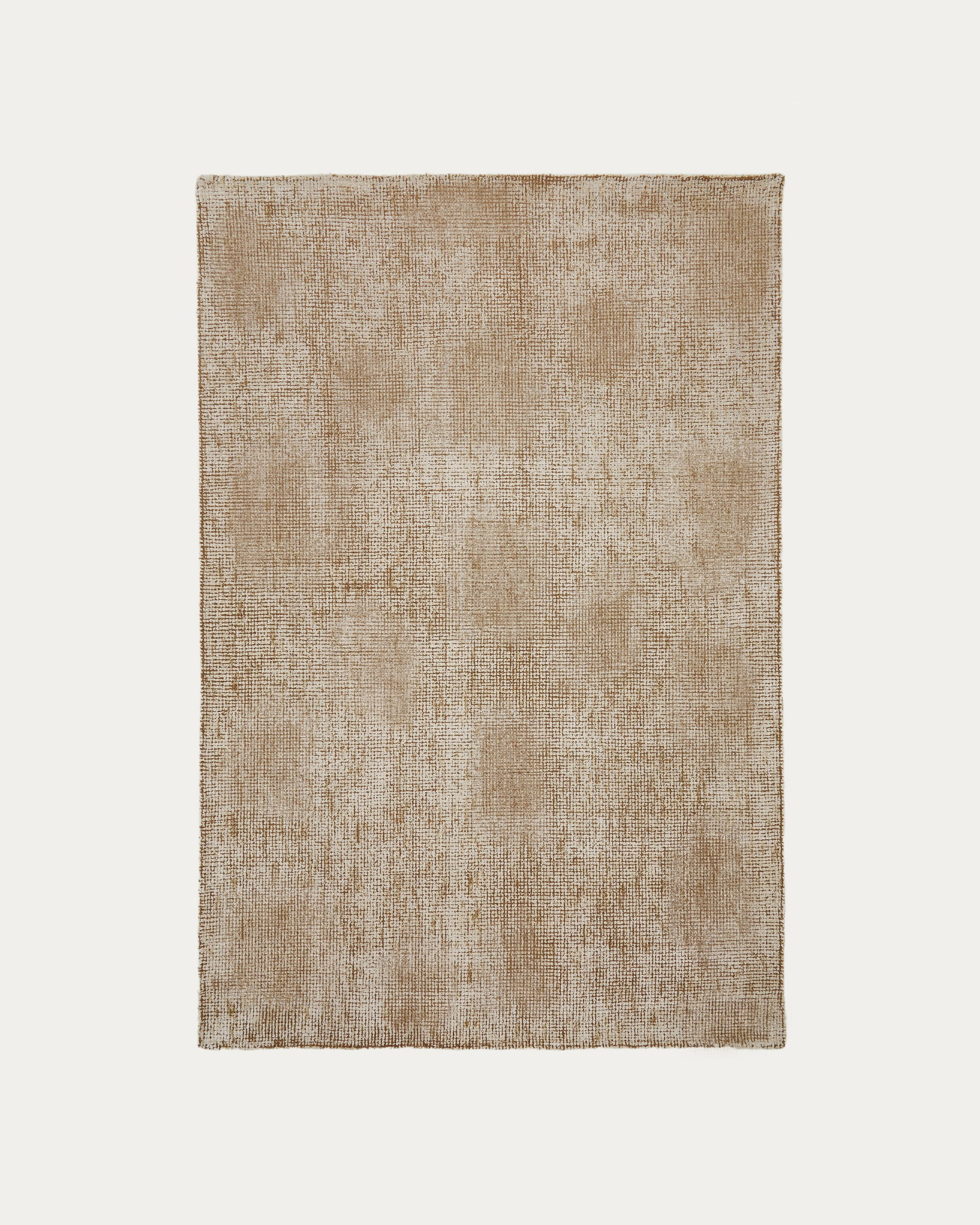
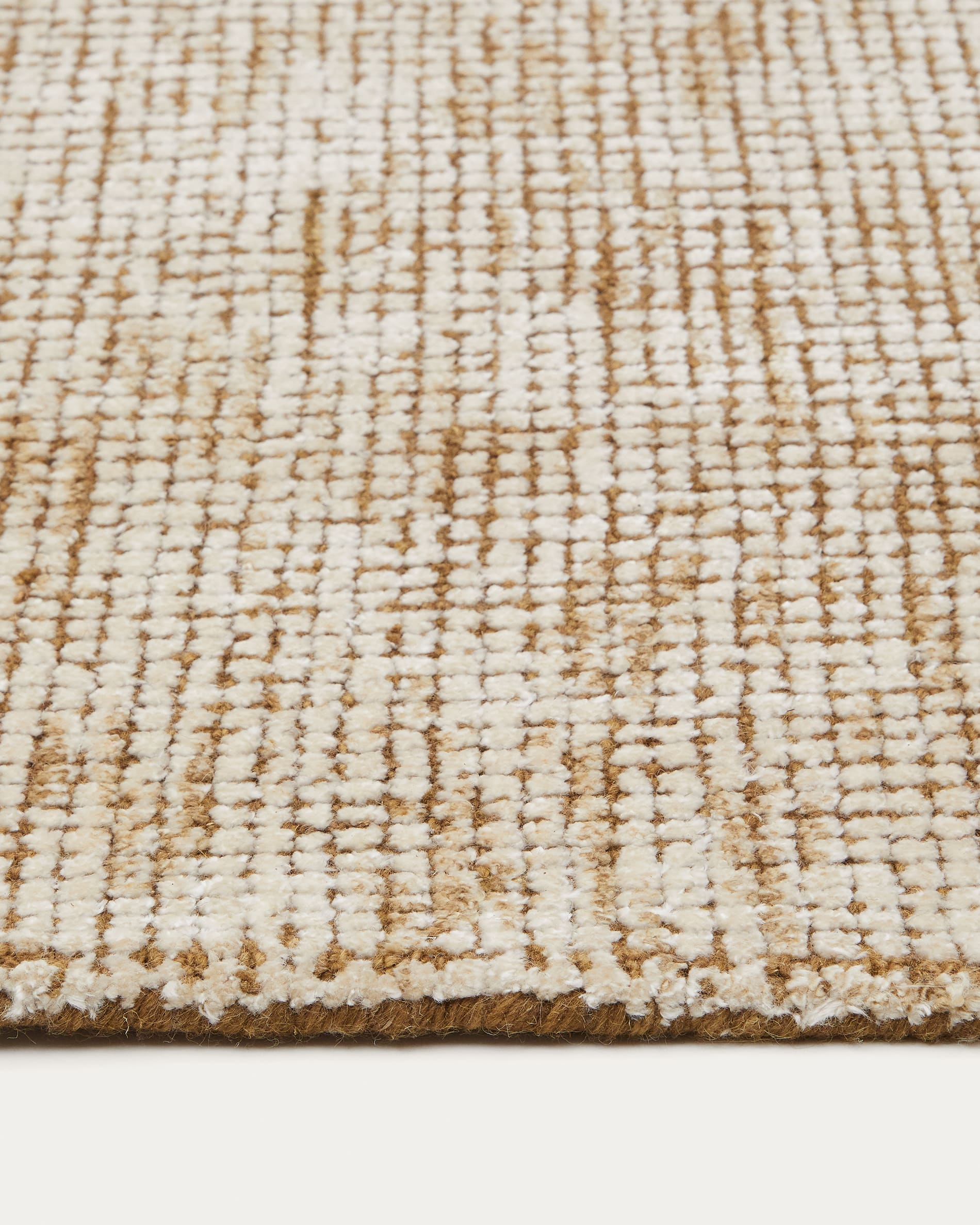
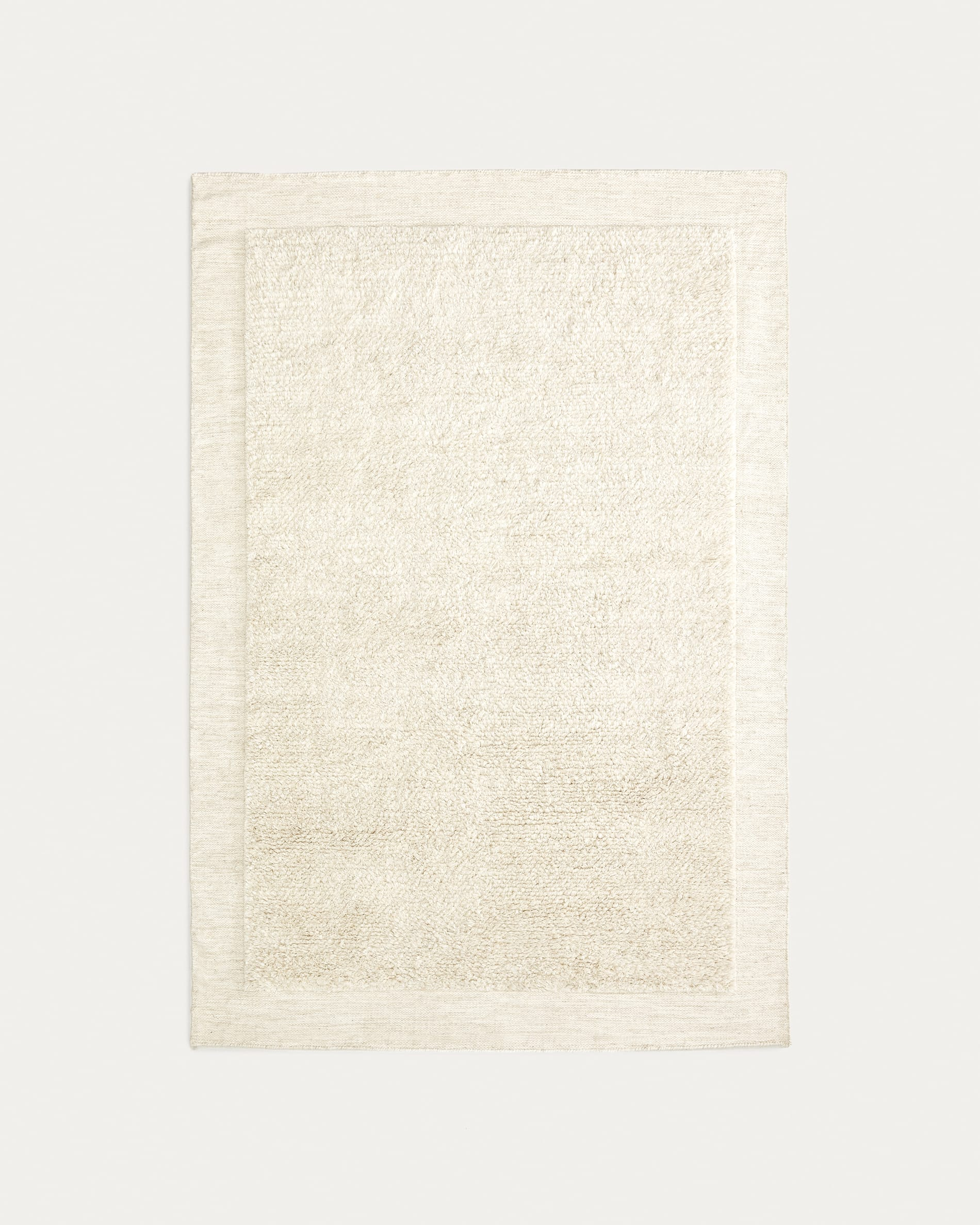
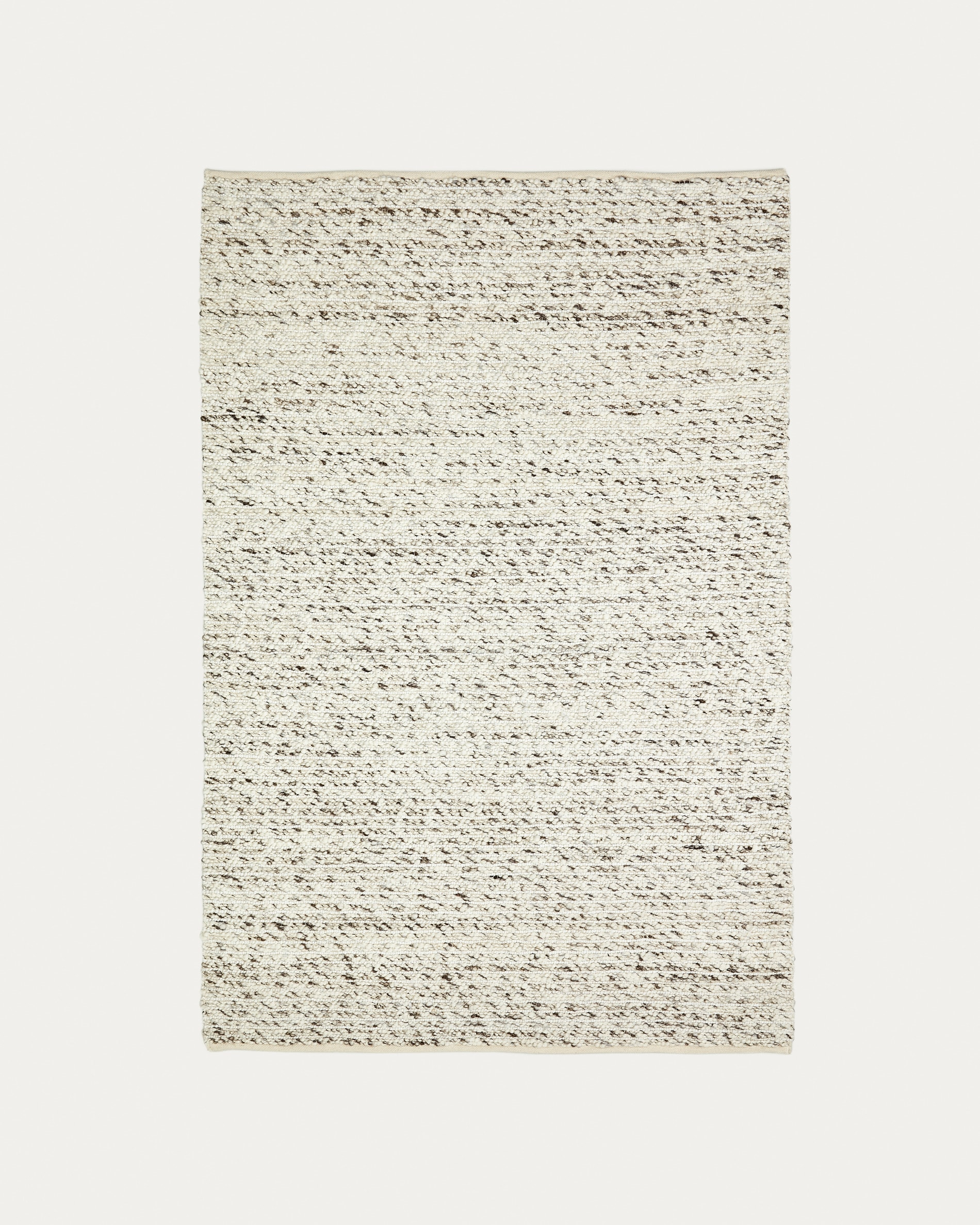
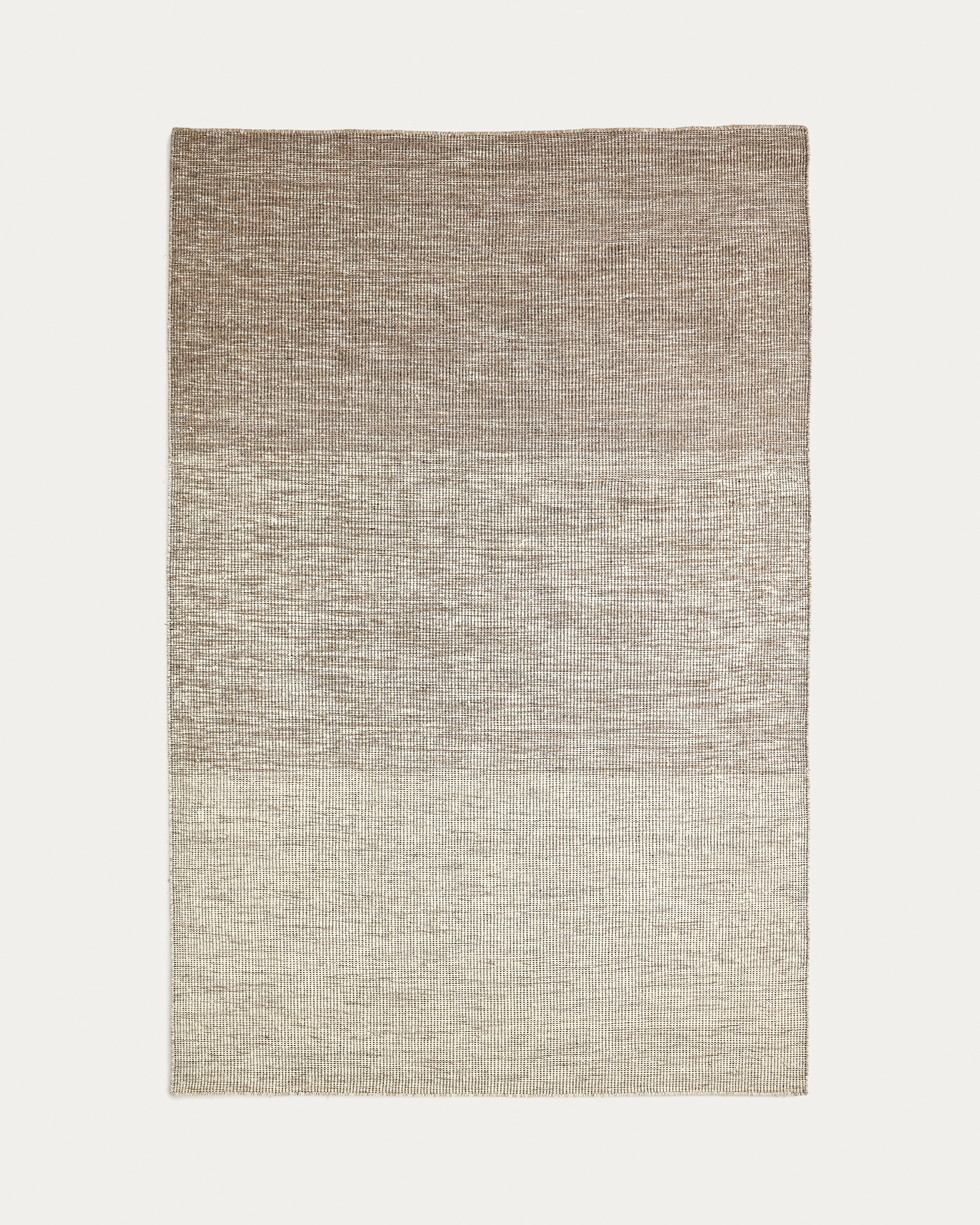
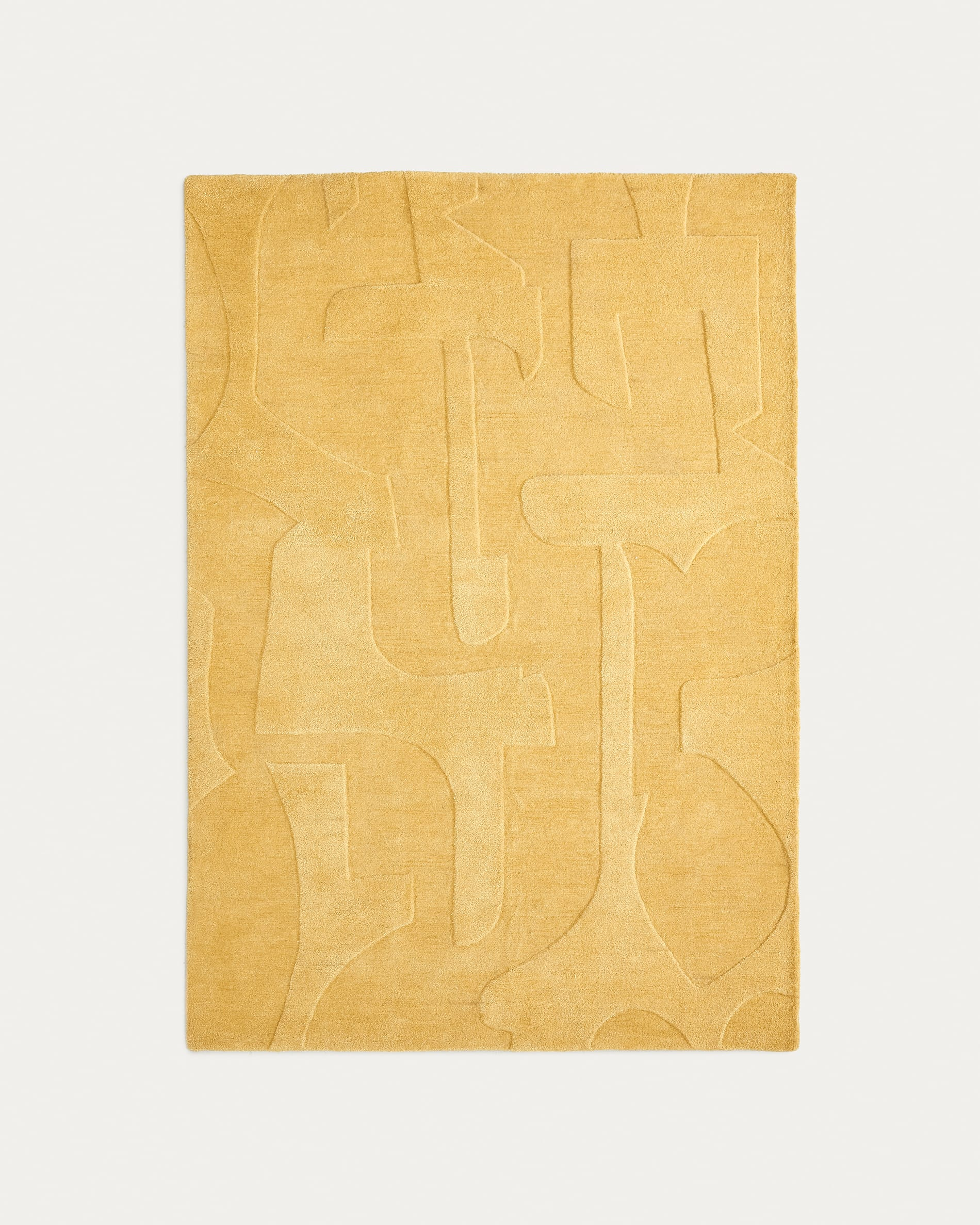
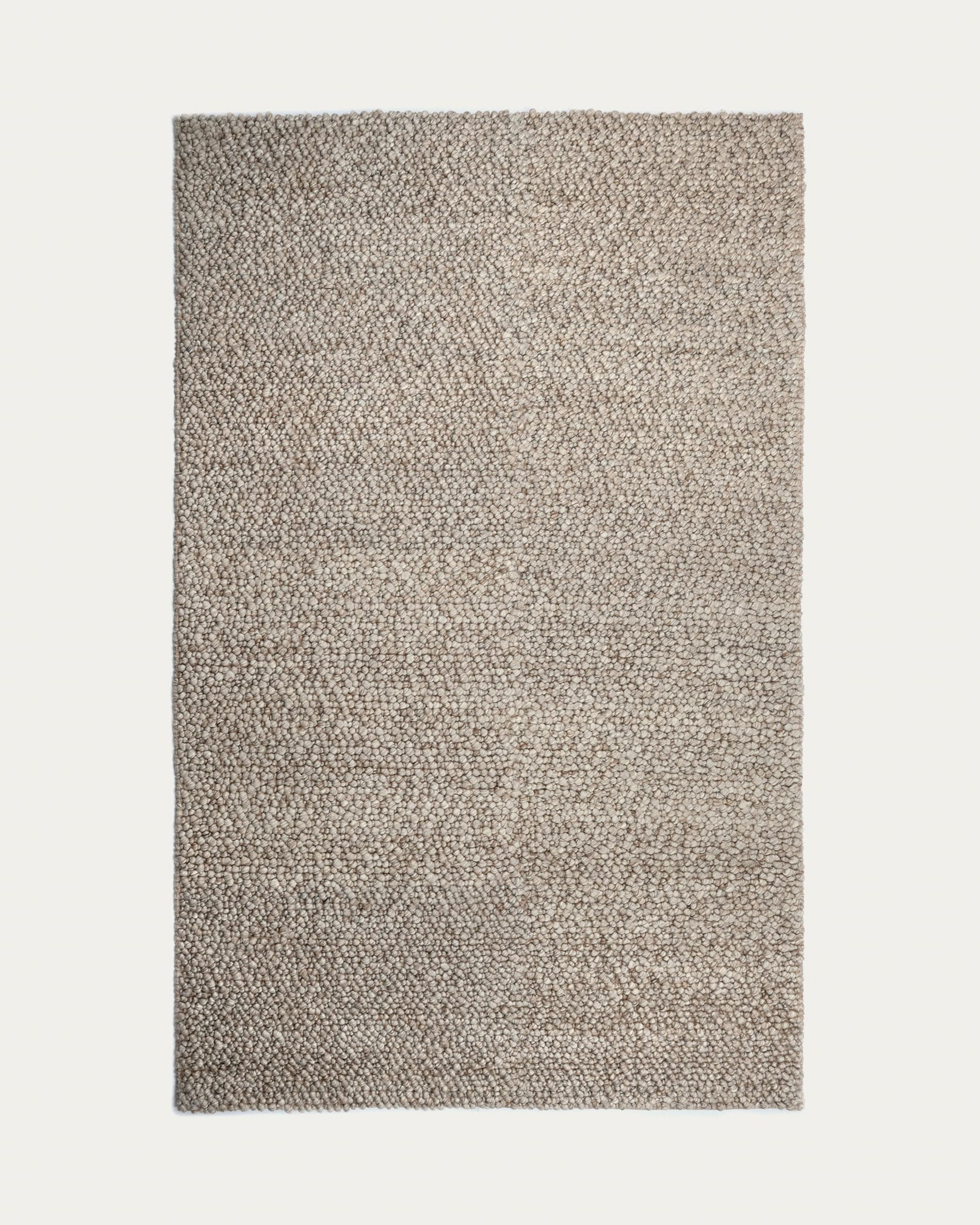
These rugs prioritize natural fibers and subdued palettes. Jute and sisal add texture, while wool offers softness underfoot. Colors like terracotta, cream, and taupe appear in specific models, but most stick to muted neutrals. Patterns lean on subtle geometric shapes or organic forms, avoiding boldness to maintain harmony. The result? Rugs that ground a room without overpowering it, aligning with both wabi-sabi’s embrace of imperfection and Scandinavian hygge’s focus on coziness.
Materials And Textures
- Jute: Adds warmth and durability.
- Wool: Brings softness and comfort.
- Cotton: Offers a breathable, lightweight option.
-
Handwoven or machine-made: Ensures versatility in texture.
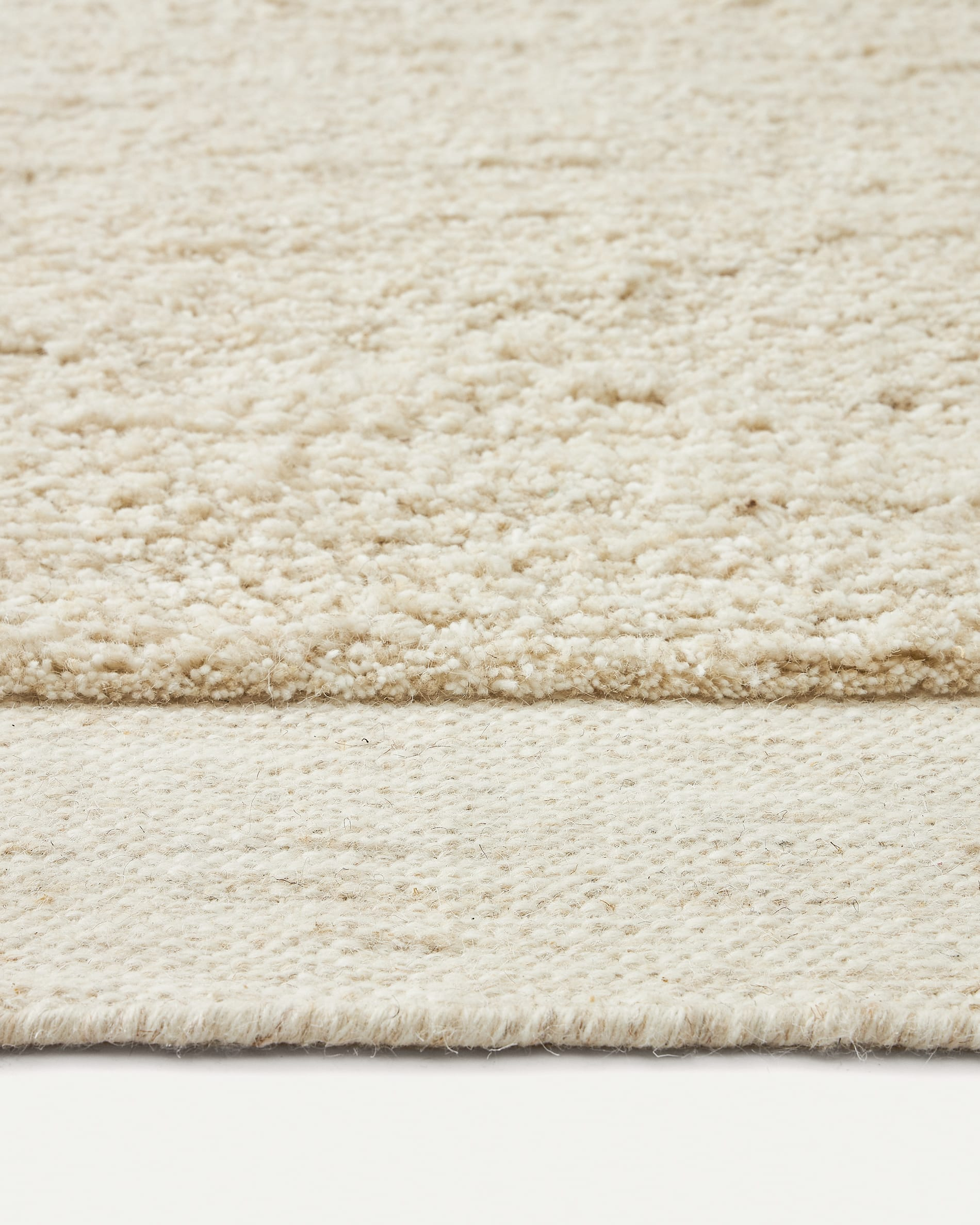
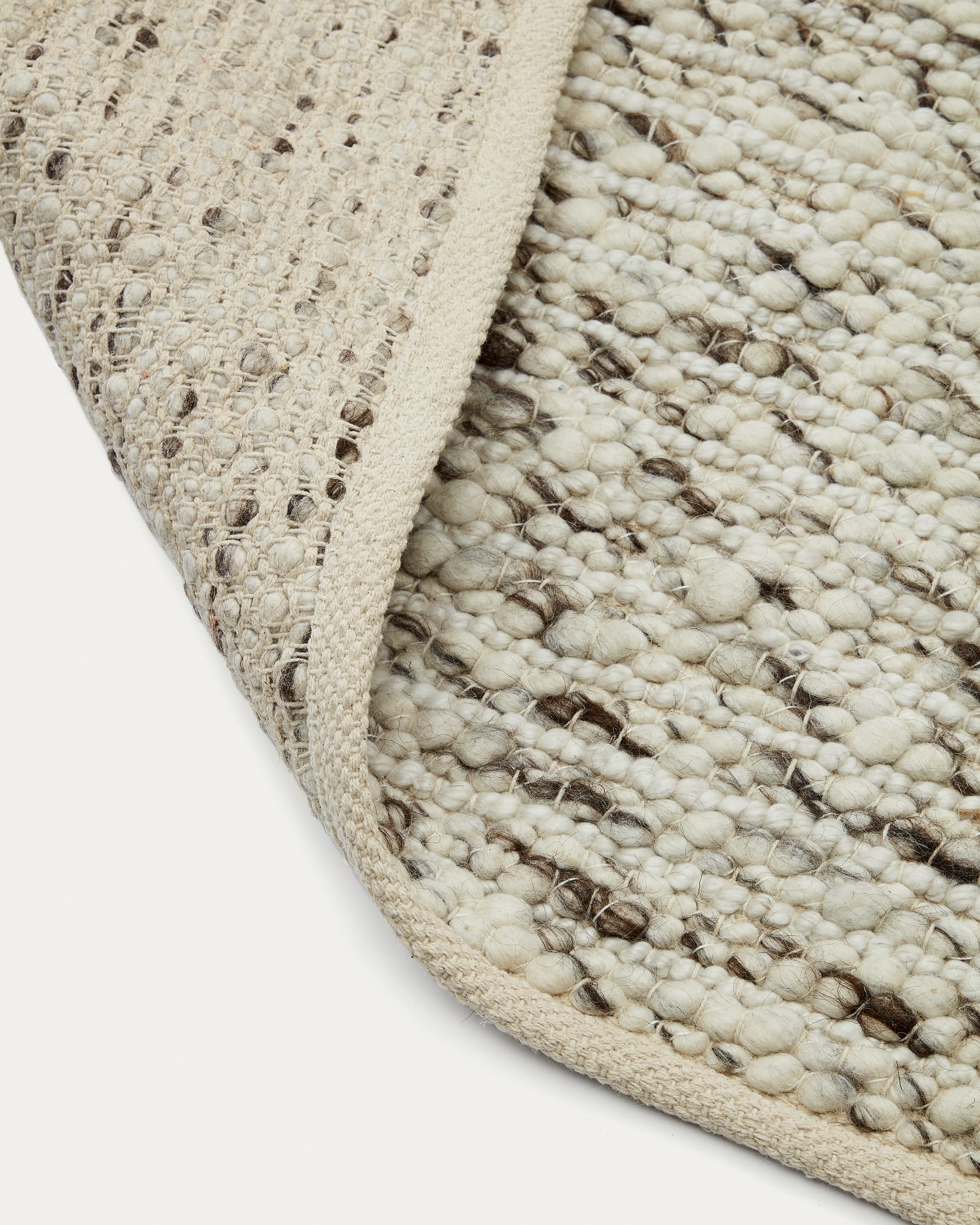
These materials create tactile richness without visual clutter, reinforcing the style’s emphasis on authenticity and sustainability.
Functional Benefits
Japandi rugs aren’t just visually pleasing—they’re built for real-life use. Over 70% of Japandi rugs are Oeko-Tex certified, ensuring safety and eco-friendliness. Many are durable, non-shedding, and compatible with underfloor heating. For families, 45% are anti-static, and some are machine-washable for easy cleaning. These features make them ideal for high-traffic areas without sacrificing style.
Color Palettes
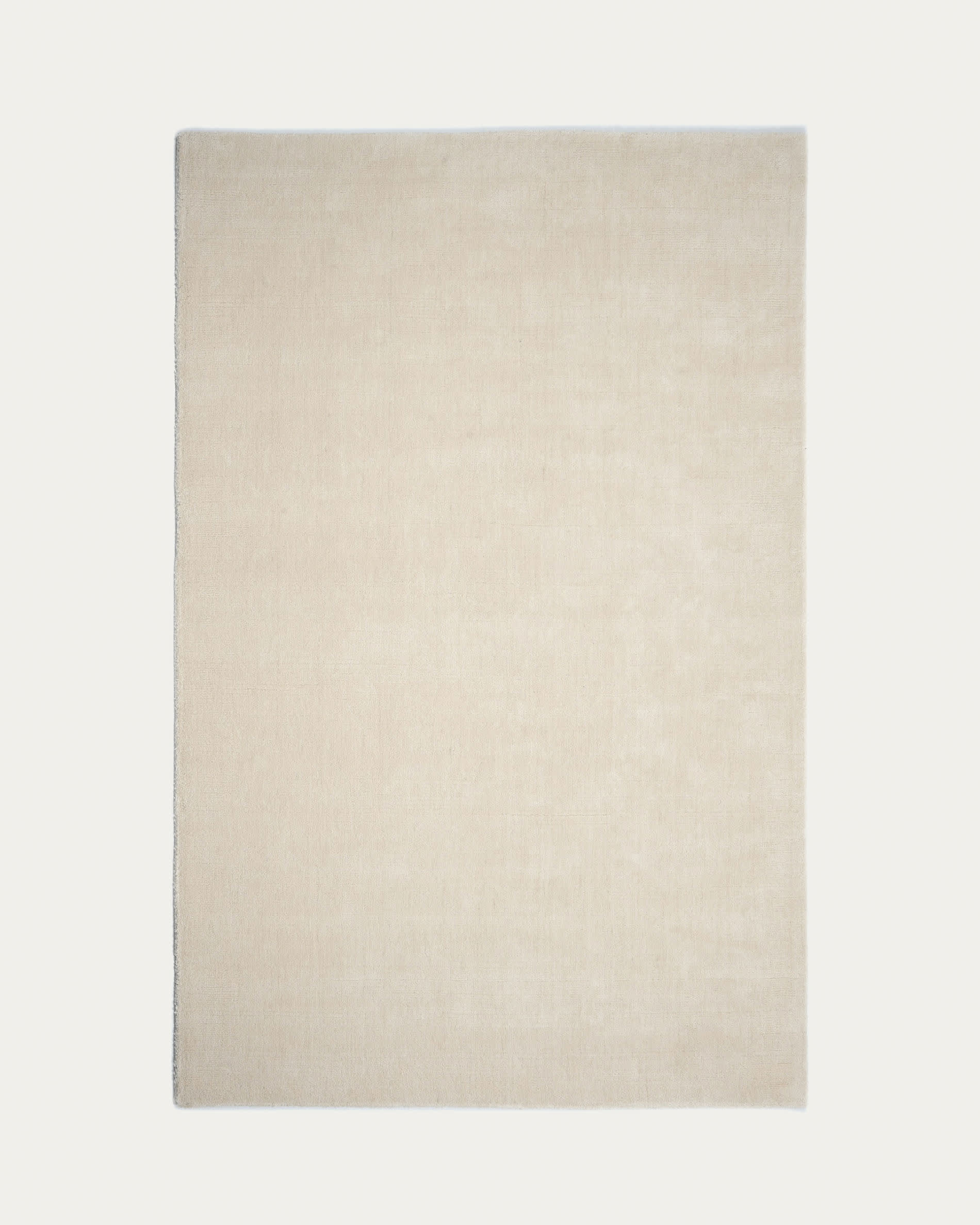
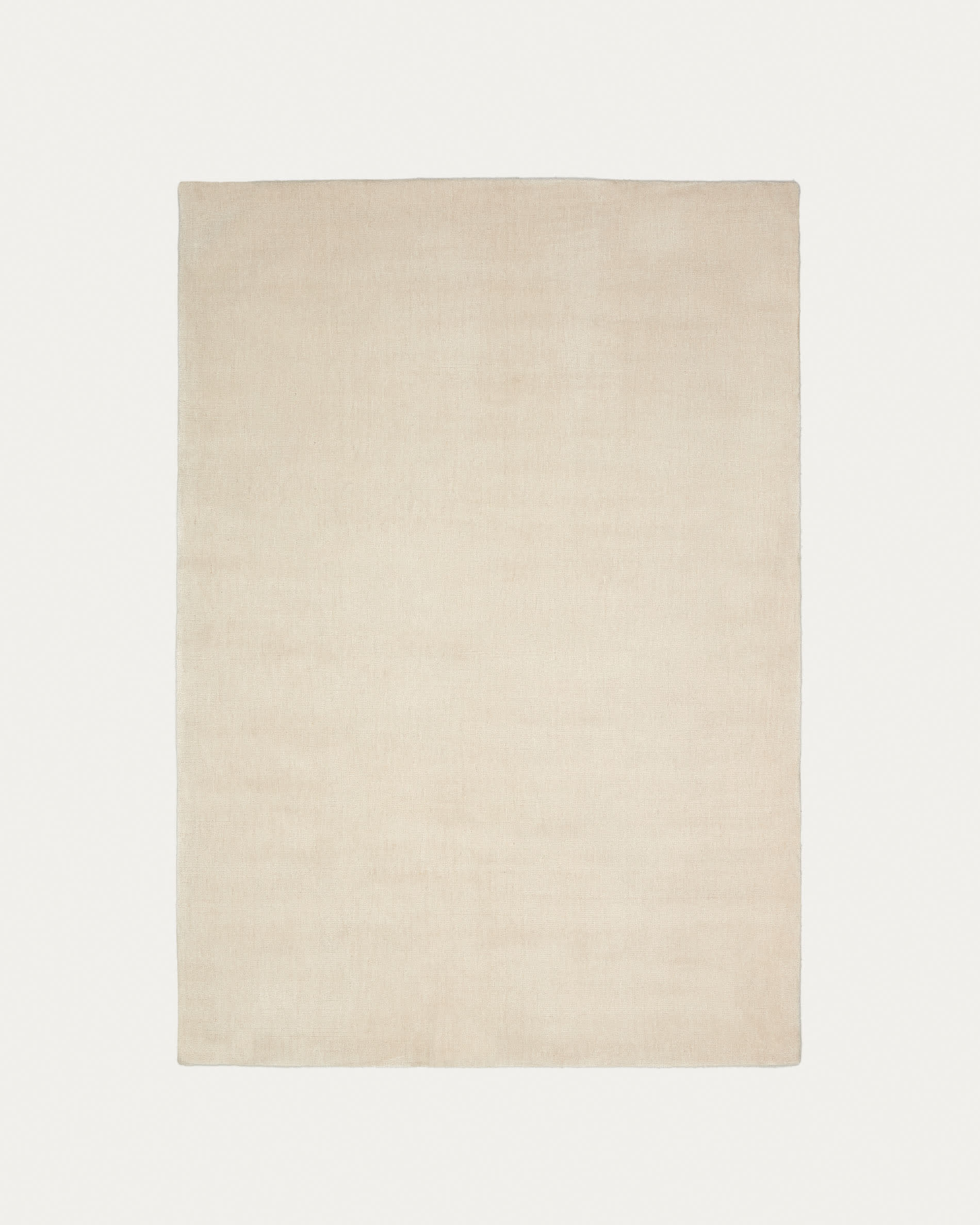
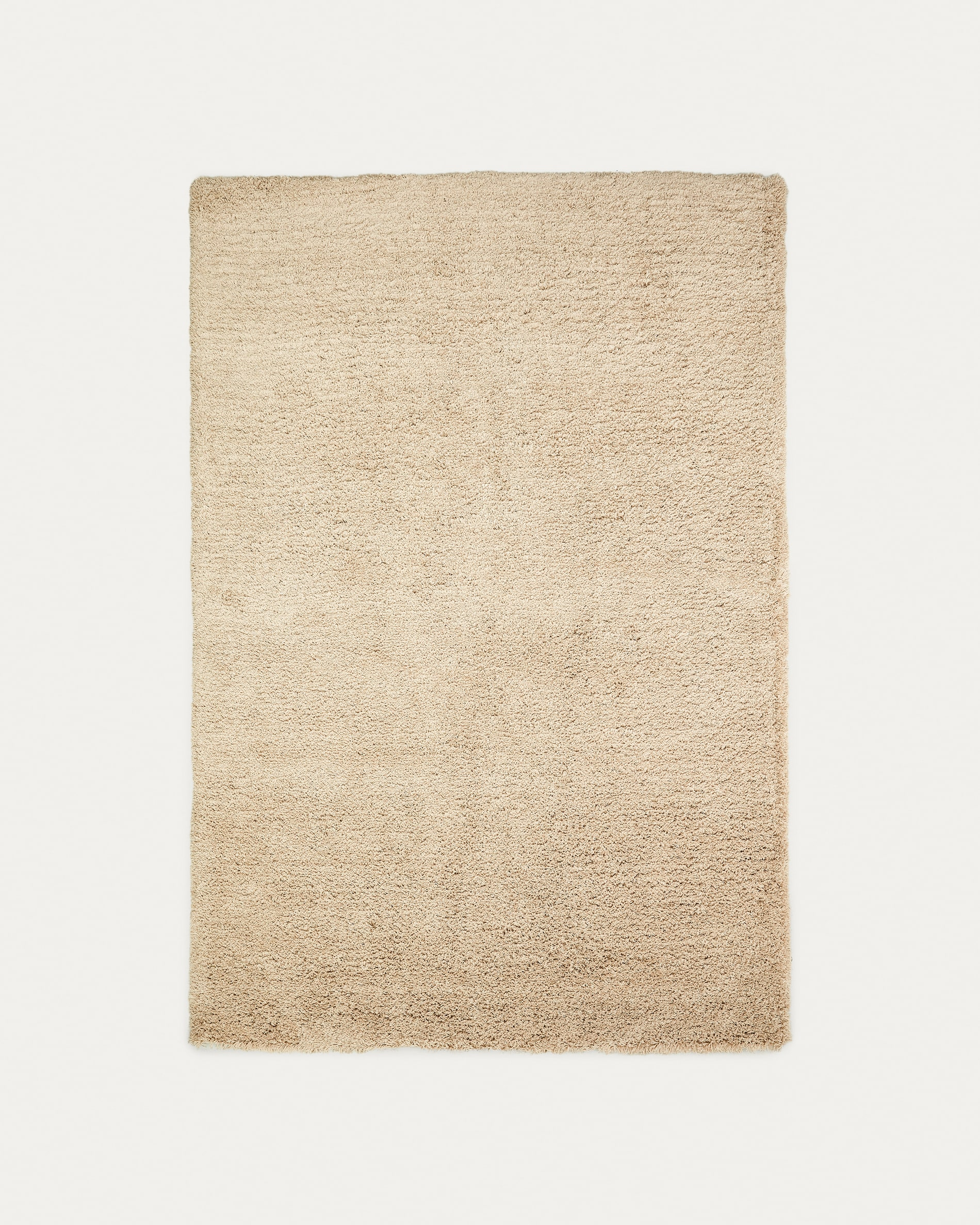
Neutral tones dominate, with whites, beiges, and greys forming the base. Accents like terracotta or rust appear in select designs, adding depth without disrupting serenity. This restrained palette mirrors nature, fostering tranquility while allowing flexibility in decor choices. Even in minimalist spaces, these rugs act as subtle anchors, tying together wood finishes and organic textures.
Practicality And Aesthetic Balance
These rugs embody the “less is more” philosophy. They avoid flashy patterns, focusing instead on clean lines and quiet elegance. Their role is to enhance harmony—whether in a living room, bedroom, or dining area—by balancing Scandinavian warmth with Japanese restraint. By prioritizing natural elements and functional design, they transform spaces into serene, clutter-free zones that feel intentional yet unpretentious.
Why Japandi Rugs Matter
More than a trend, Japandi rugs reflect a lifestyle. They merge two design philosophies that value mindfulness and comfort, offering a tactile, sustainable way to elevate interiors. With options ranging from 48.99€ to 895.95€, they cater to diverse needs while staying true to their core: creating spaces where every detail serves purpose and peace of mind.
What Are Japandi Rugs?
Imagine a design philosophy where Scandinavian hygge meets Japanese wabi-sabi—that’s the essence of Japandi. These rugs bridge two worlds: Scandinavian light-filled minimalism and Japan’s embrace of imperfection. This isn’t just décor—it’s a lifestyle prioritizing balance, where every thread reflects intentional simplicity. The fusion isn’t accidental; it’s a deliberate union of cultures valuing mindfulness through design, blending the Nordic love for hygge’s cosiness with Japan’s celebration of asymmetry and natural flaws.
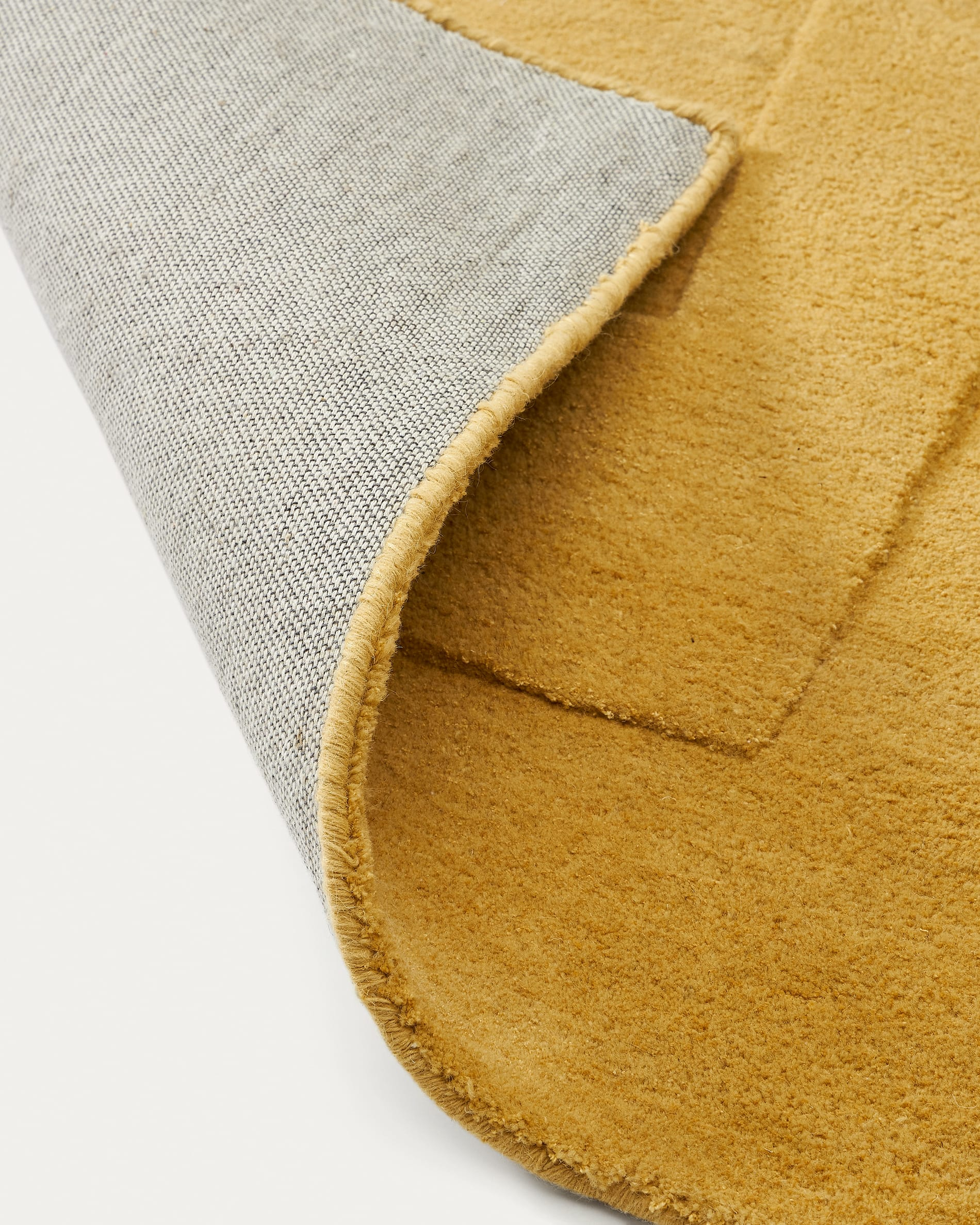
From Japan comes natural materials like jute and organic cotton; Scandinavia contributes light woods and creamy neutrals. The result? Tactile, understated designs. A taupe weave might mimic forest textures, while recycled polyester blends mimic organic feels, proving sustainability and style coexist. Certified options like OEKO-TEX® ensure safety without sacrificing aesthetics. Durability matters: “A+” quality ratings and 4mm pile heights offer plushness without visual heaviness. Flatweave or tufted? Both honor craftsmanship, whether machine-made or handwoven, with subtle variations in pile height adding depth to their minimalist appeal.
Why do these rugs matter? They anchor minimalist spaces. A low-pile wool rug softens concrete floors; a linen runner adds warmth without clutter. Their muted tones—beige sable, anthracite gray, or subtle terracotta accents—create serene backdrops. In sunlit studios, these rugs enhance spatial flow, blending Scandinavian lightness with Japanese harmony. They’re more than functional: studies suggest intentional negative space reduces stress by 30%. Missing this balance? You might overlook the quiet luxury of a space that truly breathes—a flaw 85% of minimalist enthusiasts aim to avoid. Water-resistant, anti-static properties ensure they age gracefully, embodying wabi-sabi’s beauty in imperfection. Even in high-traffic areas, they maintain their elegance, proving simplicity can be both bold and enduring.
How to choose the perfect japandi rug
Selecting the right materials and textures
Japandi rugs use natural fibers like wool, jute, and cotton for organic authenticity. Wool offers softness in intimate spaces, jute provides durability for high-traffic areas, and cotton delivers lightweight simplicity. Blends like jute-sisal or unbleached wool enhance texture while aligning with the style’s minimalist ethos. For dining rooms, cotton’s washable weaves suit practicality, while jute’s rough texture works well in entryways. Prioritize eco-friendly dyes and ethical sourcing to reflect Japandi’s focus on sustainability.
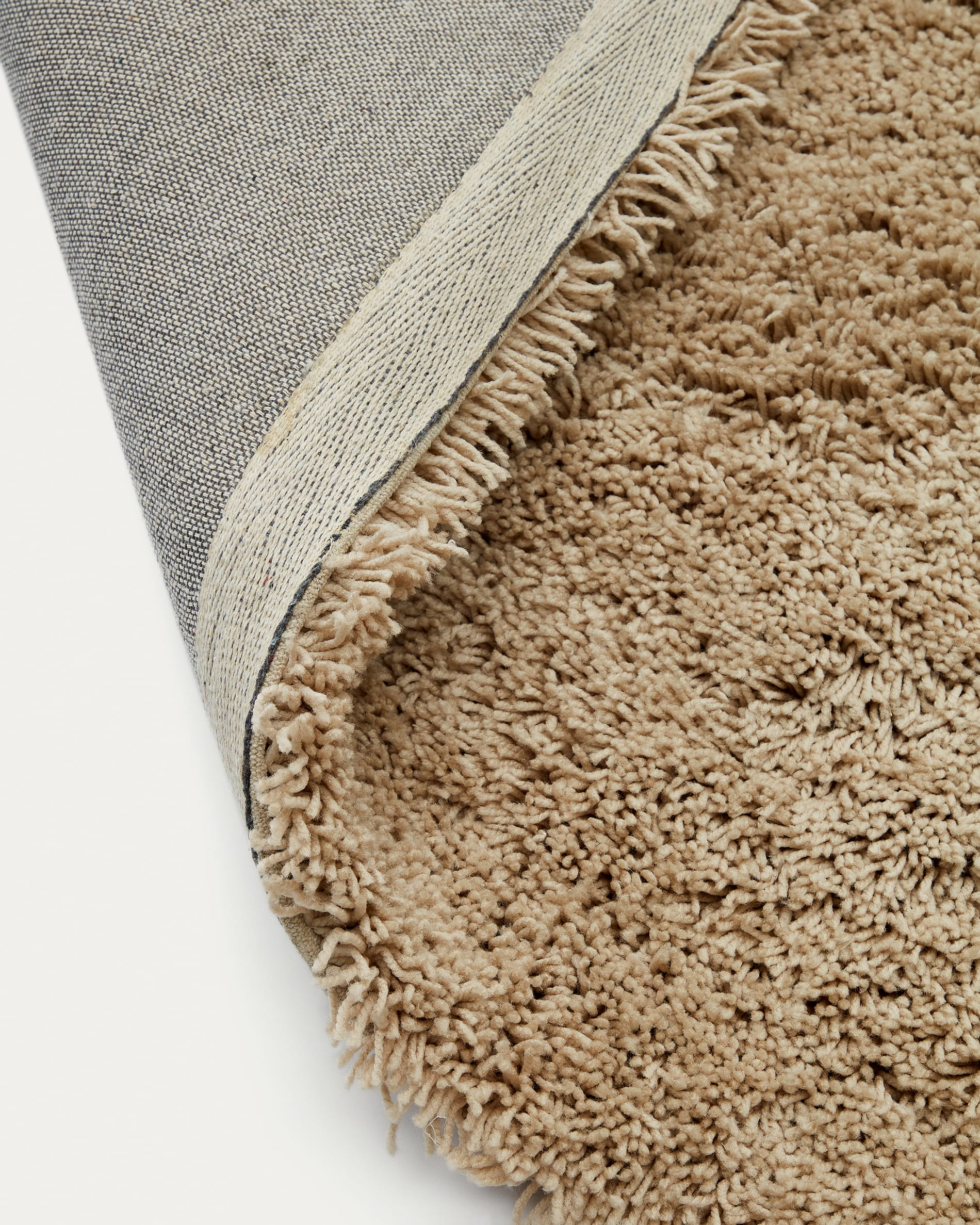
Texture drives visual depth in Japandi design. Flatweave rugs, with their low-profile construction, are ideal for high-traffic zones, lying flat under furniture. Low-pile wool creates a tactile base for living rooms. Handwoven textures, with their slight irregularities, reflect wabi-sabi’s embrace of imperfection. Pairing jute runners with wool area rugs balances organic and structured elements without visual overload. For example, a flatweave jute rug in a hallway complements a wool shaggy rug in a living room.
Embracing neutral colors and subtle patterns
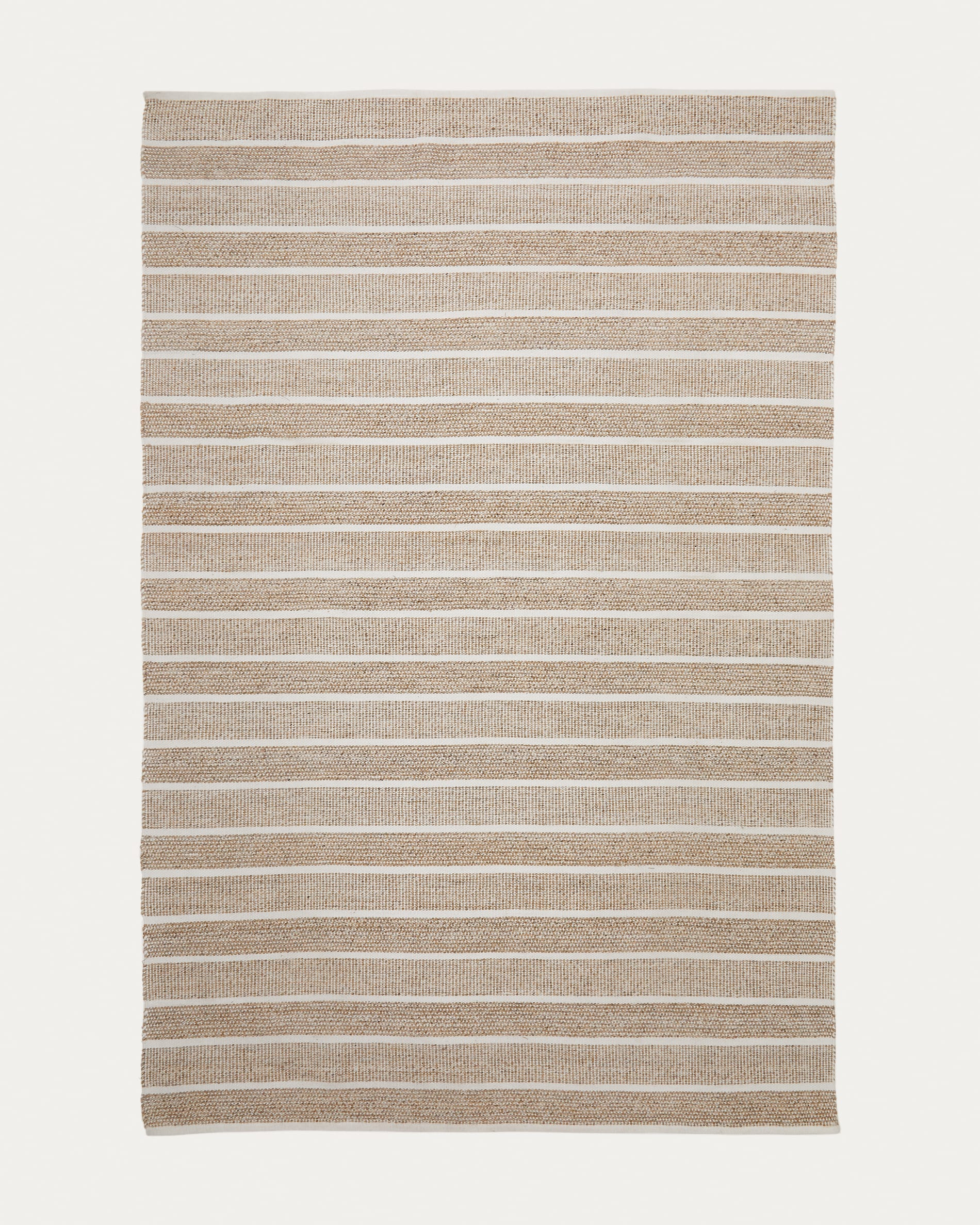
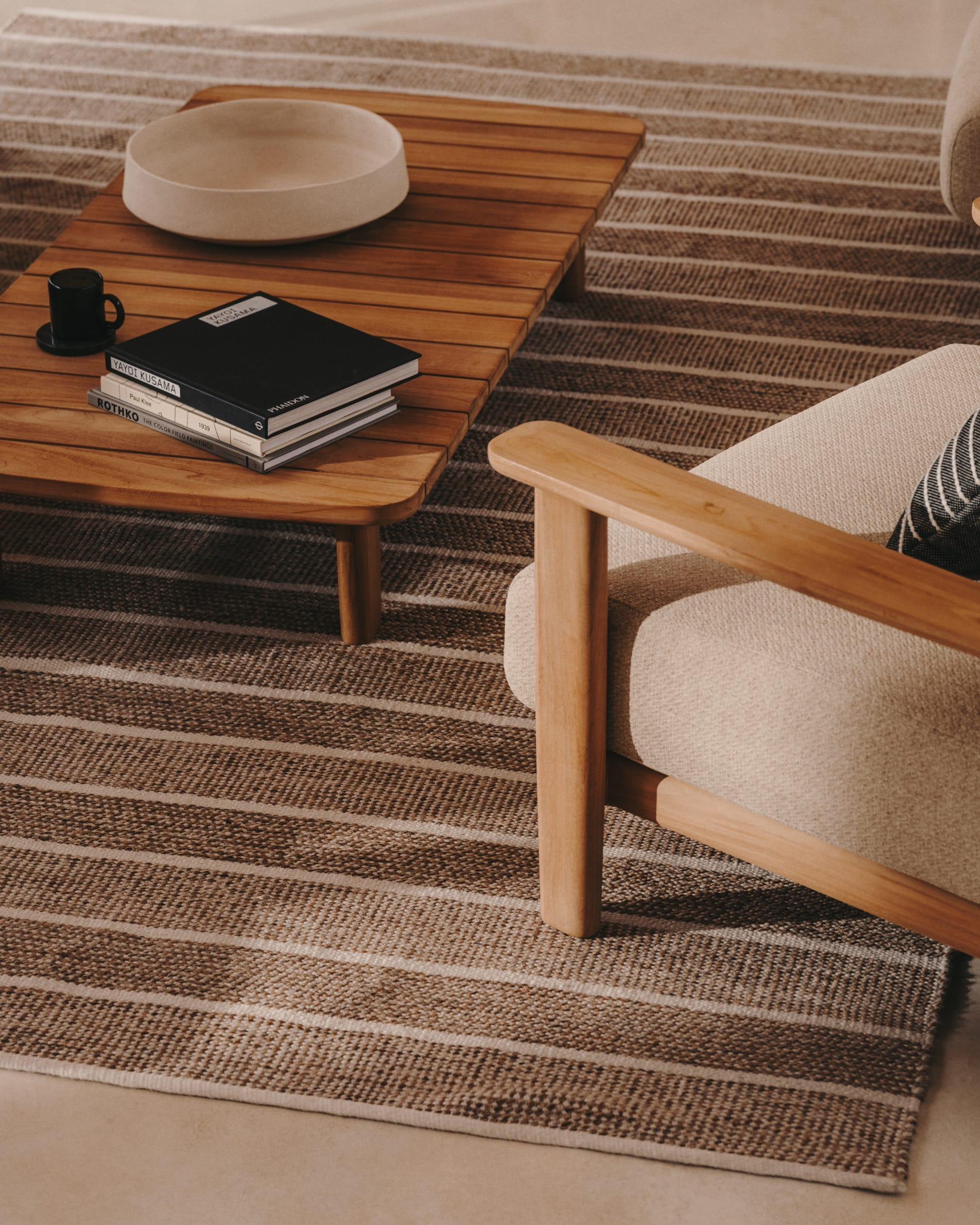
Opt for muted tones—beige, cream, soft gray—to evoke calmness. Black accents add contrast without disrupting harmony. Avoid bold patterns; choose solids or minimalist geometric designs like thin lines or abstract grids. Faded medallion motifs in monochrome shades complement the style’s serene aesthetic. Gradient effects in wool or jute weaves create dimension, such as a gray rug blending from light to charcoal tones in a home office.
Subtle textures—uneven jute weaves or wool loops—enhance depth. For example, a wool rug with a faint chevron weave in oatmeal tones pairs with light wood furniture, while undyed jute runners warm up hallways. These details merge Japanese asymmetry with Scandinavian practicality. Consider a beige runner with irregular stitching in a kitchen, blending utility with artisanal charm.
Finding the correct size and placement
In living rooms, an 8x10 ft rug anchors seating areas. Ensure front furniture legs rest on the rug, leaving a 12-18 inch floor border. For smaller spaces, a 6x9 ft rug maintains balance. Under dining tables, extend the rug 24 inches beyond chairs for seamless movement. For open-plan spaces, use a rug to define zones—like a 5x8 ft wool rug under a reading nook near a window.
Use runners in hallways or kitchens to extend the Japandi aesthetic. A 2x7 ft runner in entryways absorbs dirt while maintaining minimalism. In bedrooms, place a 5x8 ft rug partially under the bed, extending 24 inches on each side. Pair runners on both sides for comfort. Prioritize proportionality: oversized rugs for open spaces, compact ones for tighter layouts. This ensures cohesion without overcrowding the room.
The importance of materials: from natural fibers to modern innovations
Choosing the right rug material for Japandi interiors goes beyond aesthetics. It’s about balancing natural textures with practicality, reflecting the style’s core values of sustainability and functional beauty. How do traditional and modern materials achieve this harmony?
Natural fibers like wool and jute anchor Japandi rugs in tradition. Wool offers softness and longevity, resisting stains naturally while retaining warmth. Its premium price reflects its heirloom quality, making it ideal for living rooms or bedrooms where comfort matters. Jute brings earthy texture and affordability, though its sensitivity to moisture requires careful placement in dry, high-traffic zones like hallways.
Modern innovations introduce washable rugs made from synthetic blends or treated cotton. These materials prioritize Scandinavian practicality, with machine-washable convenience for homes with pets or children. Synthetics mimic natural fibers’ look while offering stain resistance and easy maintenance, aligning with Japandi’s focus on serene, low-effort spaces.
| Material |
Feel & Texture |
Durability & Maintenance |
Best For... |
| Wool |
Soft, plush, luxurious |
High durability, naturally stain-resistant, professional cleaning recommended |
Living rooms and bedrooms for warmth |
| Jute/Sisal |
Firm, natural, textured |
Very durable, eco-friendly, spot clean only, moisture-sensitive |
High-traffic areas like hallways |
| Cotton |
Soft, lightweight, flatweave |
Moderate durability, machine-washable but wears faster |
Kitchens or low-traffic areas |
| Washable Synthetics (e.g., Polyester/Polypropylene) |
Mimic natural fibers, low-pile |
High durability, stain-resistant, easy to clean |
High-traffic zones, homes with kids |
Wool’s longevity demands annual rotation to prevent uneven wear, while jute’s rigidity requires dry environments. Cotton’s machine-washable trait suits minimalist kitchens but sacrifices durability. Meanwhile, synthetic rugs solve practical challenges without compromising Japandi’s neutral palette—proving that modern life can coexist with timeless design principles.
These material choices reflect Japandi’s philosophy: honoring nature through renewable fibers while embracing innovation for real-world living. The result? Spaces that feel both tranquil and resilient, where every rug tells a story of intentional design. Can your home afford to overlook this balance?
Styling Your Japandi Rug in Different Rooms
Japandi rugs harmonize Japanese minimalism with Scandinavian practicality, creating serene spaces through neutral tones, natural materials, and intentional design. These pieces prioritize texture over bold patterns, blending calm aesthetics with everyday usability. Here’s how to maximize their impact across key areas of your home:
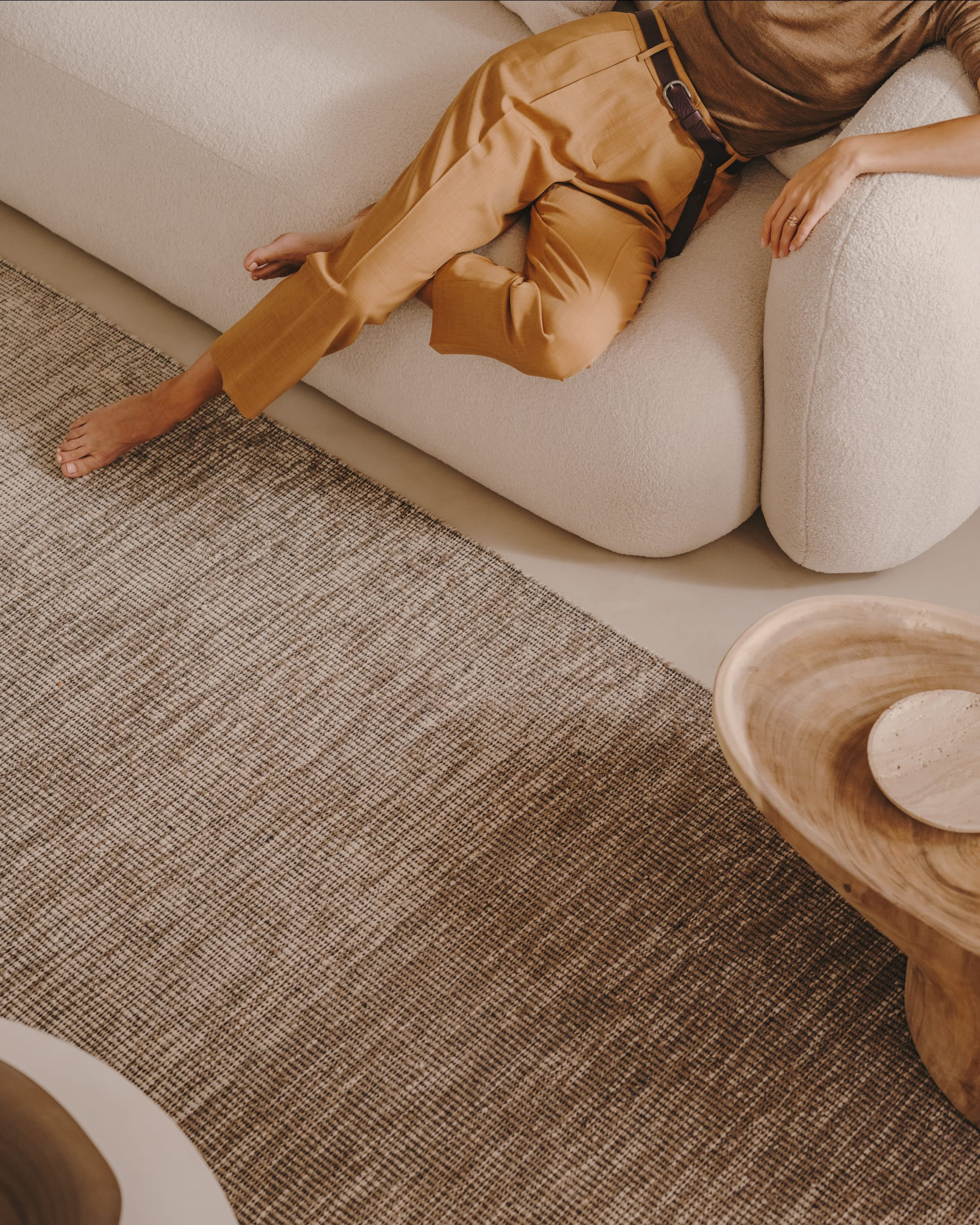
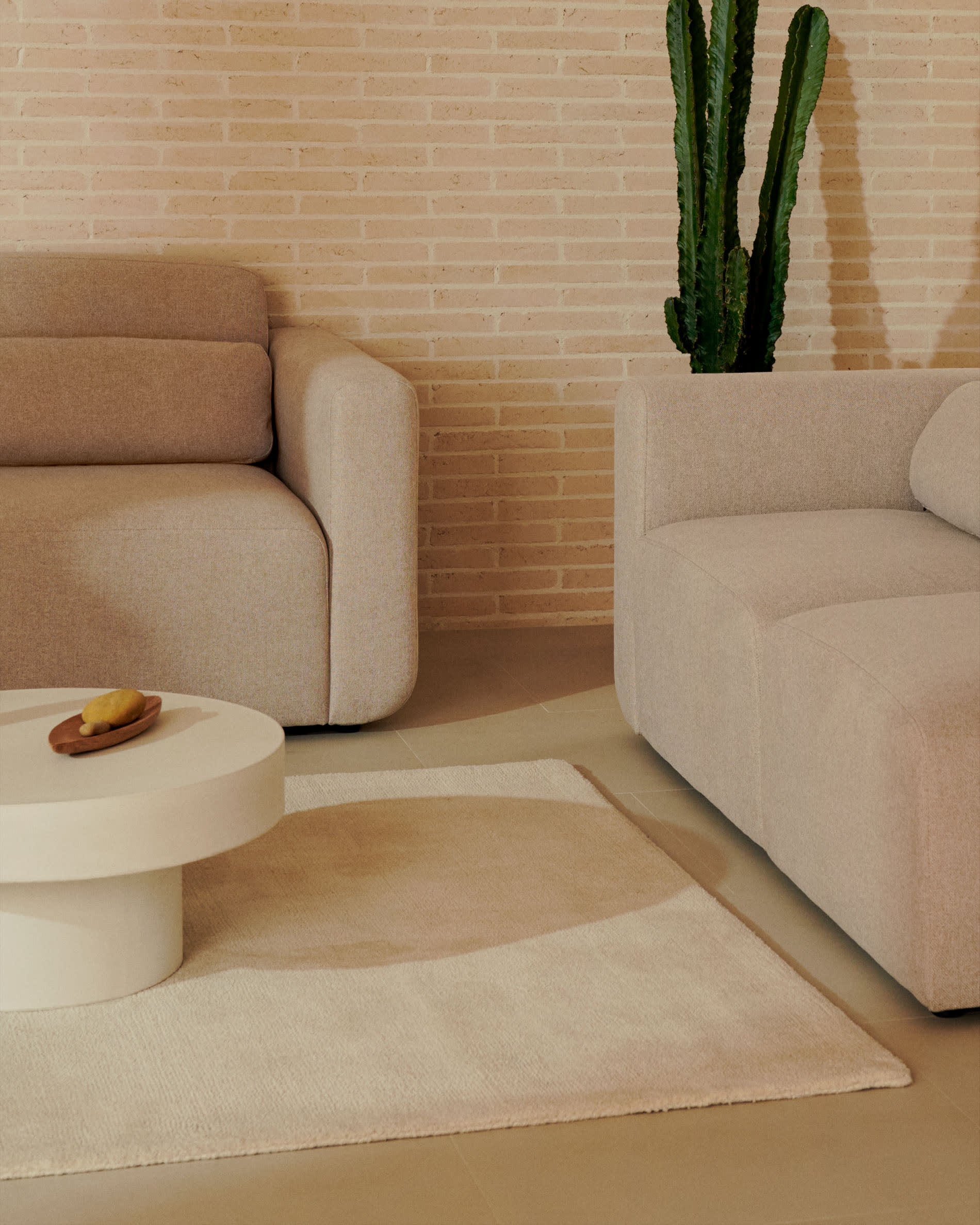
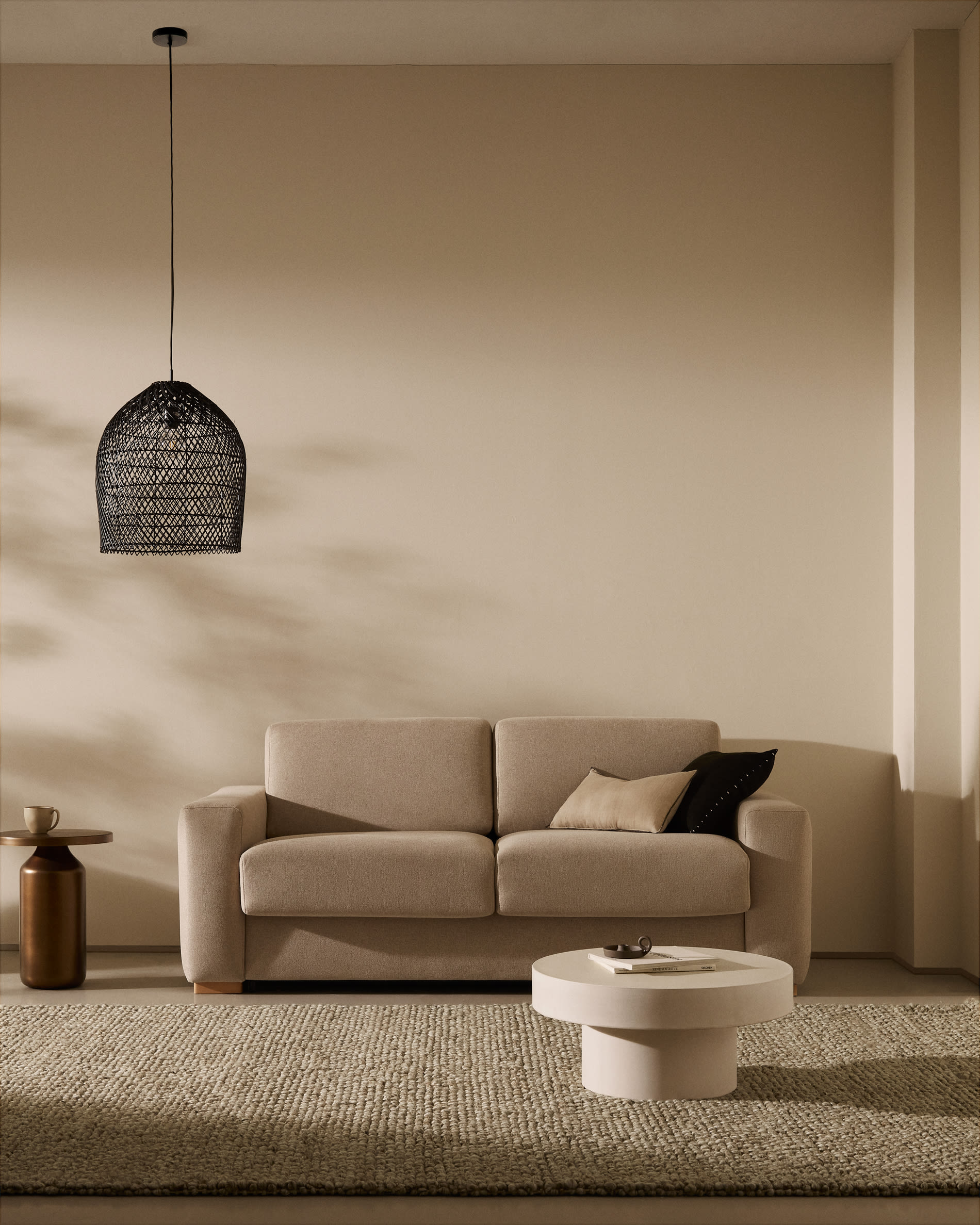
- In the living room: Choose a large, low-pile wool or jute rug to anchor seating areas. Pair with minimalist furniture, a wooden coffee table, and sparse greenery. Position the rug to subtly align with sofa legs, avoiding busy designs to maintain Japandi’s calm, functional ethos. Opt for organic shapes or handwoven textures that echo Scandinavian craftsmanship while aligning with Japanese appreciation for imperfection.
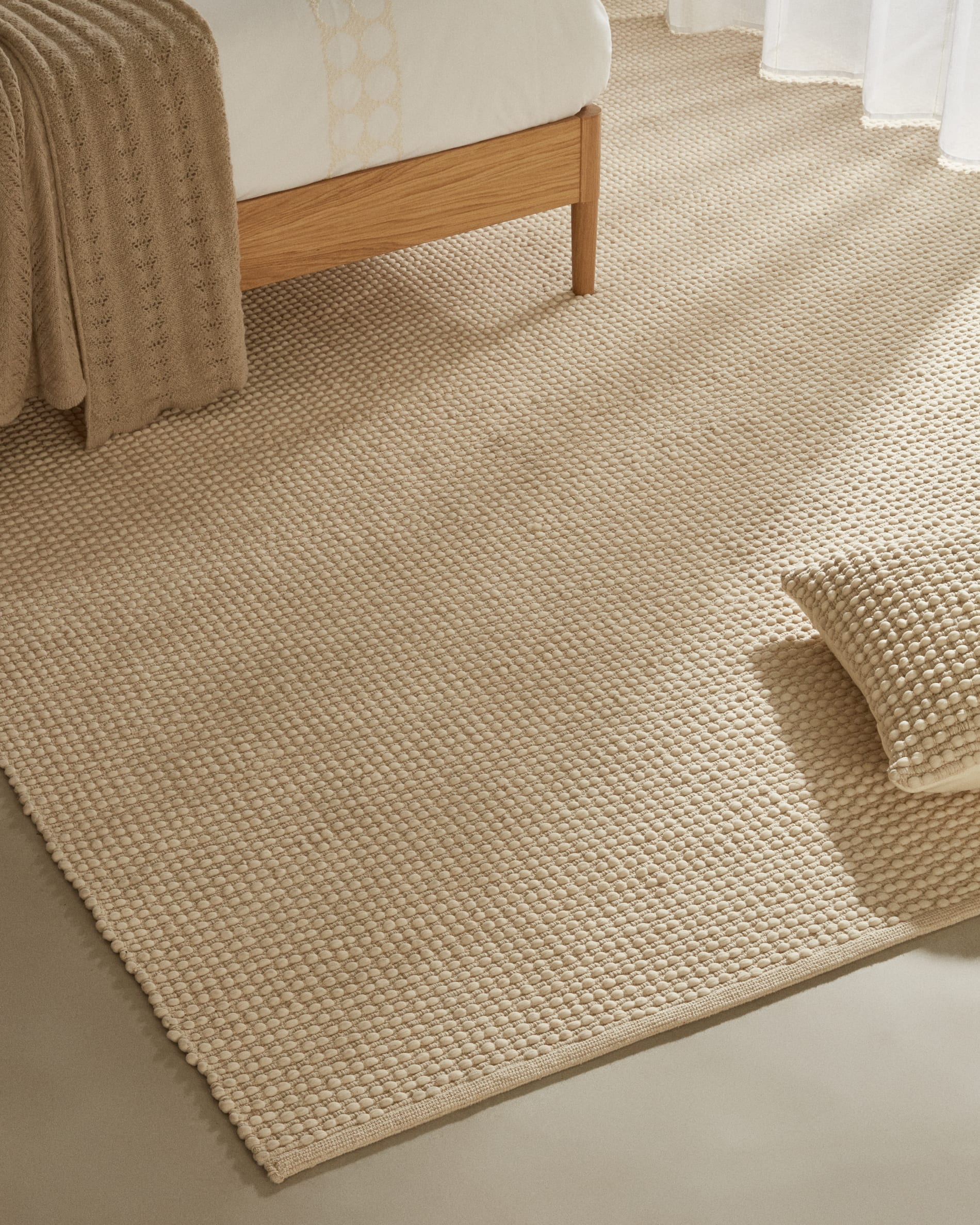
- In the bedroom: Opt for soft wool or cotton in cream or light grey. Ensure the rug extends beyond the bed and nightstands for fluidity. Layer a small flatweave rug at the bed’s foot for subtle texture, complementing wooden frames and linen bedding for a tranquil retreat. Materials like hand-tufted wool add warmth without visual clutter, aligning with the Japandi focus on tactile simplicity.
-
In the home office: Use a muted flatweave rug with a linear pattern to define the workspace. Pair with a sleek desk and ergonomic chair. Materials like jute or cotton echo Scandinavian durability and Japanese purposeful design, balancing focus and simplicity. Neutral tones like oatmeal or charcoal reinforce the style’s emphasis on understated sophistication, ensuring the space feels organized yet inviting.
Japandi rugs unify spaces through natural textures (wool, jute), neutral hues, and thoughtful placement. They transform rooms into cohesive, functional sanctuaries by prioritizing calm elegance over visual excess. By integrating handcrafted materials and minimalist forms, these rugs prove minimalism can feel both warm and intentional, offering a timeless solution for modern living.
Key Characteristics Of An Authentic Japandi Rug
An authentic Japandi rug blends Japanese minimalism with Scandinavian functionality, merging simplicity and warmth through five essential traits. These rugs reflect shared values of durability, natural beauty, and intentional design, creating serene yet practical spaces.
- Neutral color palette: Earthy tones like beige, ivory, and taupe mimic natural elements—weathered stone, forest shadows—to foster tranquility. These hues avoid stark contrasts, creating cohesive, soothing spaces inspired by Nordic landscapes and Zen gardens.
- Natural and sustainable materials: Organic fibers like wool, jute, and cotton highlight eco-conscious values. Wool offers softness, while jute adds rustic texture. These materials age gracefully, aligning with Japandi’s respect for nature through renewable, durable resources.
- Minimalist and subtle patterns: Designs favor solids or abstract forms inspired by natural textures—ripples, wind-swept dunes—with soft geometric lines. Imperfections in handwoven rugs, like irregularities in abstract patterns, reflect the "wabi-sabi" principle, celebrating beauty in intentional flaws.
- Emphasis on texture: Textural contrasts prevent minimalist spaces from feeling sterile. Chunky wool weaves add coziness, while flatweave jute offers tactile interest. This layering balances smooth Scandinavian wood floors with organic roughness, enriching visual and physical depth.
- Functionality and simplicity: Practicality defines Japandi rugs. Easy-to-maintain wool styles embody Scandinavian "hygge," merging comfort and utility. Timeless designs endure daily use, ensuring aesthetic and functional longevity without compromising elegance.
FAQ
What defines a Japandi rug?
A Japandi rug blends Japanese minimalism with Scandinavian hygge, creating serene, functional spaces. It emphasizes natural materials like wool, jute, and cotton, neutral earthy tones, and subtle textures or geometric patterns. These rugs anchor rooms in calmness while balancing simplicity with warmth, reflecting the "less is more" philosophy of intentional, uncluttered living.
How do I choose Japandi rug materials and colors?
Opt for natural fibers like soft wool (durable and stain-resistant), textured jute (eco-friendly but moisture-sensitive), or lightweight cotton (ideal for low-traffic areas). Neutral palettes dominate—think beige, cream, sage, or light grey—punctuated subtly with black or muted tones. Prioritize tactile depth through flatweave, low-pile, or ribbed textures over bold patterns.
Can Japandi rugs work in modern, high-traffic homes?
Absolutely. Modern innovations like washable synthetic rugs mimic natural textures while offering easy cleaning, perfect for busy households. For durability, choose jute blends for hallways or cotton runners. These options maintain Japandi aesthetics while meeting practical needs, aligning with Scandinavian functionality and Japanese adaptability.
Are Japandi rugs sustainable and ethical?
Yes. Authentic Japandi rugs often use renewable materials like undyed wool, organic cotton, or biodegradable jute. Many are handcrafted, supporting artisan traditions and reducing industrial waste. Look for certifications or handmade details to ensure eco-conscious sourcing, reflecting the style’s respect for nature and wabi-sabi’s celebration of imperfection.
How do I style a Japandi rug in small spaces?
Use light-toned, low-pile rugs to visually expand compact areas. In studios, define zones by layering a jute runner over a larger neutral base rug. Pair with streamlined furniture and add greenery for balance. Avoid oversized patterns; instead, use texture contrasts—like a chunky wool throw on a smooth linen sofa—to maintain openness without visual clutter.