The Essence Of Japandi Beds
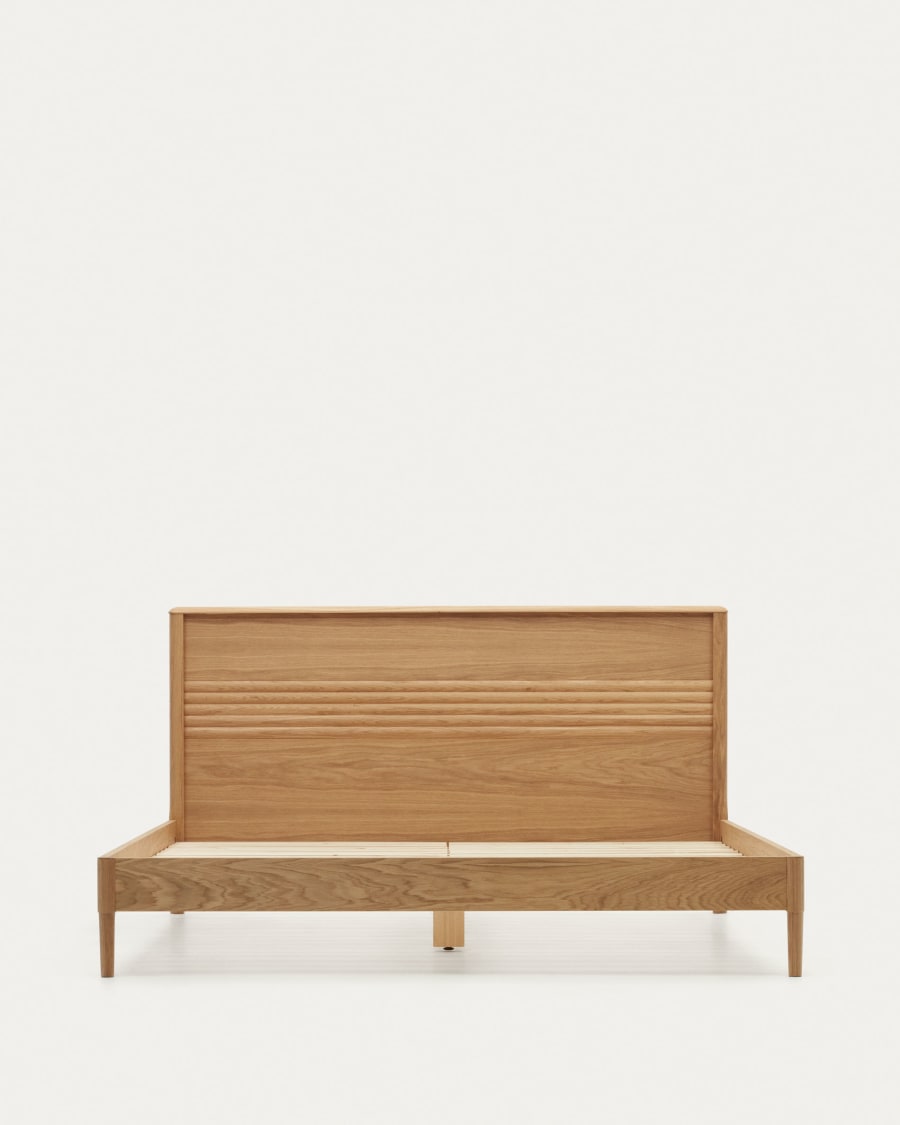
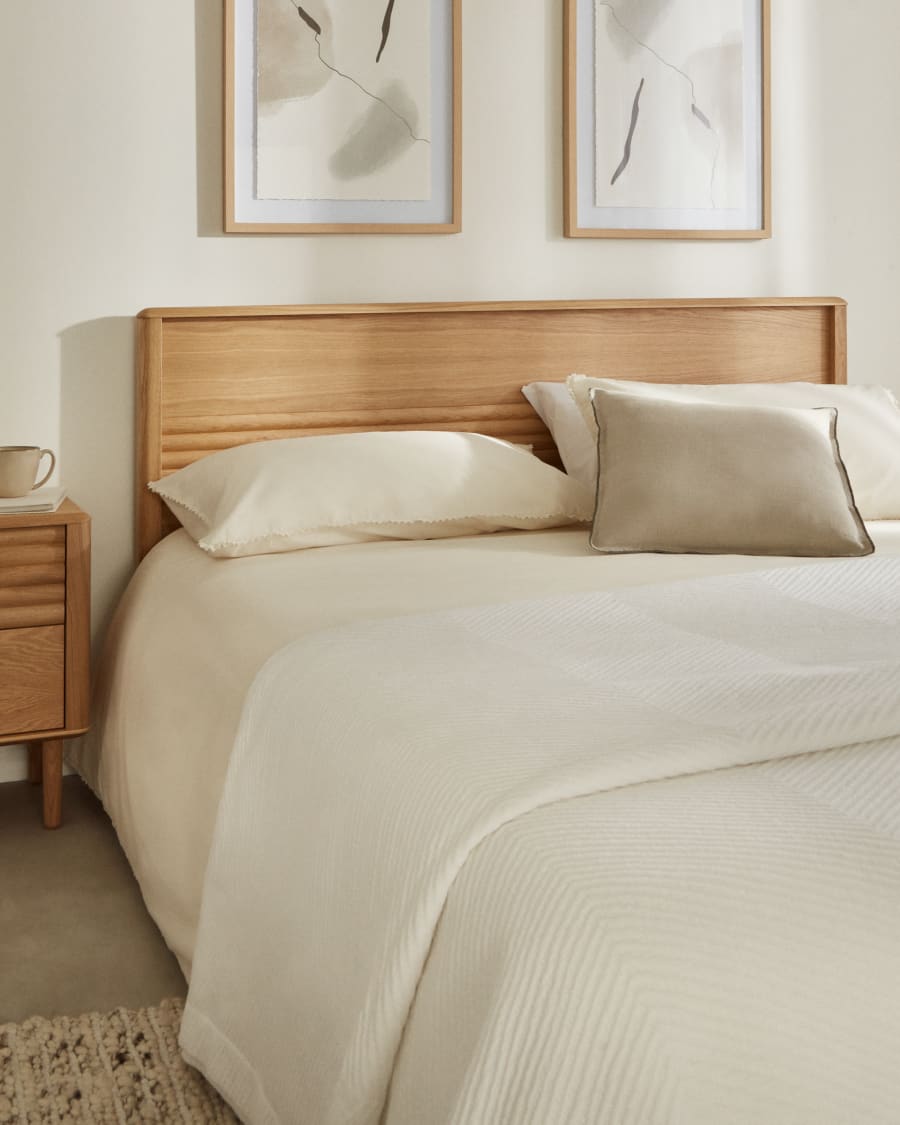
Japandi beds embody a design philosophy where Japanese minimalism meets Scandinavian practicality. These pieces prioritize clean lines, natural materials like light wood and cotton, and a soothing color palette. The result? A bedroom focal point that balances simplicity with functionality.
Harmony In Material Selection
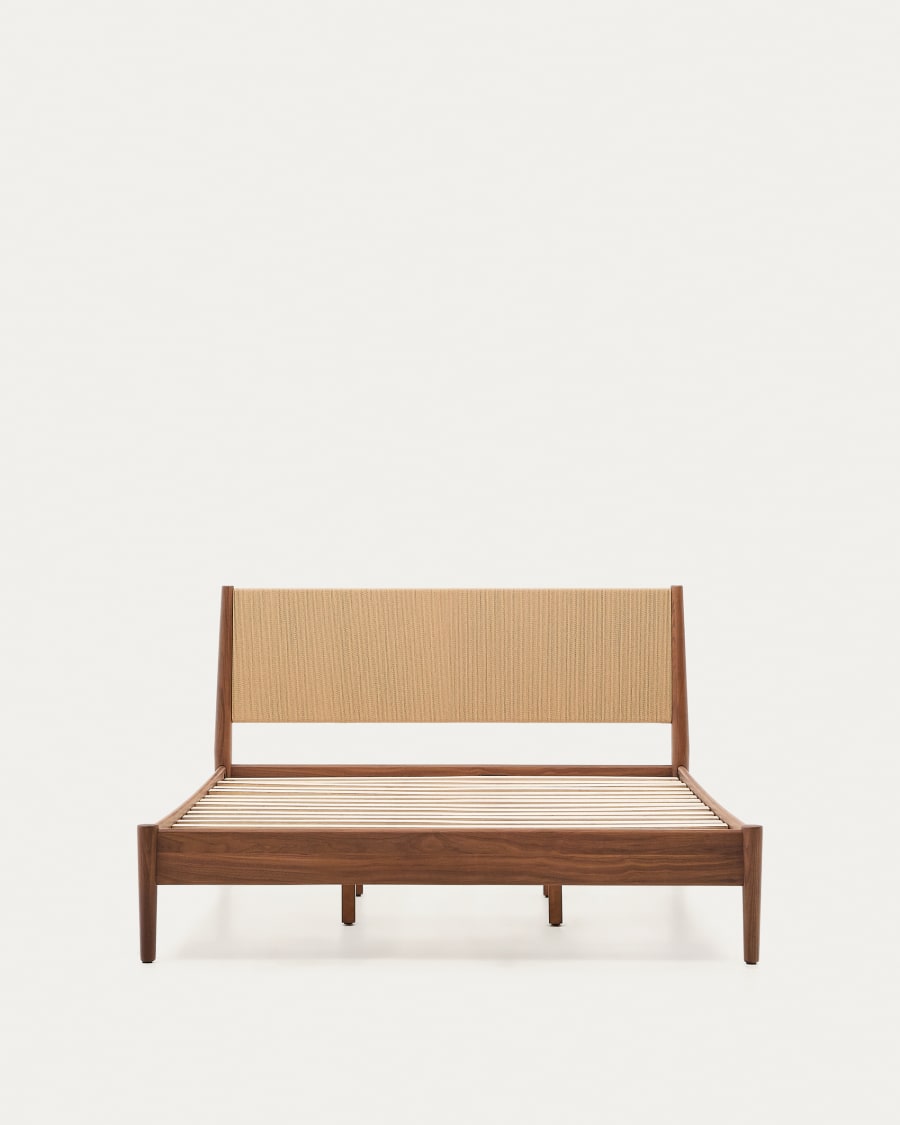
Organic elements define Japandi bed construction. Light wood frames, often in oak or birch, create warmth while maintaining visual lightness. Cotton linens and wool blankets add texture without clutter. Bamboo accents or rattan headboards occasionally appear, nodding to Japanese craftsmanship while aligning with Scandinavian hygge.
Color Psychology In Practice
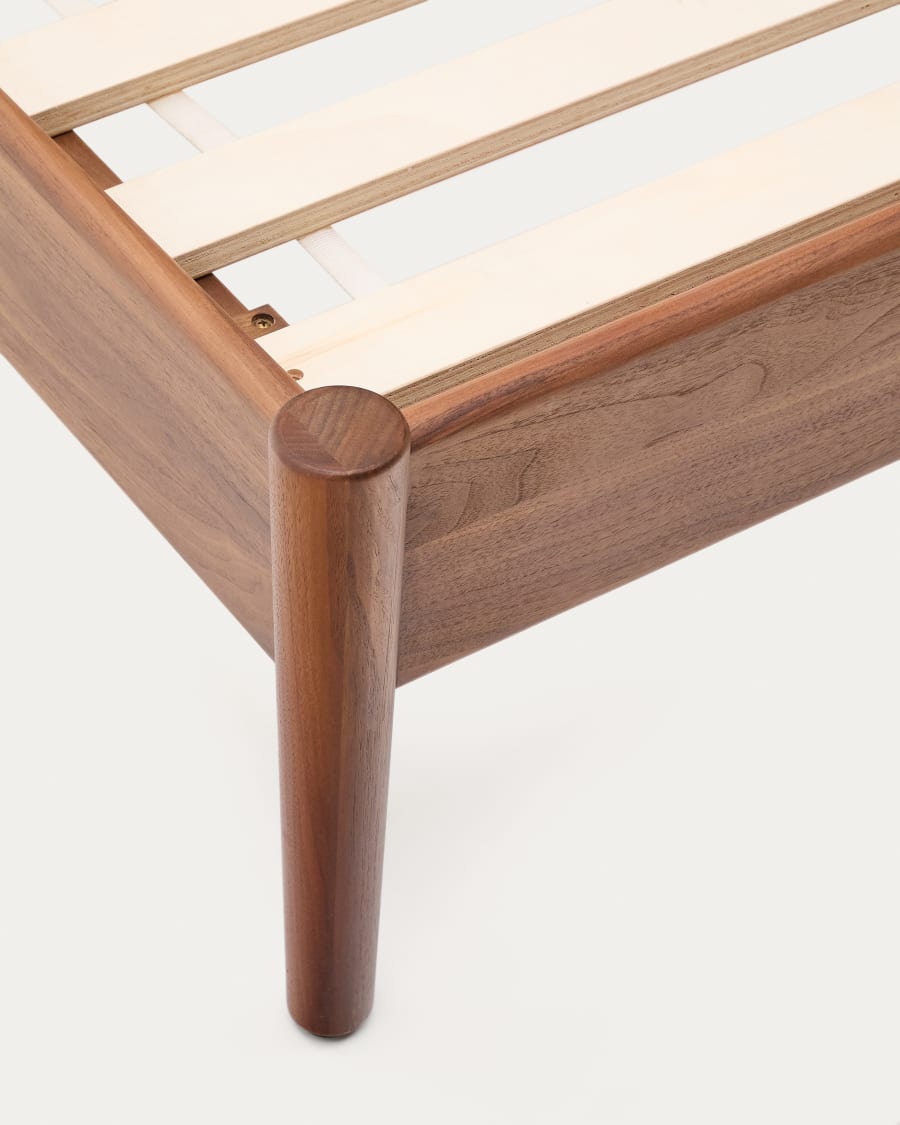
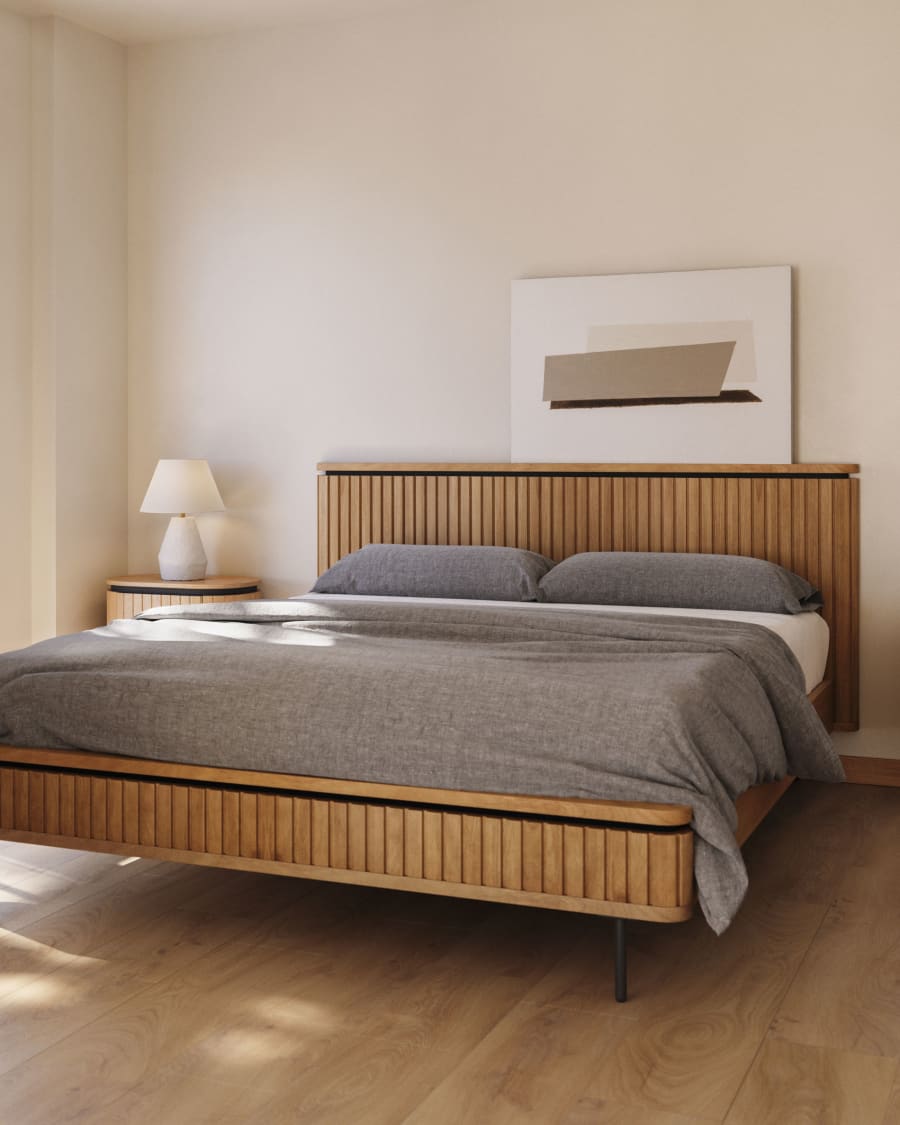
Neutral tones dominate Japandi aesthetics. Cream, soft gray, and warm beige walls allow wooden bed frames to shine. Darker accents like charcoal throws or walnut bed bases add depth without overwhelming the space. This palette reduces visual noise, creating mental calm for urban dwellers.
Form Meets Functionality
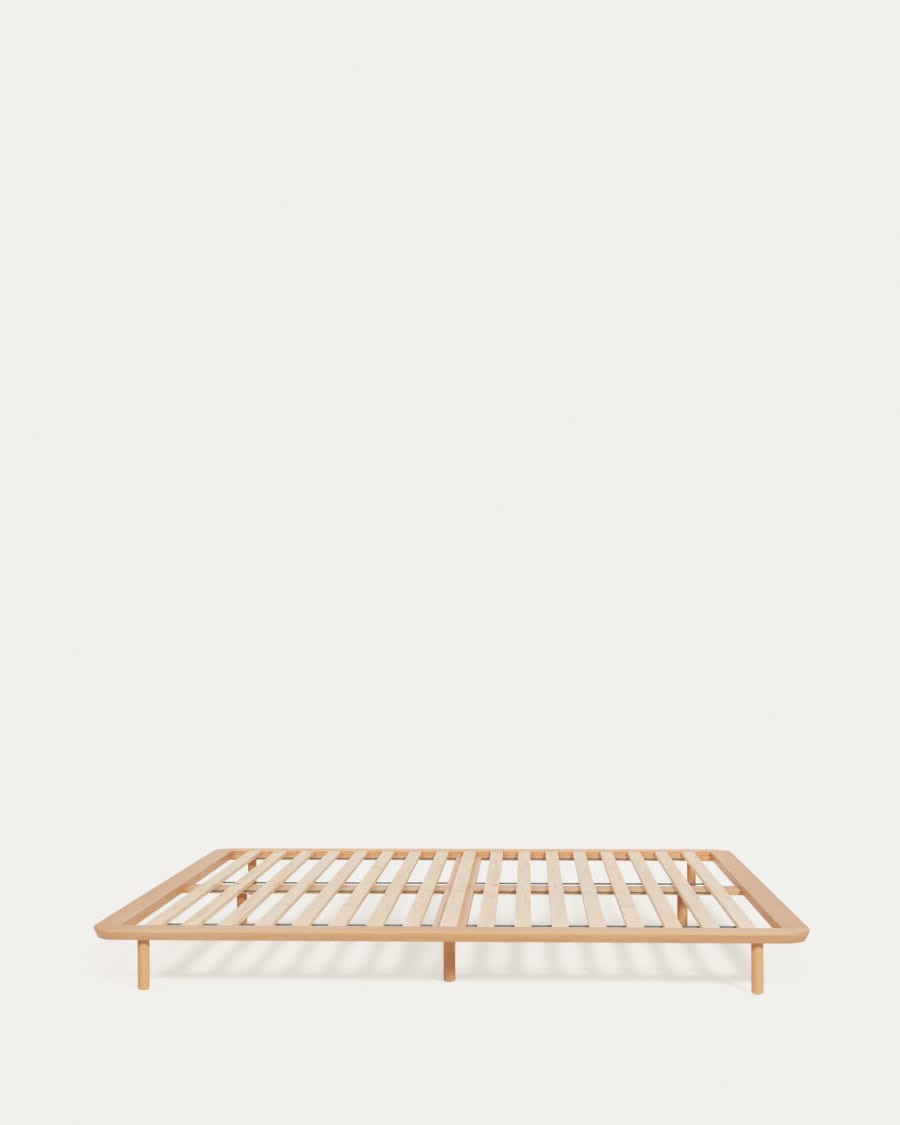
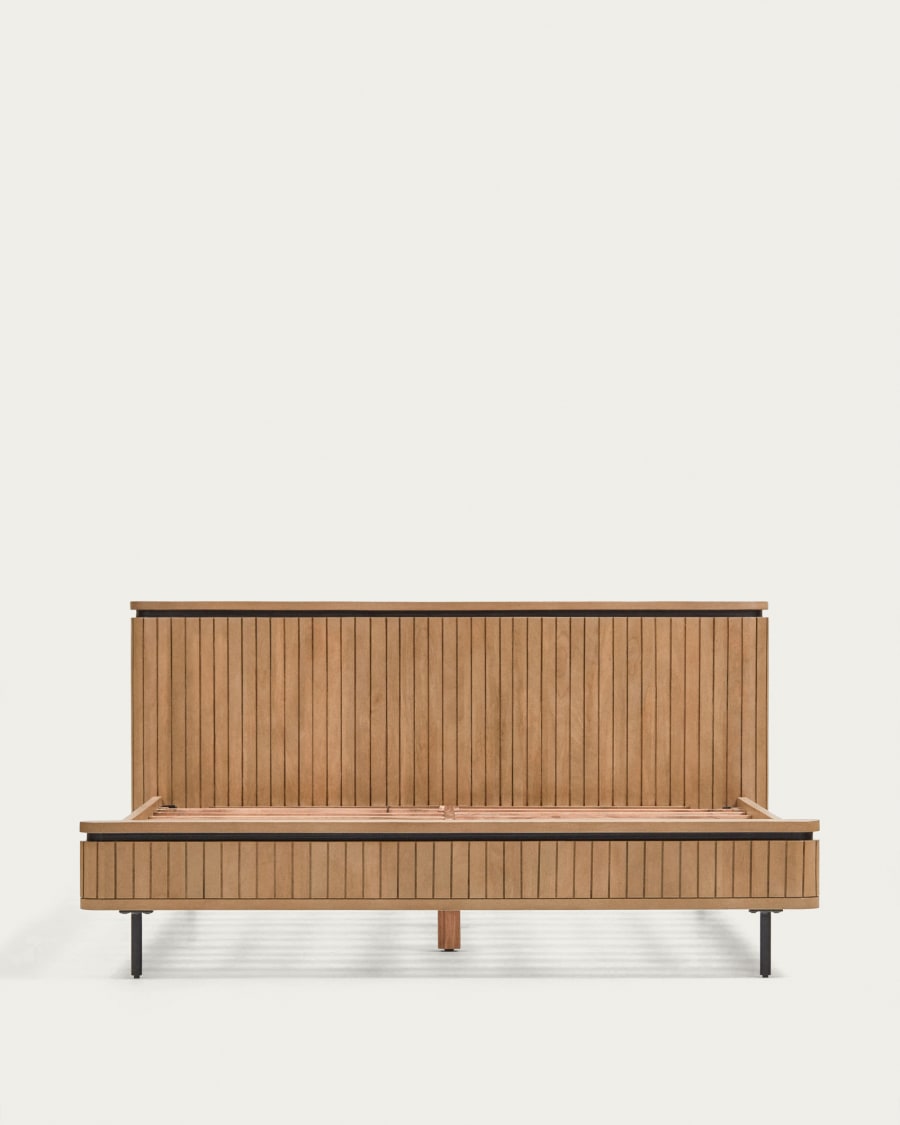
Scandinavian practicality shines through hidden storage solutions. Some beds feature low-profile platforms with under-bed drawers, while others incorporate adjustable slatted bases. Japanese influence appears in the absence of ornate carvings, focusing instead on structural integrity and quiet elegance.
What is a Japandi Bed?
The Japandi bed merges Japanese minimalism with Scandinavian hygge, creating serene spaces for modern life. This style combines Japan’s wabi-sabi—embracing simplicity and natural imperfection—with Nordic practicality, prioritizing calm and functionality. Why does this fusion thrive? It addresses the universal need for environments that feel peaceful yet purposeful, ideal for urban dwellers seeking balance between space efficiency and emotional well-being.
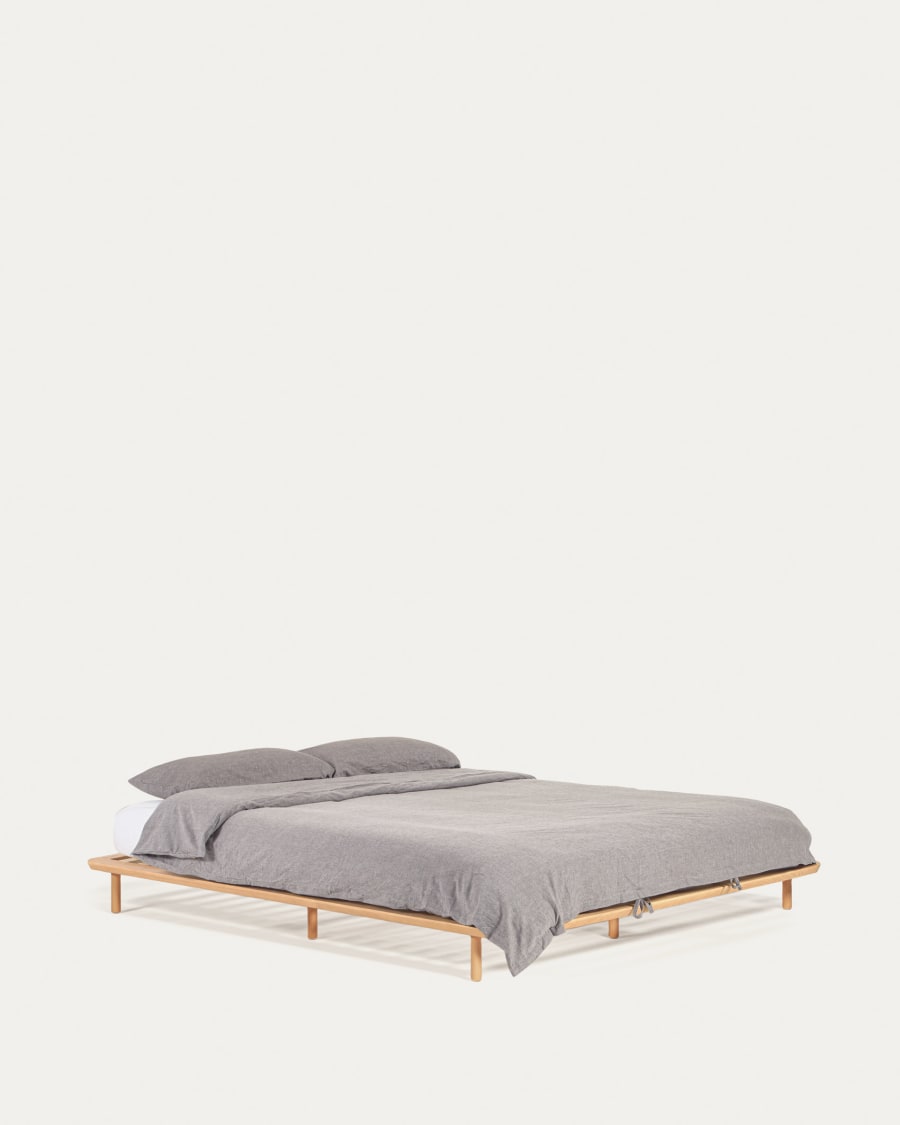
Design focuses on clean lines and uncluttered forms. Low-profile frames with horizontal silhouettes promote visual calm, optimizing small spaces while maintaining stability. Materials matter: light woods like oak or ash highlight natural textures, paired with linen or cotton for softness. Storage solutions—like concealed drawers—stay hidden beneath sleek surfaces, preserving harmony.
-
Harmonious blend: Japanese minimalism meets Scandinavian comfort (Hygge)
-
Clean lines and simplicity: Uncluttered bed frames with functional elegance
-
Natural and organic materials: Wood, bamboo, linen, and cotton dominate
-
Neutral color palette: Whites, greiges, and earthy tones create soothing contrasts
Materiality defines its appeal. Light woods emphasize warmth, their grain patterns celebrating organic beauty. Textiles like linen or cotton add tactile comfort. Sustainability aligns with its ethos—natural materials age gracefully, echoing wabi-sabi’s celebration of imperfection.
Color choices enhance balance. Muted greiges balance warm and cool tones, while terracotta nods to Japanese earthiness. Scandinavian whites expand perceived space, subtly grounded by navy accents. Neutral palettes reduce mental clutter, aligning with wellness-driven trends that prioritize calm.
Japandi beds counter urban chaos. Grounded designs encourage mindfulness, while textures like bamboo or wool foster connection to nature. For modern living, this focus on restorative spaces feels less like a trend and more like a lifestyle necessity.
How to choose your Japandi bed
The perfect Japandi bed balances Japanese minimalism with Scandinavian practicality, creating a serene focal point for modern bedrooms. Focus on these four principles to achieve harmony between aesthetics and functionality while optimizing urban living spaces.
Low-profile platform beds anchor Japandi style by combining Japanese futon traditions with Scandinavian minimalism. Their 10-15cm height creates grounding energy while making rooms feel expansive. Clean, unadorned structures maintain visual calm—a key advantage for compact spaces. This design reinforces the "less is more" philosophy by eliminating unnecessary elements. The low silhouette also echoes Zen-inspired spatial awareness, where proximity to the floor fosters mindfulness and intentional living.
Select the right natural materials
Natural materials define Japandi beds. Light woods like oak and maple provide Nordic warmth, while bamboo adds sustainable strength with linear grain. Rattan introduces subtle texture through headboards:
| Material |
Key Characteristics |
Japandi Style Contribution |
| Light Wood (e.g., Oak, Maple) |
Warm, bright, durable |
Primarily Scandinavian (lightness, hygge) |
| Bamboo |
Sustainable, strong, linear grain |
Blends Japanese (natural element) and Scandinavian (sustainability) |
| Rattan |
Lightweight, textured, adds warmth |
Softens minimalism with organic texture |
Dark woods like walnut occasionally appear in "Dark Japandi" designs, creating contrast. Prioritize authentic materials—avoid synthetic imitations—to maintain the tranquility central to both traditions. Natural textures should complement each other, like smooth oak bedframes paired with woven rattan headboards.
Consider the color palette and textures
Neutrals dominate Japandi schemes, blending Scandinavian whites with Japanese earthy tones like sage green. Linen and cotton bedding add tactile comfort, while wool throws soften angular lines. For urban settings, layer textures—raw-edged linen cushions against smooth wood—to create depth without chaos. This approach satisfies Scandinavian hygge through material richness rather than ornamentation.
Modern designs may include muted pastels like soft greige as accents. Stick to a 70% neutral base with 30% earthy tones that echo natural landscapes, maintaining the style’s signature calm. Incorporate raw-edge textiles for subtle movement or woolen throws with irregular weaves to add organic depth.
Integrate functionality and storage
Scandinavian practicality meets Japanese simplicity in hidden storage. Low-profile platforms often include discreet drawers beneath the frame. Simple headboards with integrated shelves add utility without clutter, crucial for space-efficient urban living. These solutions reflect the Japandi ethos of "every item with a purpose" while solving real-world challenges.
Some designs feature hydraulic lifts for under-bed storage or modular systems combining beds with low-profile wardrobes. For simplicity, choose frames with flush handles or touch-latch drawers that preserve clean surfaces. These innovations maintain visual peace while maximizing utility in compact environments.
True Japandi design appears effortless—every detail advances form and function. This balance transforms bedrooms into modern sanctuaries that feel timeless and deeply calming. The result? A space where urban dwellers disconnect from external noise through intentional simplicity and purposeful materiality.
Creating The Complete Japandi Bedroom
In a Japandi bedroom, the bed serves as the foundation, but true serenity emerges from the room’s holistic design. To achieve this balance, every element must echo the fusion of Japanese simplicity and Scandinavian functionality, prioritizing natural materials, neutral tones, and intentional minimalism.
Start with natural light. Opt for sheer linen or cotton curtains to filter sunlight softly, avoiding heavy drapes that disrupt airiness. Complement this with minimalist lighting—think paper-shade lamps or fabric-covered fixtures—to maintain gentle illumination after dusk. This interplay of light and texture mirrors the Japandi ethos of harmony with nature.
Decor should follow the principle of “less, but better.” Choose a single ceramic vase with a curved silhouette or a handcrafted wooden bowl. These pieces, rooted in Wabi-Sabi and Hygge, add character without clutter. A solitary bonsai or a dried pampas grass stem in a muted clay pot introduces organic elegance, avoiding overstimulation.
- Soft, natural textiles: Layer linen sheets, cotton throws, and wool blankets for tactile warmth without visual noise.
-
Intentional accessories: Select a few high-quality items that reflect craftsmanship, such as a hand-thrown stoneware bowl.
-
Maximize natural light: Use unobstructed windows and translucent fabrics to amplify brightness during the day.
-
Incorporate nature: Add a single, sculptural plant to anchor the space in organic calm, echoing Zen-inspired simplicity.
By weaving these elements together, the bedroom becomes a sanctuary where every detail—raw wood grains, muted tones, and uncluttered spaces—conspires to reduce sensory overload. This deliberate curation transforms the room into a modern urban retreat, blending the tranquility of Kyoto with the practical warmth of Copenhagen.
Japandi beds for nurseries and kids rooms
Japandi beds seamlessly merge Japanese simplicity with Scandinavian functionality, creating serene spaces for children. By prioritizing natural materials like light wood and cotton, these designs foster calm environments free from visual clutter. The minimalist approach ensures every element serves a purpose, balancing aesthetic harmony with practicality for growing kids.
Low-profile beds dominate Japandi nurseries, emphasizing safety and independence. Evolving cot beds in rattan or light wood adapt as children grow, transitioning from crib to toddler bed. This versatility aligns with Scandinavian practicality, while organic shapes and subdued tones reflect Japanese tranquility. The intentional lack of bold patterns or excessive decor maintains focus on natural textures, encouraging mindfulness in modern urban settings.
Material choices are critical. Solid wood frames with non-toxic finishes provide durability and hypoallergenic safety. Organic cotton bedding and washable wool rugs introduce softness without compromising Japandi’s commitment to eco-conscious simplicity. Neutral palettes—think oatmeal, soft grays, and warm beiges—create a soothing backdrop, allowing subtle pops of muted green or terracotta to echo nature’s presence.
-
Choose low-height beds: For safety and to encourage autonomy.
- Opt for natural, non-toxic materials: Prioritize solid wood, rattan, and organic cotton.
- Keep it simple: Avoid clutter and choose multi-functional furniture.
- Use a calming color scheme: Stick to soft neutrals to create a peaceful atmosphere.
Japandi beds transcend trends by blending timeless elegance with child-centric design. Their adaptability ensures longevity, while the emphasis on uncluttered spaces supports cognitive development. For parents seeking urban tranquility, this style offers a sanctuary where children can thrive amid modern life’s chaos.
FAQ
What defines a Japandi bed?
A Japandi bed merges the serene simplicity of Japanese minimalism with the cozy functionality of Scandinavian design. It emphasizes clean lines, natural materials like light oak or bamboo, and a neutral color palette that balances Scandinavian softness with Japanese earthy tones. These beds often feature low-profile frames, creating a grounded, tranquil atmosphere while prioritizing intentional, clutter-free living spaces.
How do Japandi beds differ from traditional styles?
Unlike traditional beds with ornate details, Japandi beds focus on understated elegance. They typically sit lower to the ground (7-9 inches high) for a calming, minimalist aesthetic. The design avoids excess ornamentation, favoring organic textures like linen bedding and wooden frames over synthetic materials. This hybrid style also integrates discreet storage solutions, like hidden drawers, to maintain visual serenity.
Can Japandi beds work in small spaces?
Absolutely. The low-profile, streamlined design visually expands smaller rooms by reducing bulk. Platform beds with built-in storage eliminate the need for bulky furniture, while natural light-colored woods and sheer window treatments enhance openness. This makes Japandi beds ideal for apartments, guest rooms, or minimalist bedrooms where space optimization is key.
What materials are best for a Japandi bed?
Authentic Japandi beds use solid, sustainable materials like light oak, maple, or bamboo for a warm, organic feel. Rattan accents add subtle texture without overwhelming the space. These materials align with both Japanese reverence for nature and Scandinavian durability, ensuring longevity while maintaining eco-consciousness. Always opt for non-toxic finishes, especially in children's rooms.
Are Japandi beds suitable for children's rooms?
Yes—they create a peaceful, development-friendly environment. Low-height frames promote safety and independence for toddlers, while natural materials like solid wood and organic cotton bedding ensure a non-toxic space. The minimalist design reduces overstimulation, and neutral tones provide a soothing backdrop that adapts as the child grows. Pair with woven baskets for toy storage to maintain the clutter-free ethos.