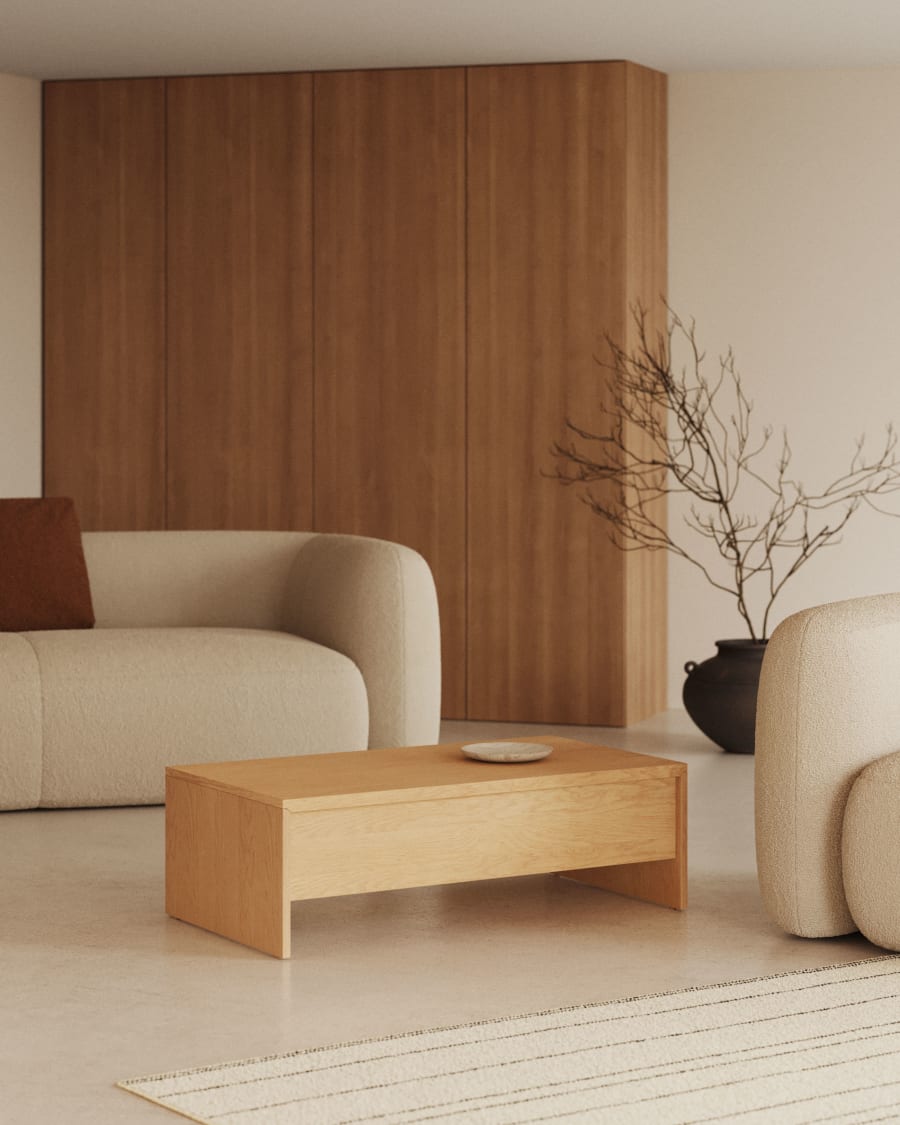
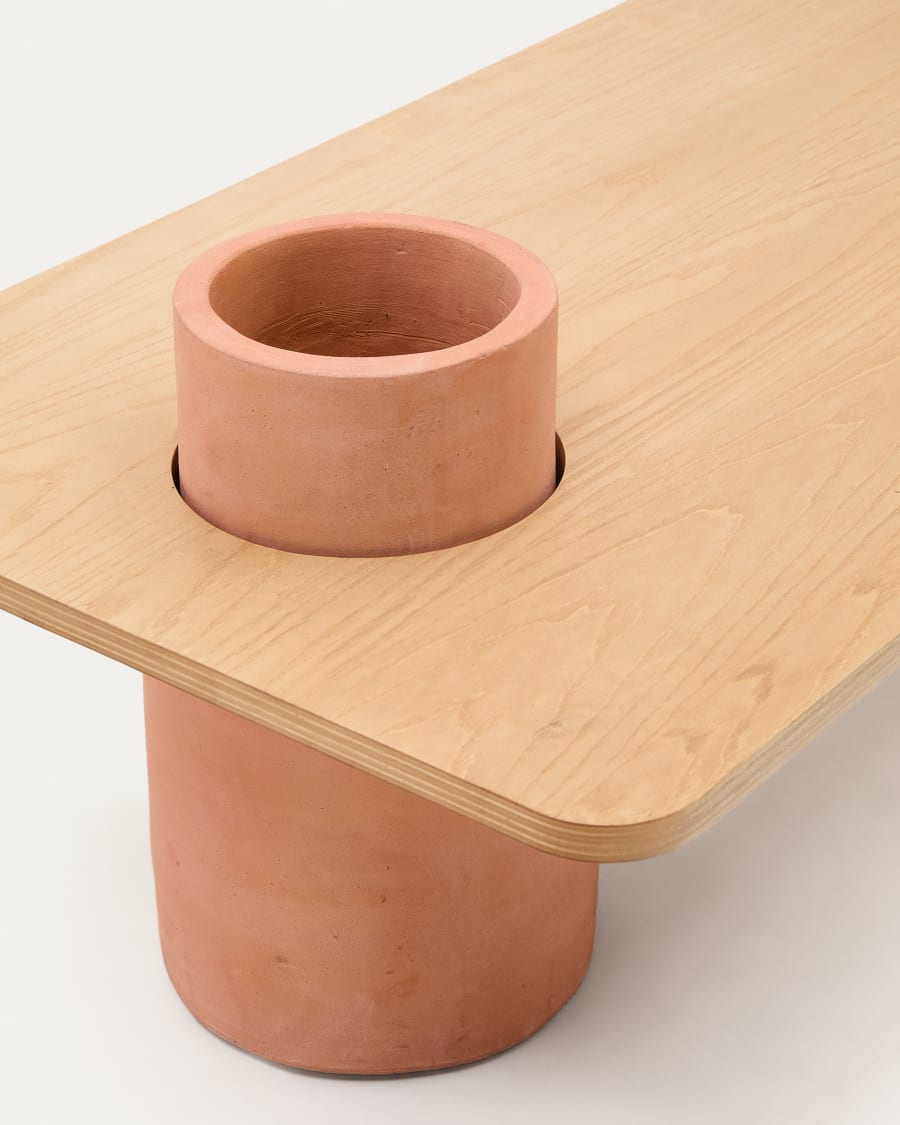
Japandi Coffee Tables

Filter
4 Columns List
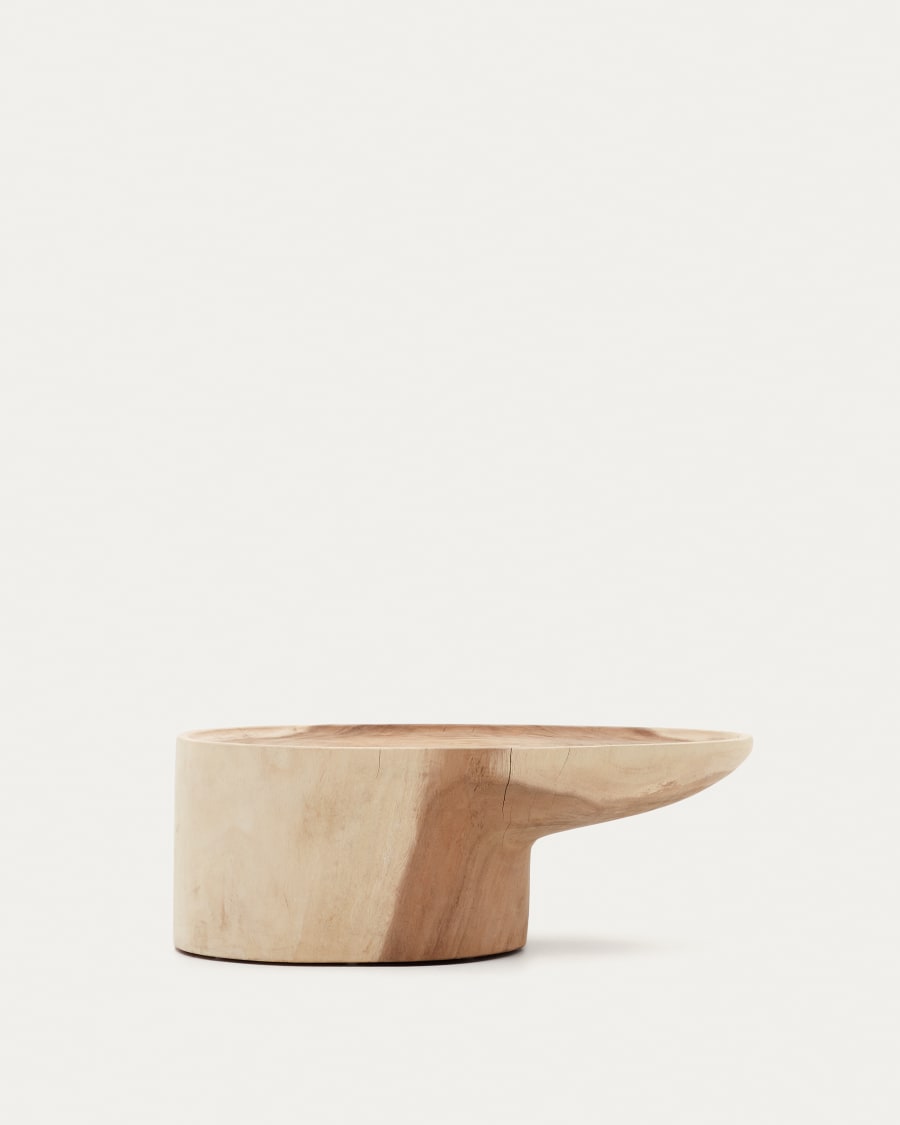
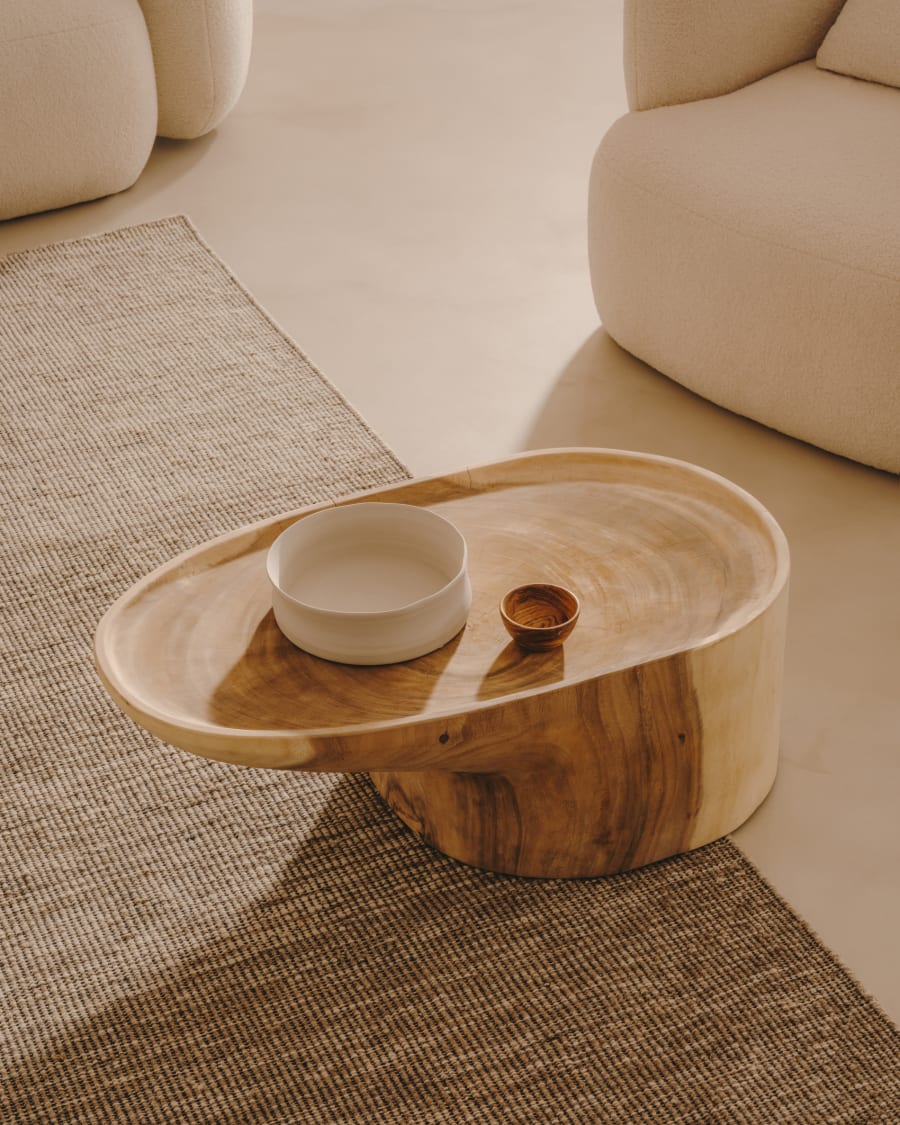
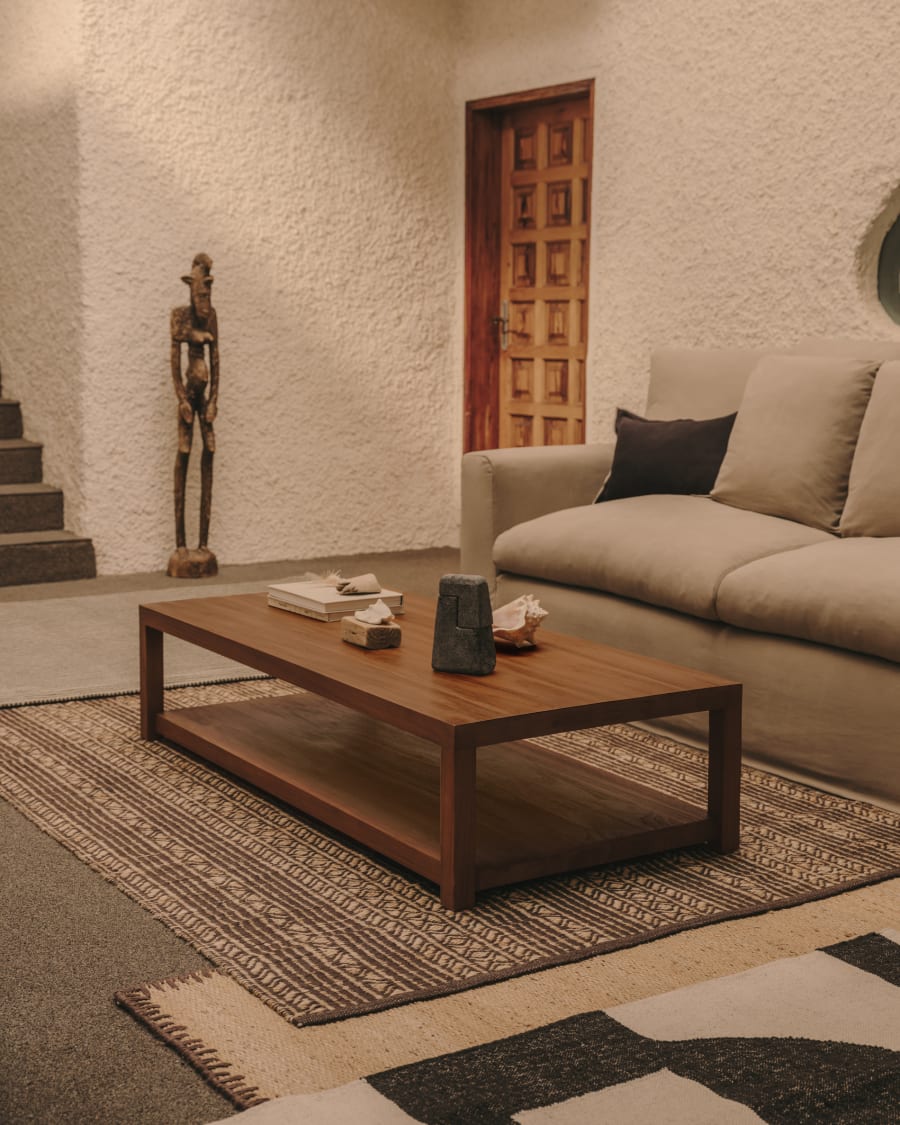
Japandi Raw Wood Coffee Table Japandi Raw Wood Coffee Table
Japandi Raw Wood Coffee Table
Regular price £669.00
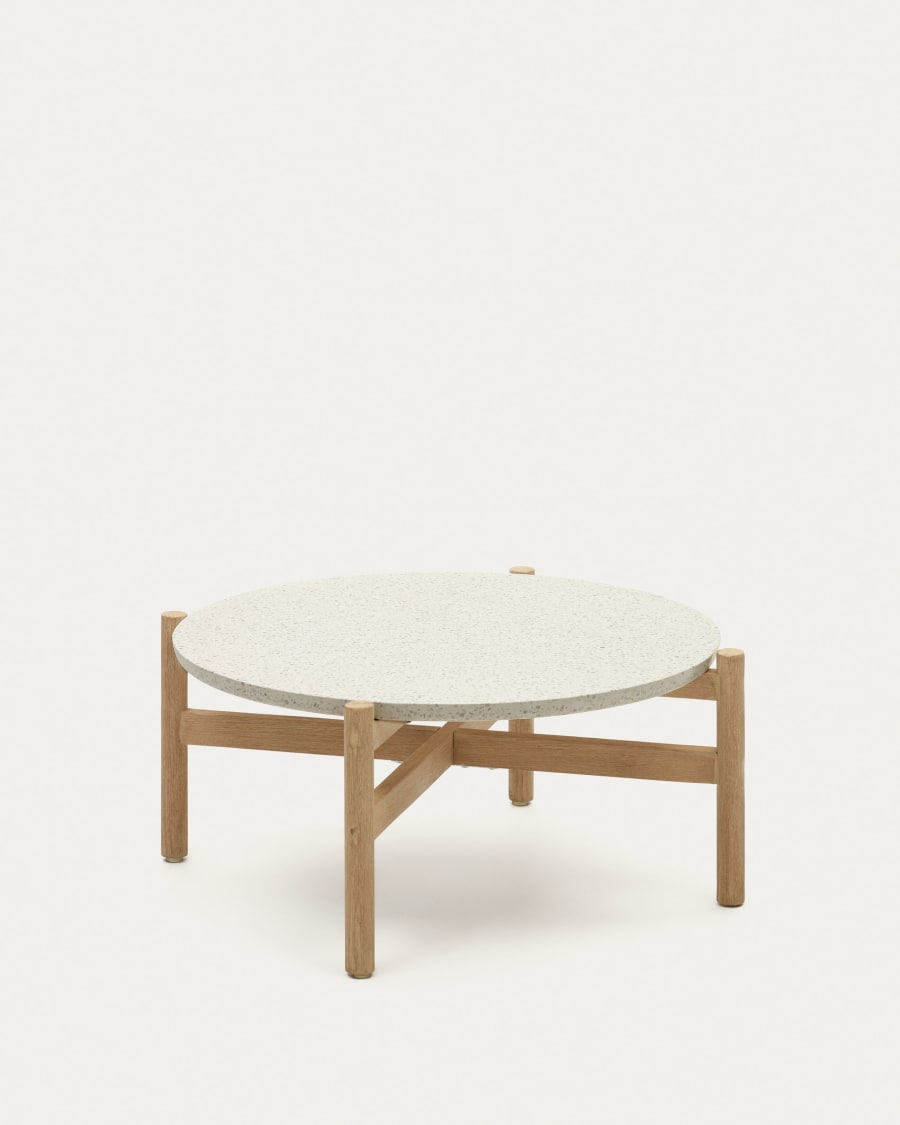
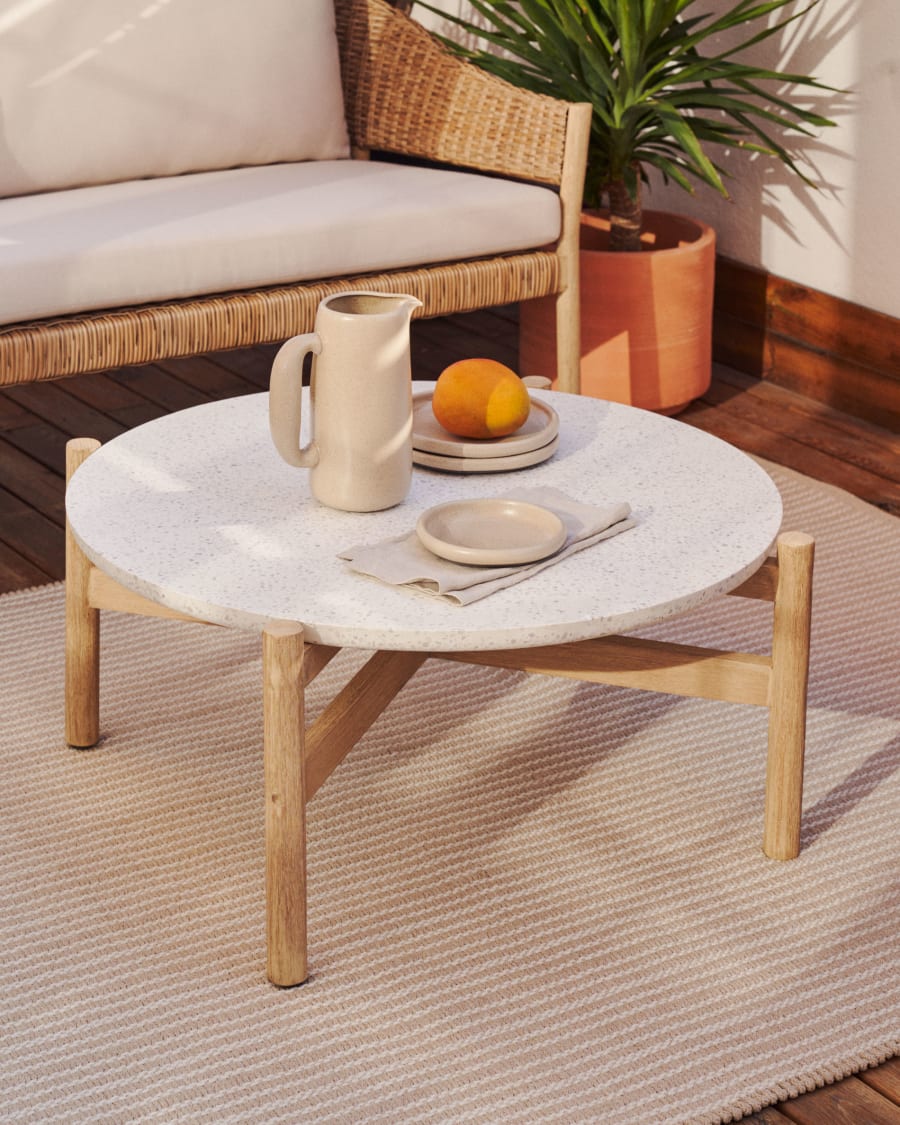
Japandi Wood and Cement Coffee Table Japandi Wood and Cement Coffee Table
Japandi Wood and Cement Coffee Table
Regular price £379.00
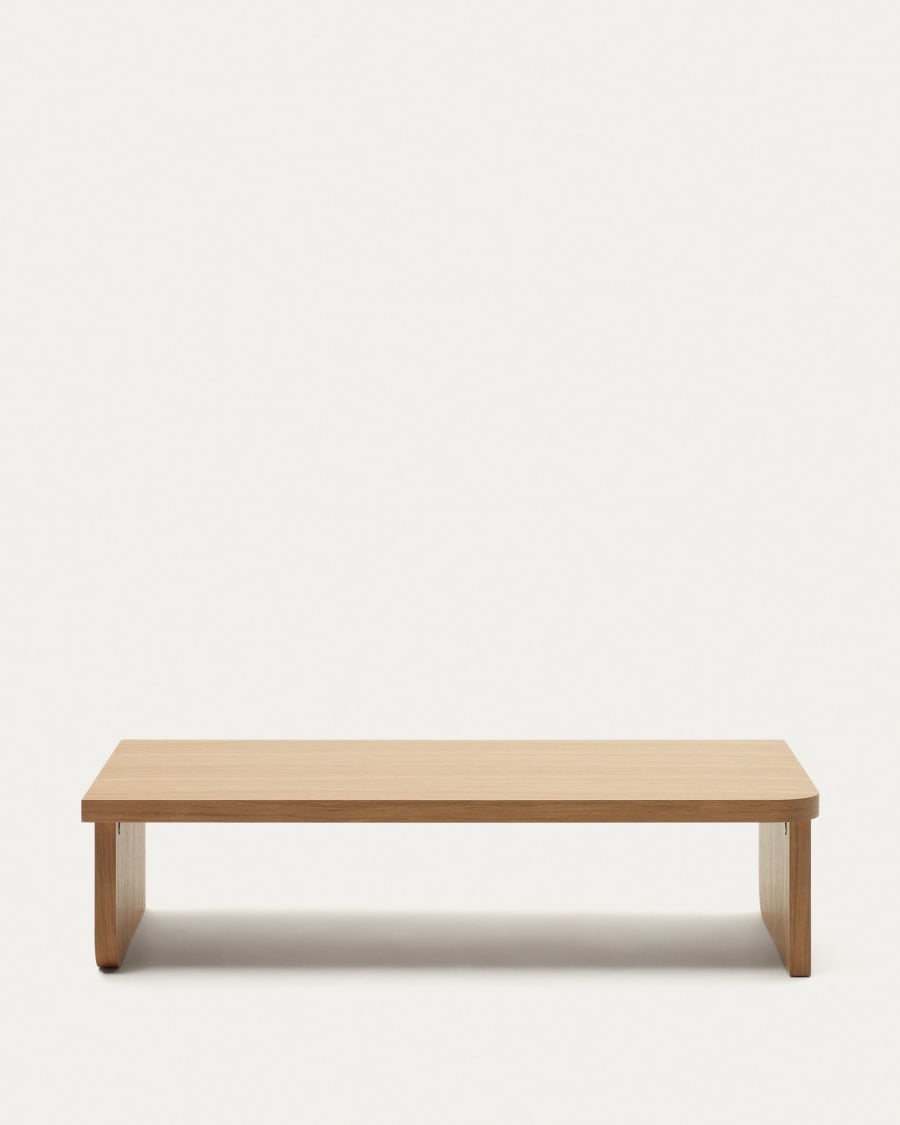
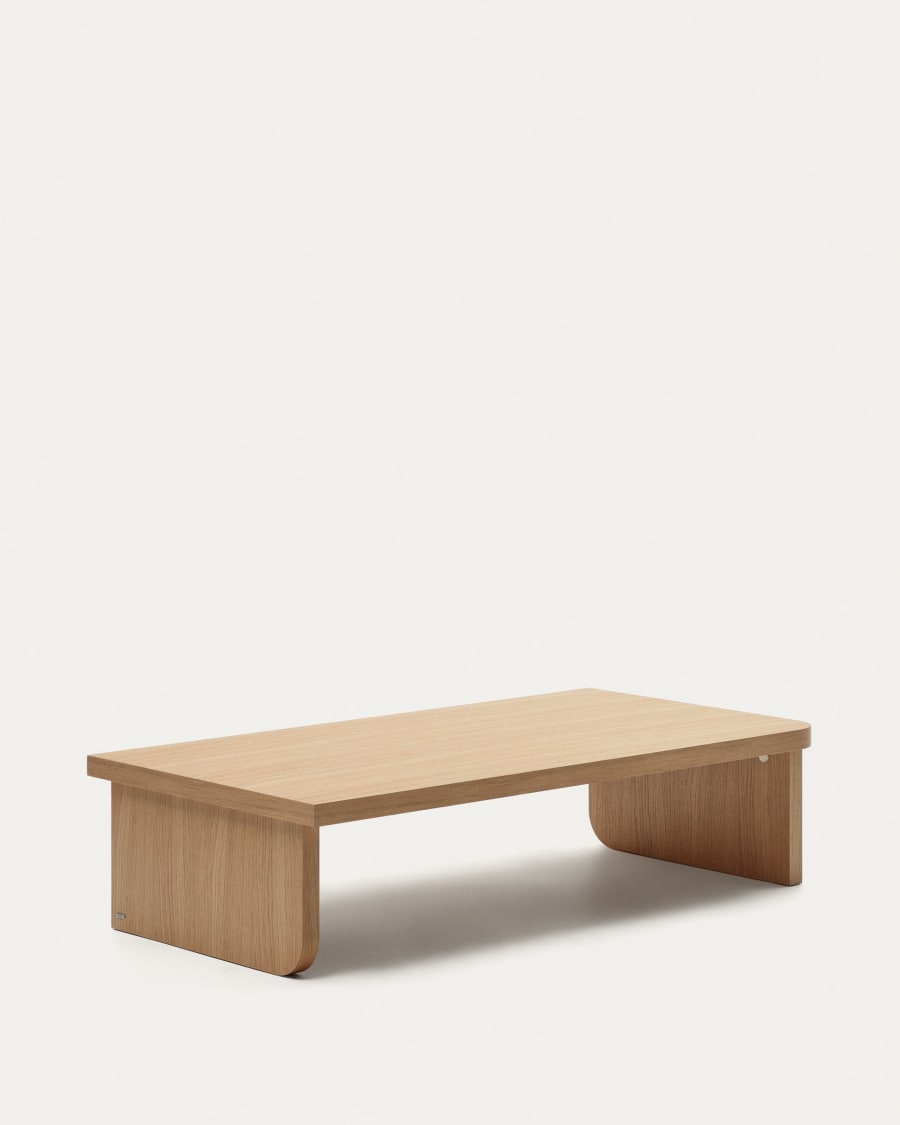
Japandi Low Coffee Table Japandi Low Coffee Table
Japandi Low Coffee Table
Regular price £659.00
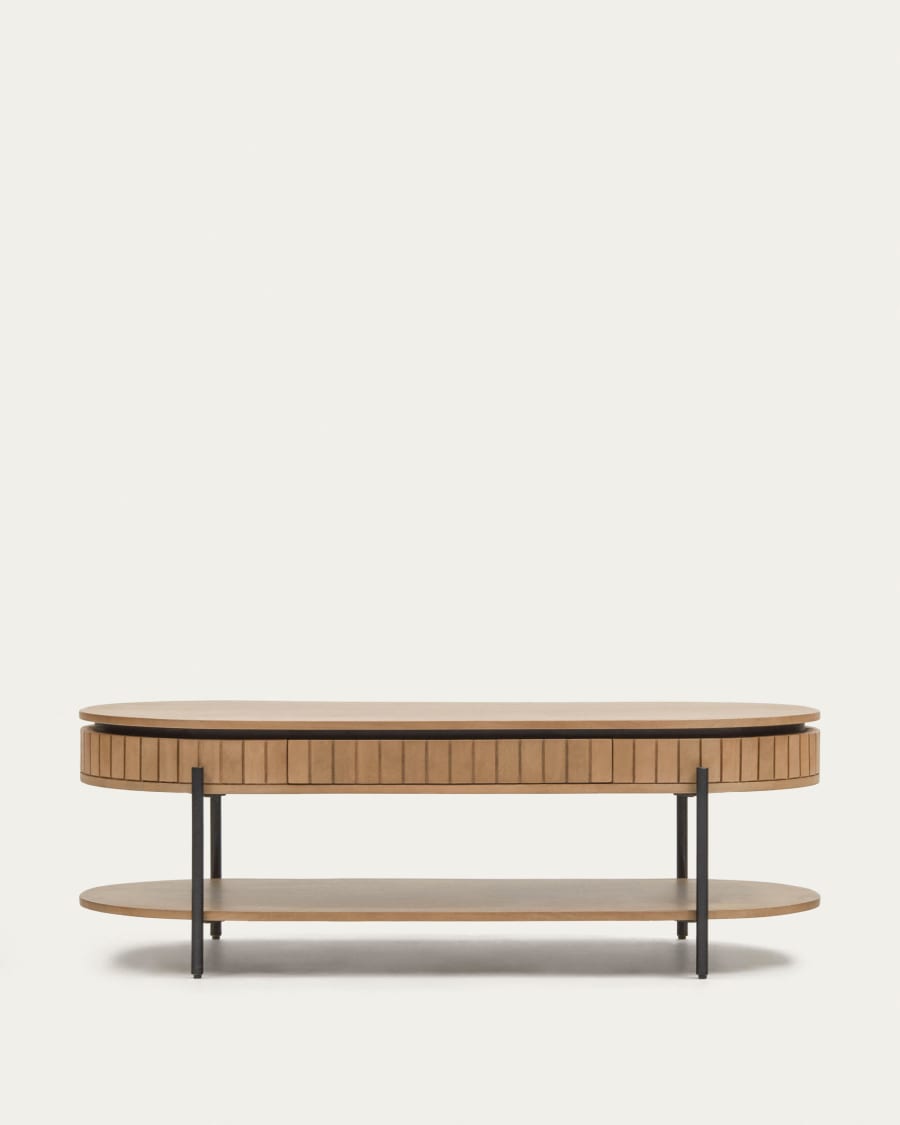
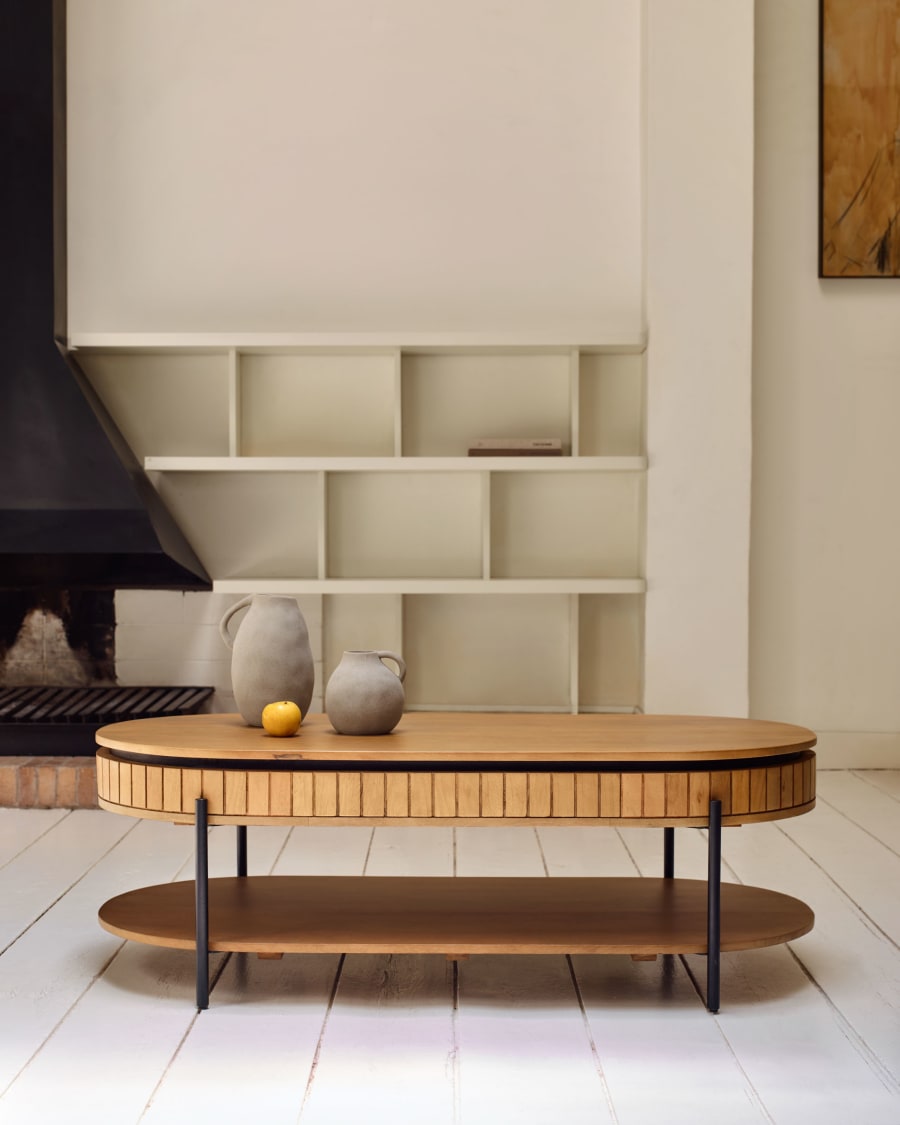
Japandi Coffee Table with Drawer Japandi Coffee Table with Drawer
Japandi Coffee Table with Drawer
Regular price £669.00
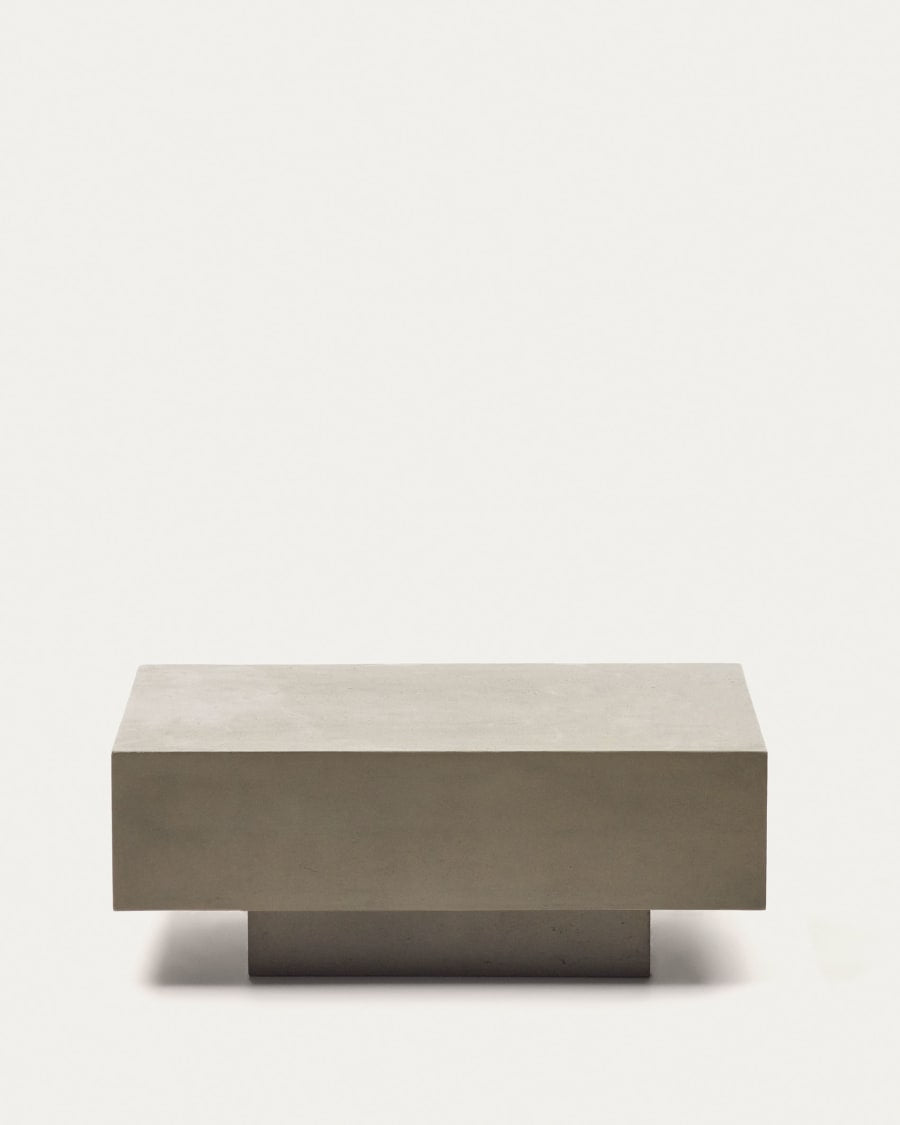
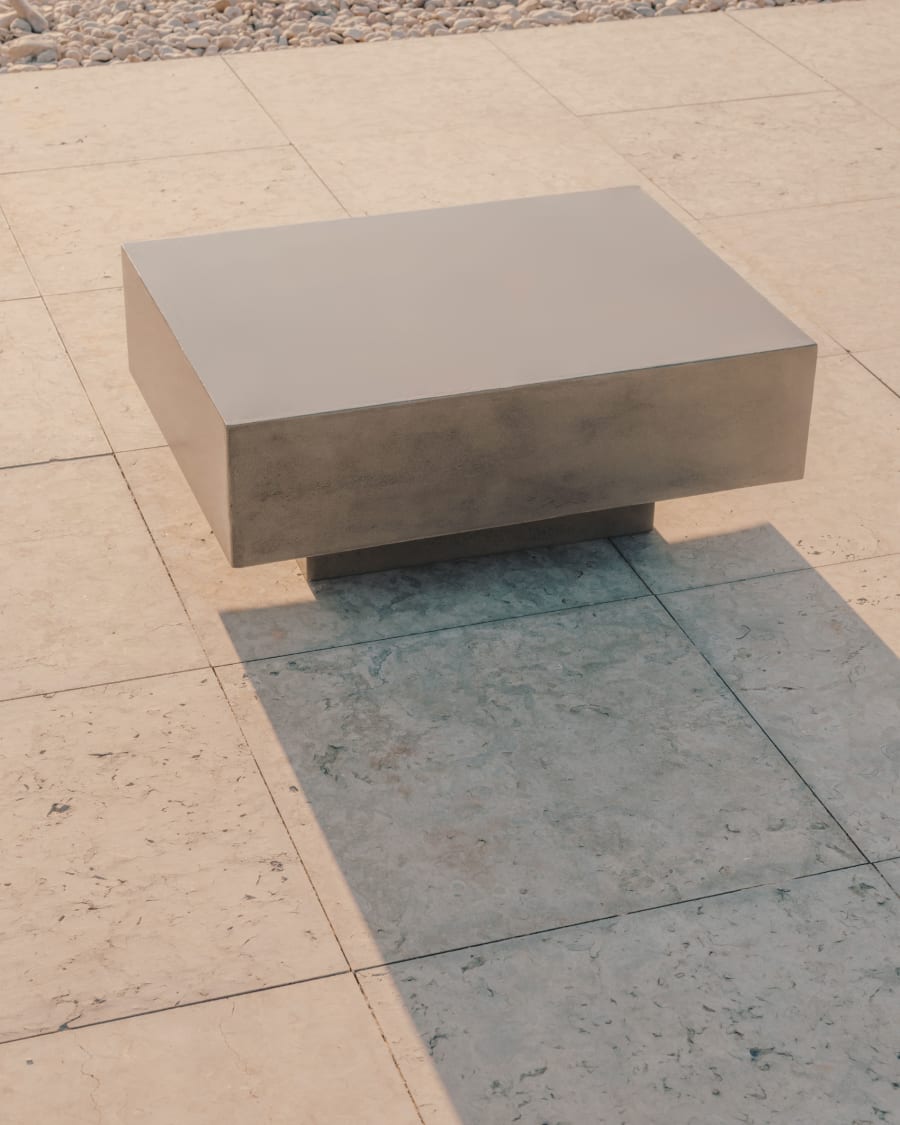
Japandi Cement Coffee Table Japandi Cement Coffee Table
Japandi Cement Coffee Table
Regular price £499.00
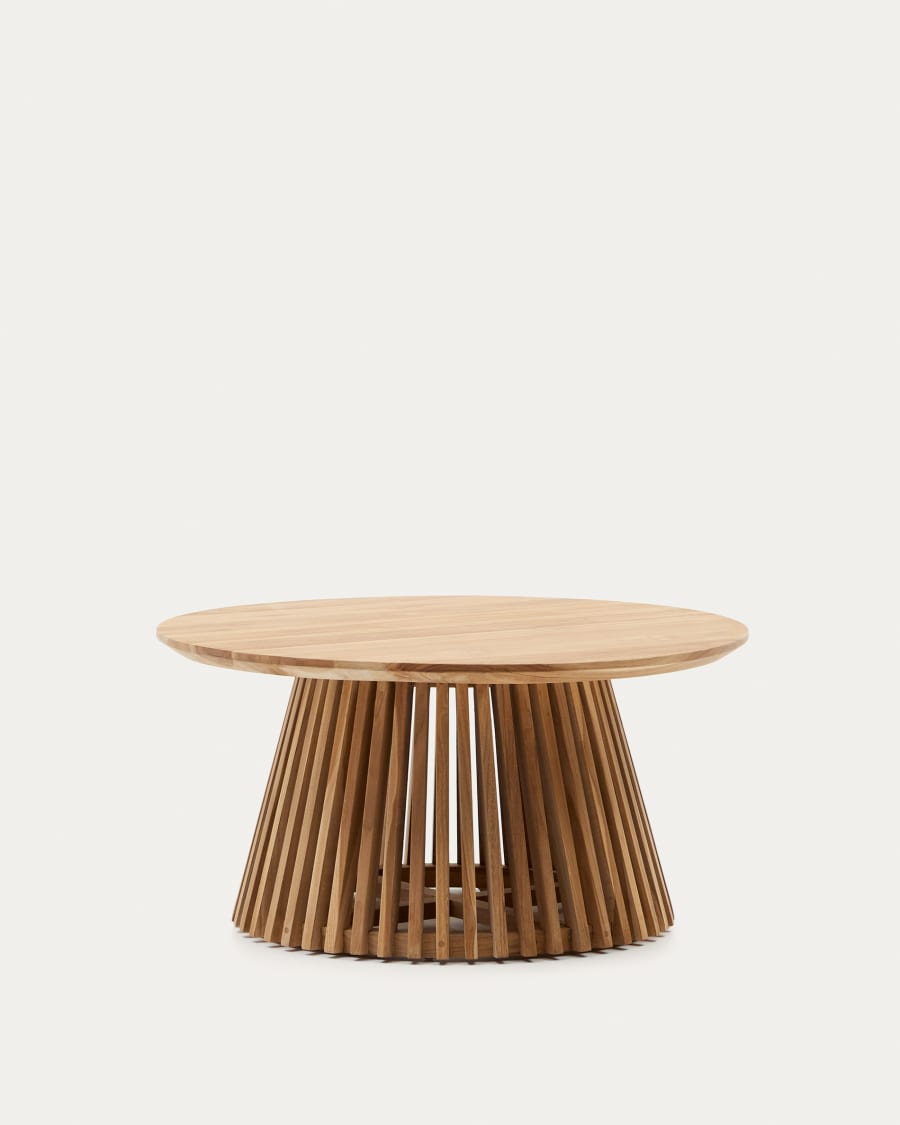
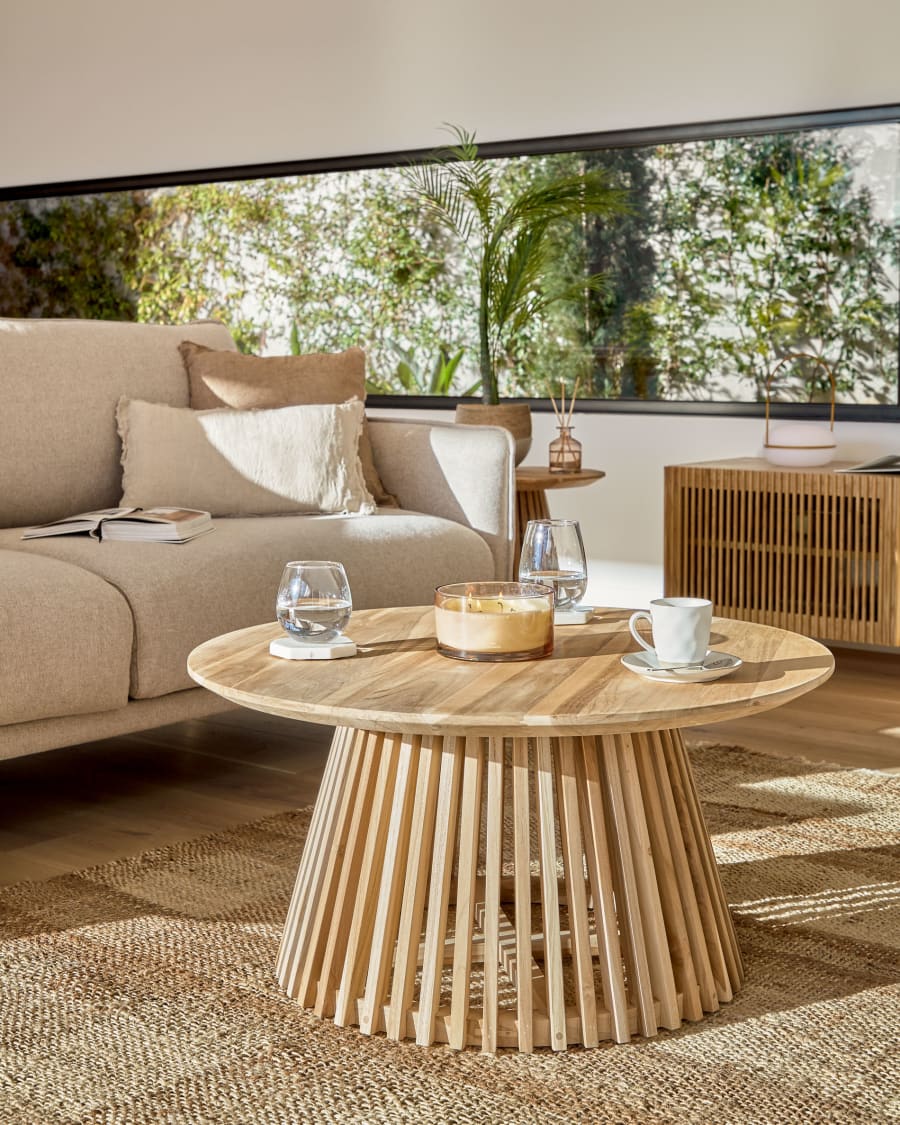
Round Japandi Coffee Table Round Japandi Coffee Table
Round Japandi Coffee Table
Regular price £449.00
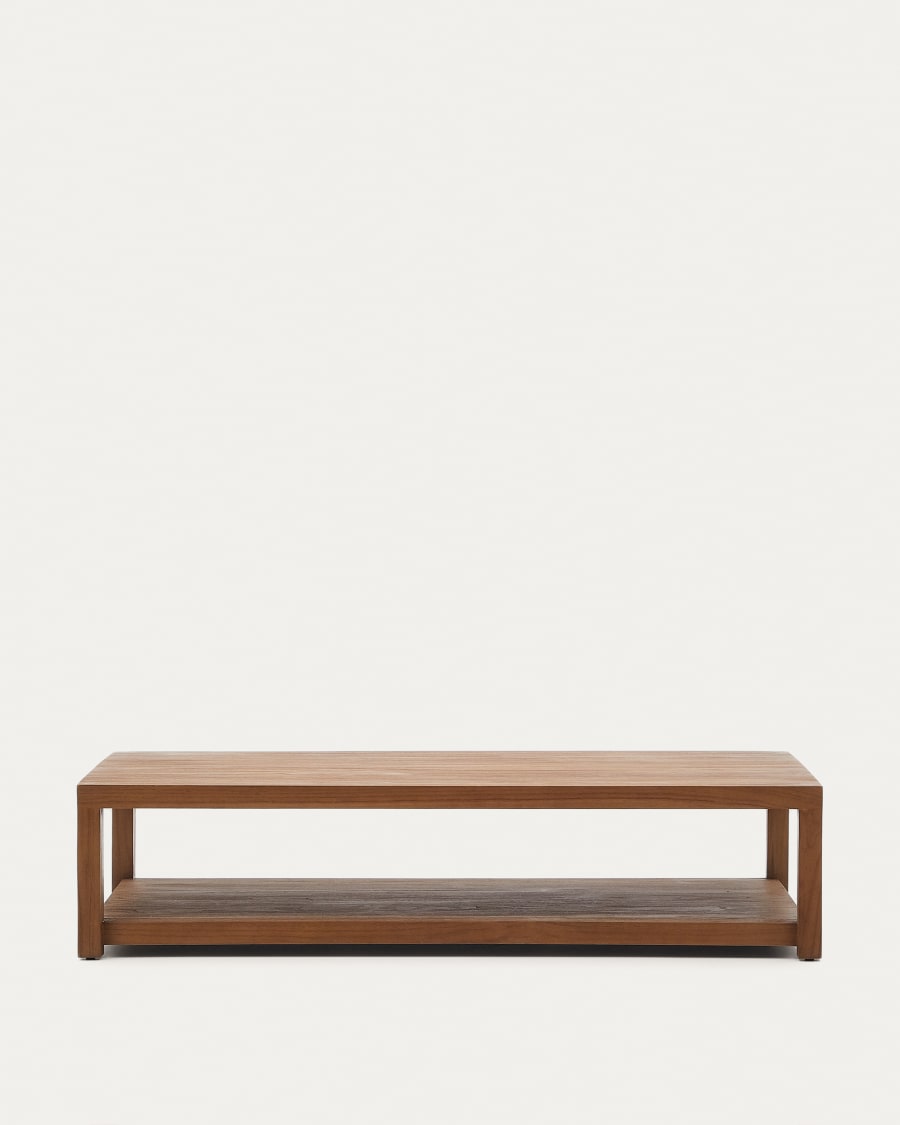
Japandi Rectangular Coffee Table Japandi Rectangular Coffee Table
Japandi Rectangular Coffee Table
Regular price £729.00
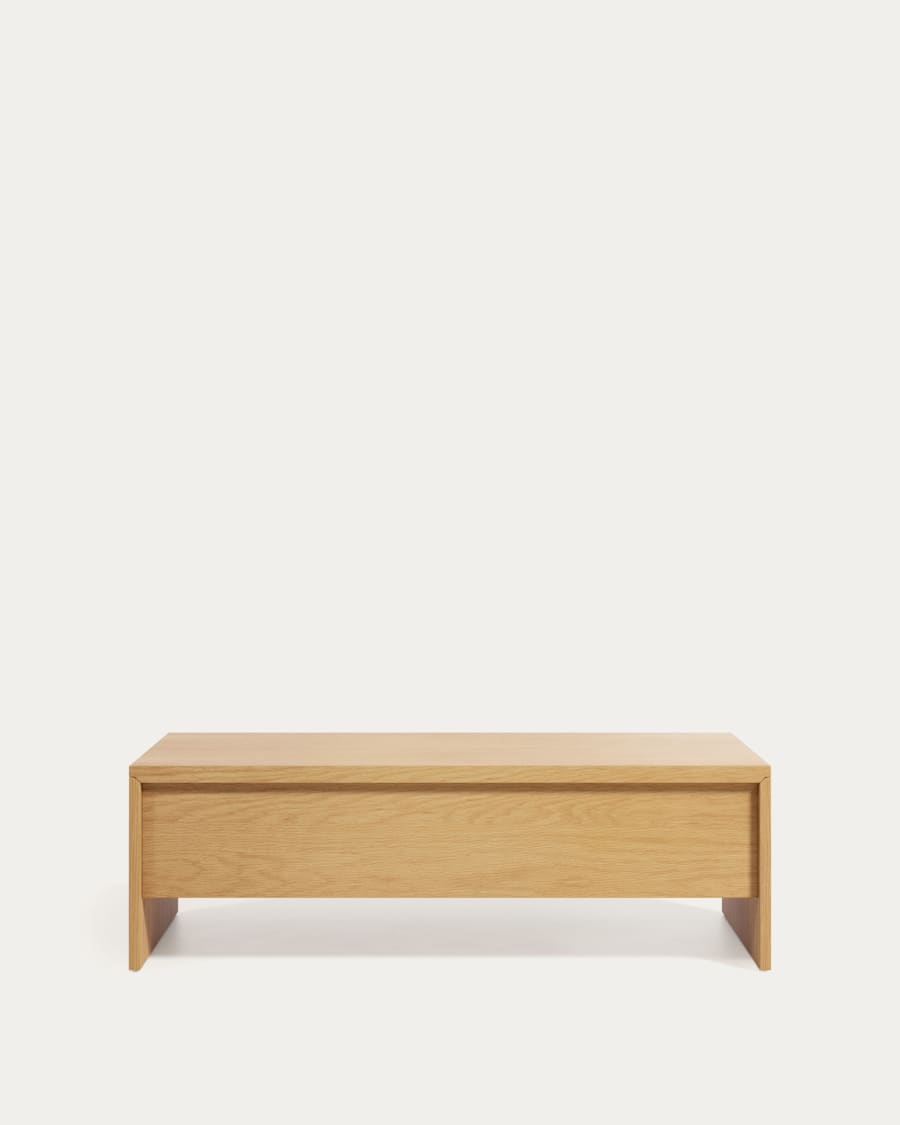
Japandi Extendable Coffee Table Japandi Extendable Coffee Table
Japandi Extendable Coffee Table
Regular price £449.00
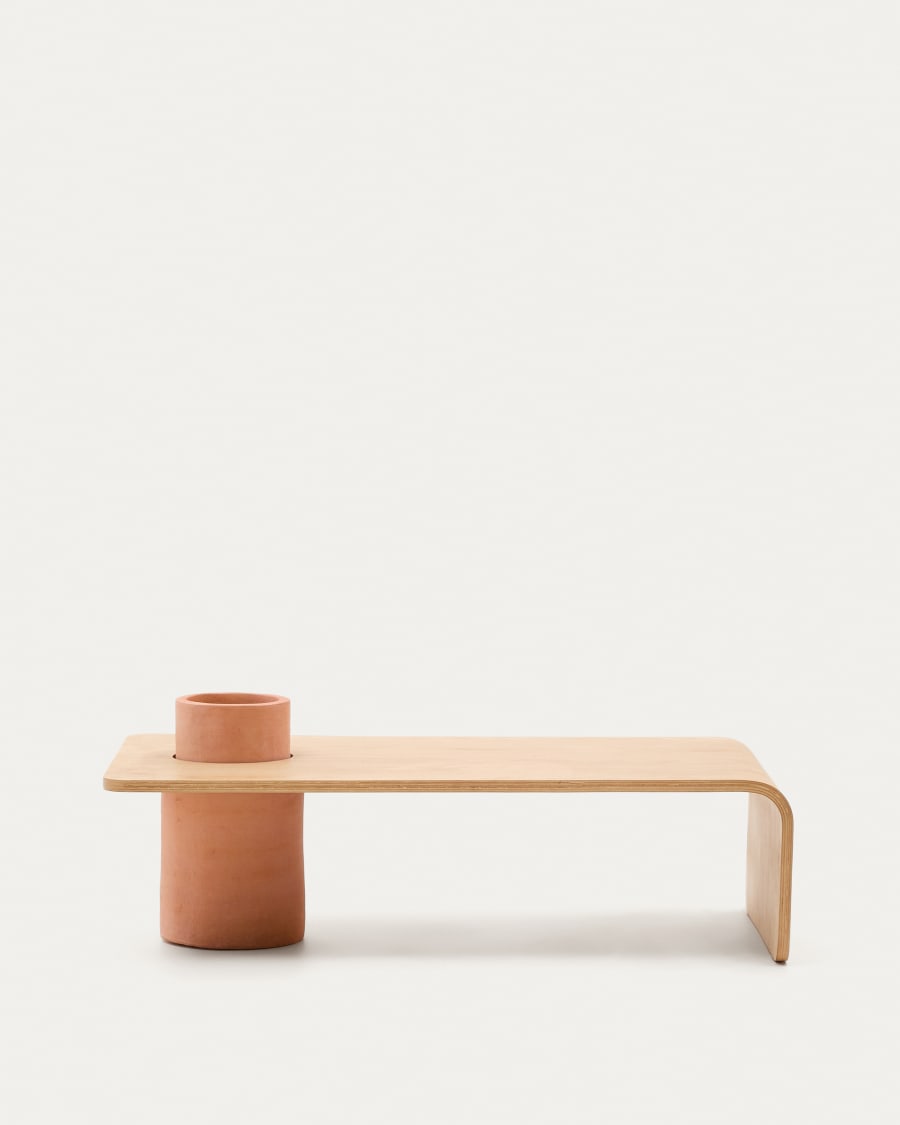
Japandi Terracotta Coffee Table Japandi Terracotta Coffee Table
Japandi Terracotta Coffee Table
Regular price £389.00

Japandi Coffee Tables | Nordic & Japanese Minimalist Design

Japandi coffee tables fuse Nordic minimalism and Japanese wabi-sabi with organic materials, offering serene functionality for minimalist interiors.

What Is A Japandi Coffee Table?

The Philosophy Of Japandi Design

Japandi coffee tables combine the Japanese wabi-sabi philosophy—celebrating imperfection and natural beauty—with Scandinavian hygge, which values warmth and functionality. This fusion creates serene, livable spaces. Wabi-sabi’s focus on organic textures pairs with Nordic minimalism’s clean lines, avoiding excessive ornamentation. The result? Furniture that balances raw natural materials with intentional simplicity, perfect for homeowners seeking calm environments without sacrificing practicality.

Core Characteristics Of Japandi Coffee Tables

Japandi coffee tables emphasize natural materials and understated elegance. Key traits include:

  • Natural Materials: Solid oak, ash, or mango wood paired with stone accents like travertine. Minimal black steel adds contrast without synthetic elements.
  • Clean Lines: Low-profile designs with rounded edges, geometric shapes, or abstract curves, such as minimalist round or cloud-shaped tables.
  • Neutral Palette: Soft whites, beiges, and grays complement warm wood tones. Subtle black accents enhance depth.

These tables blend durability with aesthetics. For example, House of Leon’s Kyoto Table (50” x 21” or 60” x 27.5”) showcases handcrafted “butterfly joints” that highlight natural wood grain, earning a 4.8/5 customer rating for timeless appeal and quality craftsmanship.

How to Choose Your Japandi Coffee Table

Material Selection and Durability

Choose natural materials like solid white oak (House of Leon’s Kyoto Coffee Table) or marble (Sofita Marble Table) for Japandi designs. Rattan accents add organic texture while keeping minimalism. Kyoto’s butterfly joints ensure durability without sacrificing aesthetics. Opt for tables meeting commercial-grade standards to align with Japandi’s sustainable, long-lasting philosophy.

Shape, Size, and Integration into Your Space

Low-profile tables create calm spaces. Rounded edges (Cane-line’s Aspect Table) soften room dynamics. 50” x 21” suits compact rooms; 60” x 27.5” suits larger areas. Circular tables (Aspect’s 144 cm diameter) boost flow; rectangular ones offer structure. Leave 18–24” between seating and the table for movement.

Styling Your Japandi Coffee Table for a Harmonious Home

Creating a Balanced Aesthetic

A Japandi coffee table thrives on intentional simplicity. Layer textures like linen throws, hand-thrown ceramic vases, and smooth stone accents to add depth without clutter. Neutral tones—warm greys, muted taupes, and creamy whites—anchor the design, while subtle contrasts (e.g., a black matte tray on a light wood surface) create visual interest.

Let the table serve as a focal point by embracing negative space. Place a single potted succulent or a minimalist art book to highlight craftsmanship. Combine organic shapes, like a round table with soft-edged cushions, to echo the wabi-sabi principle of natural imperfection. Prioritize materials like solid oak or reclaimed wood to reinforce the Nordic-Japanese connection.

Common Styling Mistakes to Avoid

  • Overloading the surface with decorative items—stick to 2-3 meaningful pieces for functionality and calm.
  • Using bold colors or intricate patterns that disrupt the muted, earthy palette.
  • Neglecting wood care—avoid harsh cleaners and direct sunlight to preserve finishes.
  • Choosing a table that clashes in scale with sofas or armchairs, breaking the room’s visual harmony.
  • Mixing overly modern or traditional elements that dilute the Japandi blend of serene minimalism.

Maintain authenticity by focusing on tactile materials and purposeful design. A well-styled Japandi coffee table becomes a quiet anchor, merging Nordic practicality with Japanese tranquility.

Accessible Japandi Coffee Table Options

Homeowners can embrace the Japandi aesthetic through DIY projects and affordable alternatives that maintain the style’s essence of calm, functional design.

DIY and Budget-Friendly Ideas

Transforming everyday materials into Japandi-inspired furniture prioritizes simplicity and sustainability. Consider these accessible options:

  • Pair reclaimed wood planks with sleek legs or concrete blocks for a low-profile base.
  • Repurpose wooden crates into hidden storage units with a matte-finished top.
  • Refresh secondhand tables using matte stains or natural oils for organic textures.
  • Opt for budget-friendly bamboo or rattan tables for a lightweight, airy feel.
  • Create a minimalist stone or concrete slab tabletop on a wooden frame to merge earthy and industrial elements.

DIY versions using salvaged wood can mimic House of Leon’s Kyoto Coffee Table (£1,490) affordably. Platforms like TikTok and Instagram offer tutorials highlighting hand-planed wood and natural textures that embrace wabi-sabi. By focusing on natural materials and pared-down forms, even simple projects can reflect Japandi’s balanced, clutter-free ethos.

FAQ

What Makes Japandi Coffee Tables Unique in Design Philosophy?

Japandi coffee tables embody a harmonious blend of Scandinavian minimalism and Japanese wabi-sabi principles. They prioritize natural materials like solid oak, travertine, or concrete with matte finishes, neutral tones (whites, beiges, soft grays), and clean, organic shapes. This fusion creates serene, timeless pieces that balance functionality with subtle imperfections, reflecting both cultures' emphasis on simplicity and connection to nature.

Are Japandi Coffee Tables Suitable for Small Living Rooms?

Yes! Their low-profile silhouettes (often 13” height) and streamlined forms visually expand limited spaces. Tables like House of Leon’s Kyoto model (50” x 21”) or round options from Cane-line maintain openness while offering practical surfaces for decor or storage. Pair with Scandinavian-style low seating to enhance spatial flow without overwhelming the room.

How Do Natural Materials Like Wood and Stone Impact Maintenance?

Natural materials require gentle care to preserve their texture and longevity. For wood tables like Kyoto’s white oak, wipe spills immediately with a damp cloth and avoid harsh chemicals to protect the matte finish. Stone surfaces (e.g., travertine) need occasional sealing to prevent staining. Regular dusting maintains the organic aesthetic without compromising their raw, tactile appeal.

Can Japandi Coffee Tables Be Customized or Built DIY?

Absolutely. While premium brands like House of Leon offer bespoke options (e.g., size variations in Kyoto tables), DIY projects using reclaimed wood, concrete slabs, or bamboo are popular. For budget-friendly builds, IKEA’s GLAMBERGET pine wood or secondhand finds with clean lines can be repurposed into Japandi-style tables by emphasizing neutral tones and minimalist joinery techniques like butterfly joints.

What Are the Price Ranges for Authentic Japandi Coffee Tables?

Prices vary based on craftsmanship and materials. Entry-level options, such as Cane-line’s Pace Coffee Table (Small) at £655, offer accessible elegance. Mid-range selections like House of Leon’s Kyoto Table start at £1,490, while luxury pieces like the Aspect Coffee Table (Dia. 144 cm) from Cane-line reach £6,171. Secondhand or DIY alternatives provide cost-effective ways to achieve the aesthetic without sacrificing authenticity.