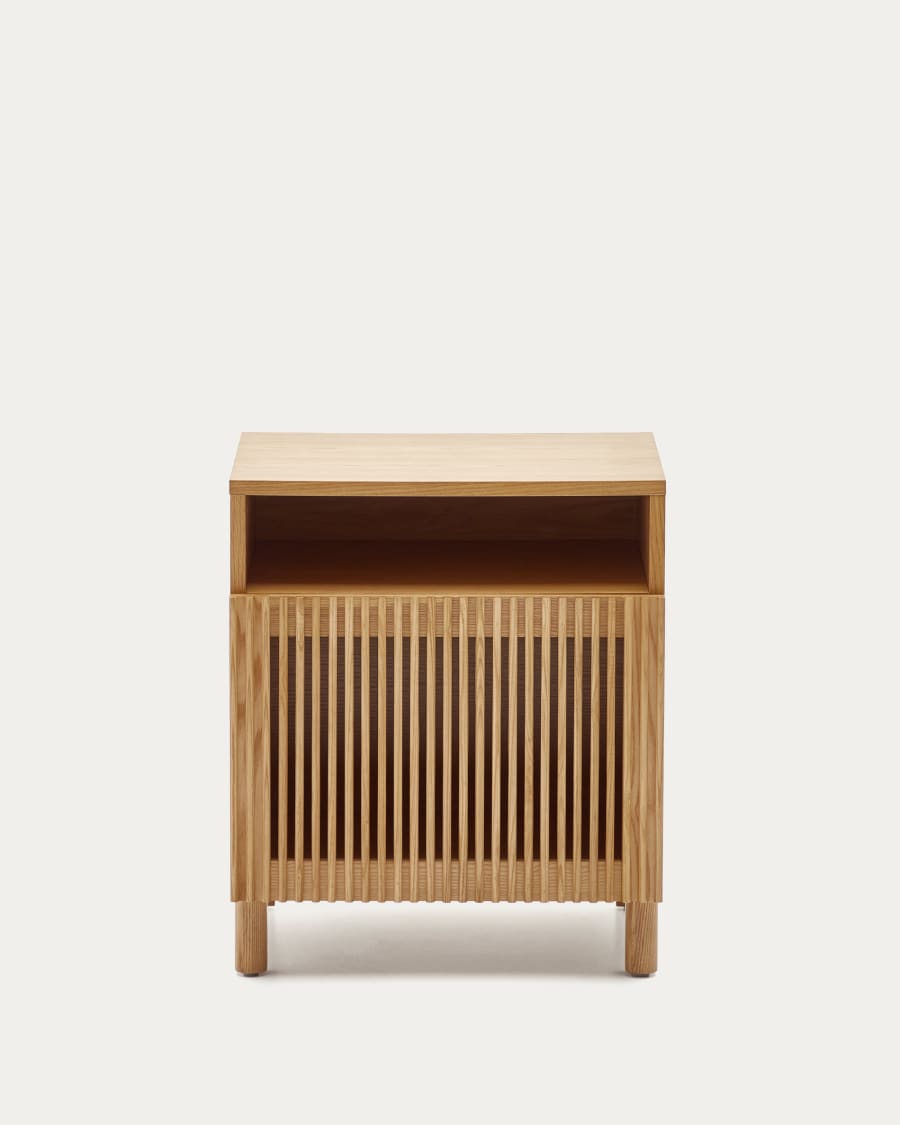
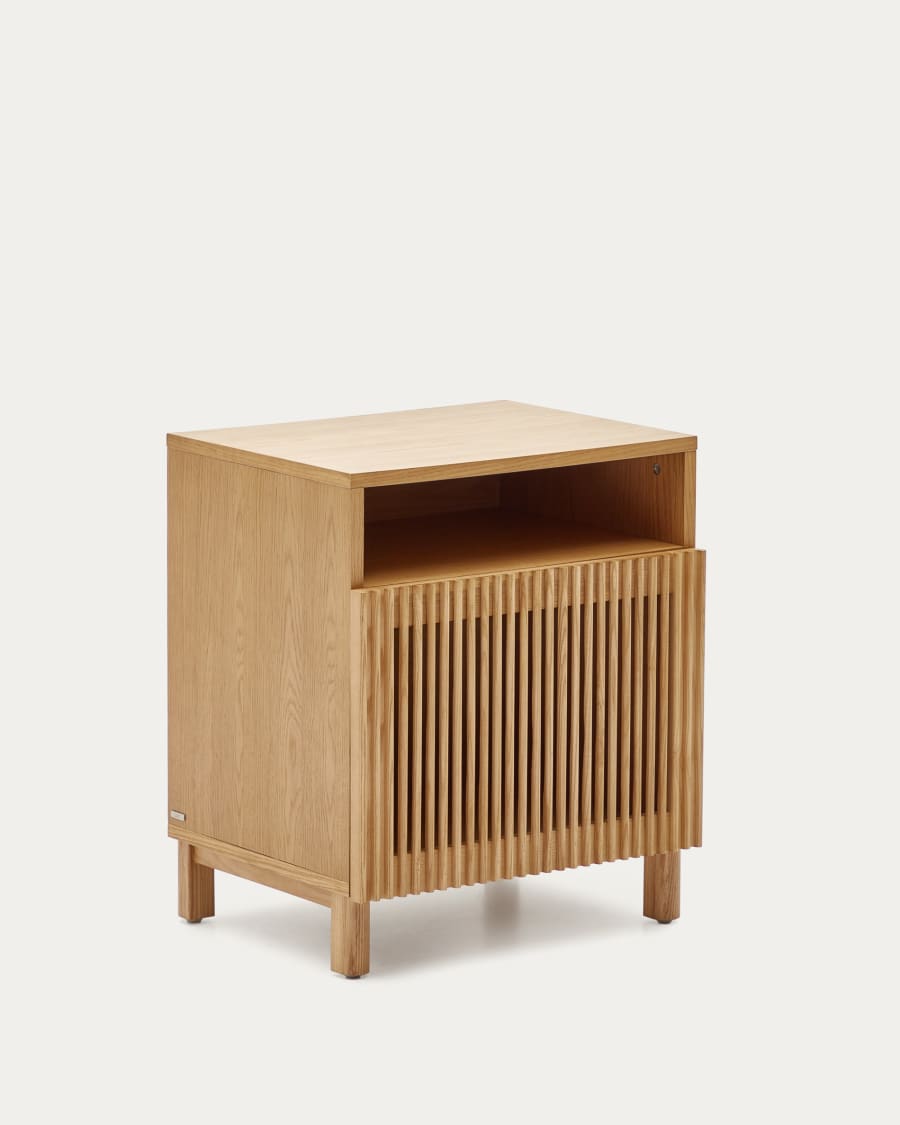
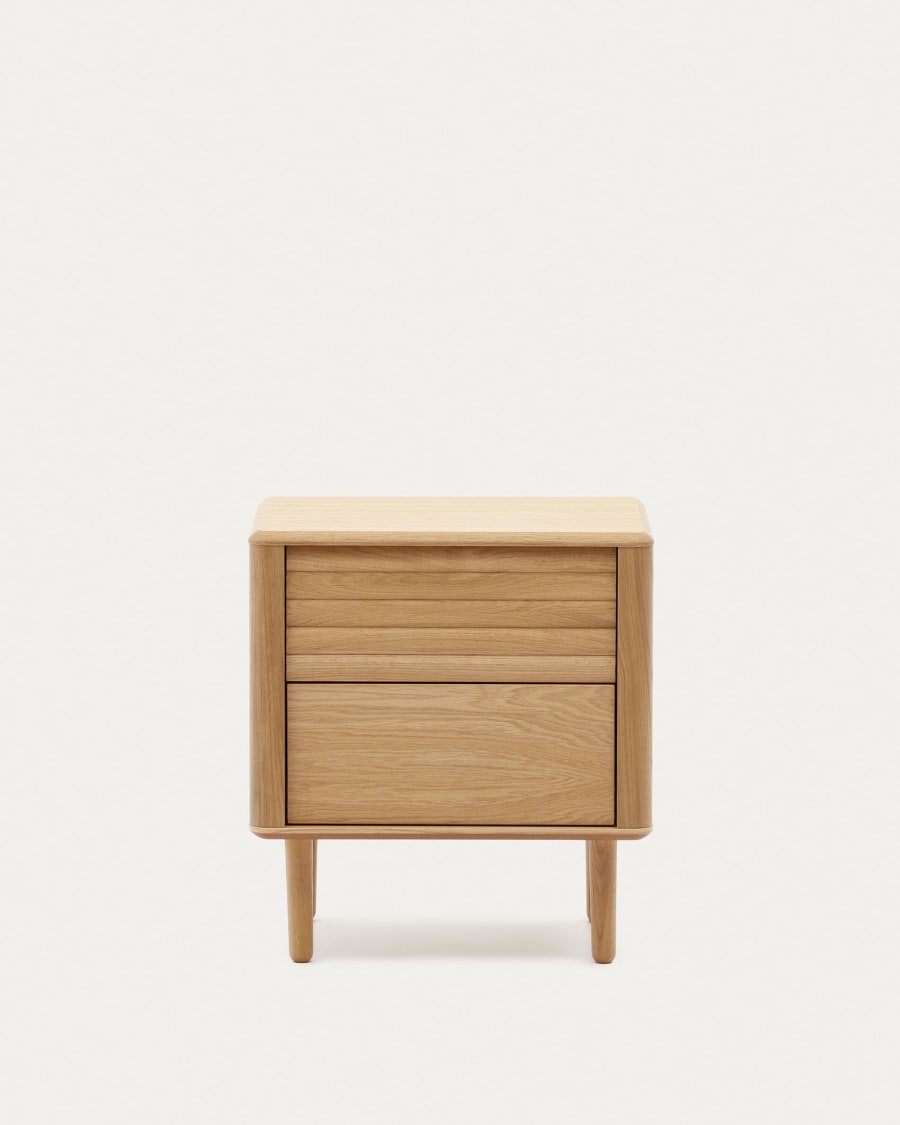
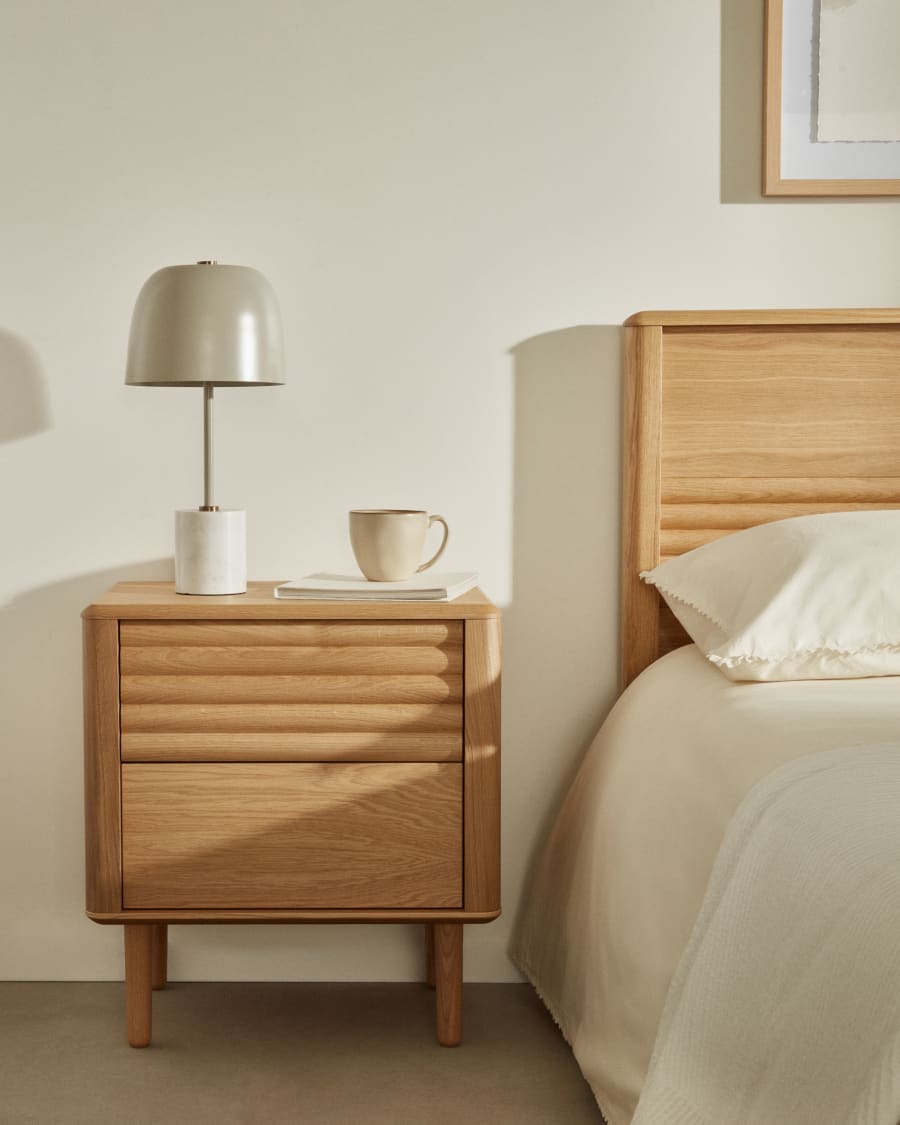
Shop Japandi Nightstands: Minimalist Wood & Bamboo Tables
Blending Japanese wabi-sabi and Scandinavian hygge, Japandi nightstands prioritize balance between minimalism and warmth. This hybrid design avoids excess, focusing on organic shapes and muted tones to create restful spaces.
Scandinavian functionality meets Japanese restraint in every detail. Clean lines ensure visual simplicity, while subtle textures—like gently curved edges or faint wood grain—add depth without clutter.
Natural Materials And Timeless Aesthetics
Wood, bamboo, and stone dominate Japandi craftsmanship. Light oak, walnut, and whitewashed finishes highlight natural beauty, while materials like marble or terrazzo add modernity without losing warmth.
-
Wood: Kiln-dried oak, solid acacia, or bamboo for durability and organic texture
-
Stone accents: Matte-finished marble or concrete for subtle contrast
-
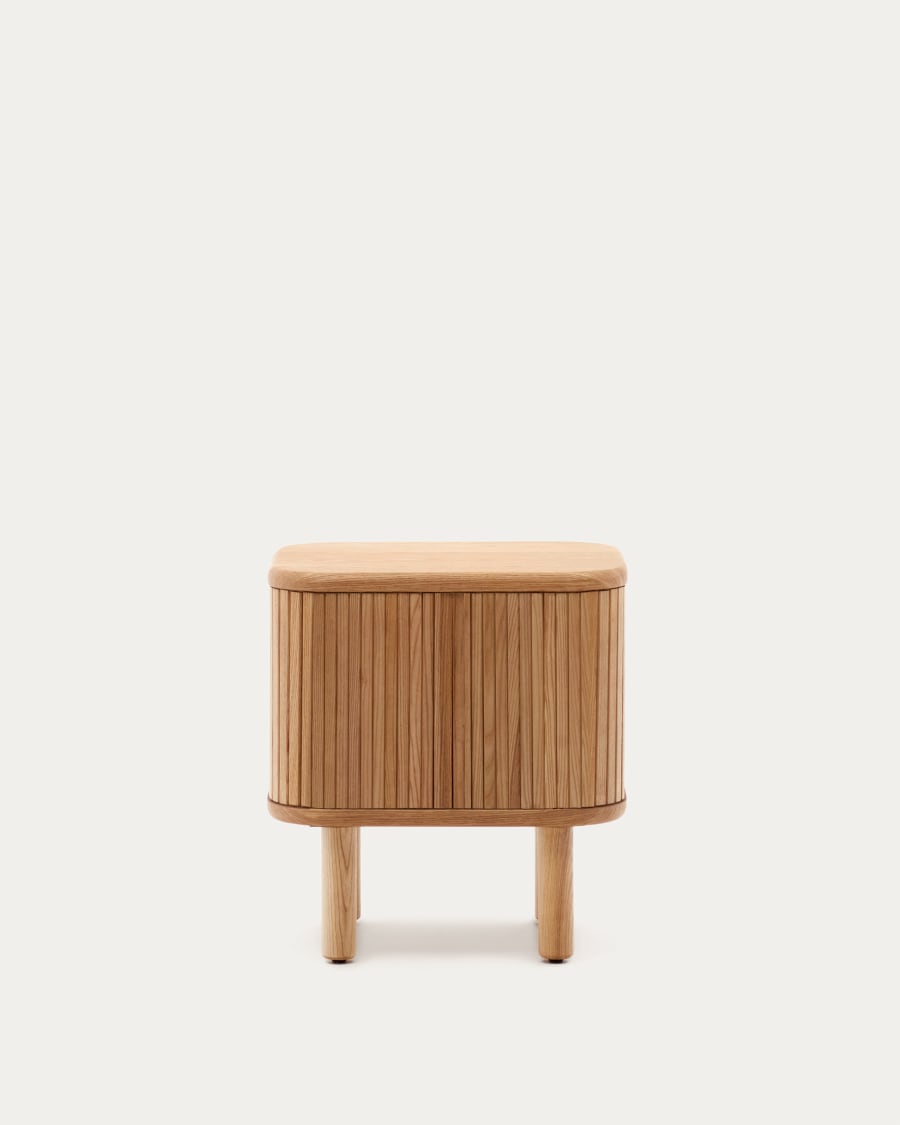
Textured details: Reeded edges or burl veneer for tactile interest
Functional Design For Clutter-Free Living
Hidden storage solutions define Japandi practicality. Soft-close drawers, push-to-open mechanisms, and floating shelves keep surfaces unbroken, maintaining serene visual flow.
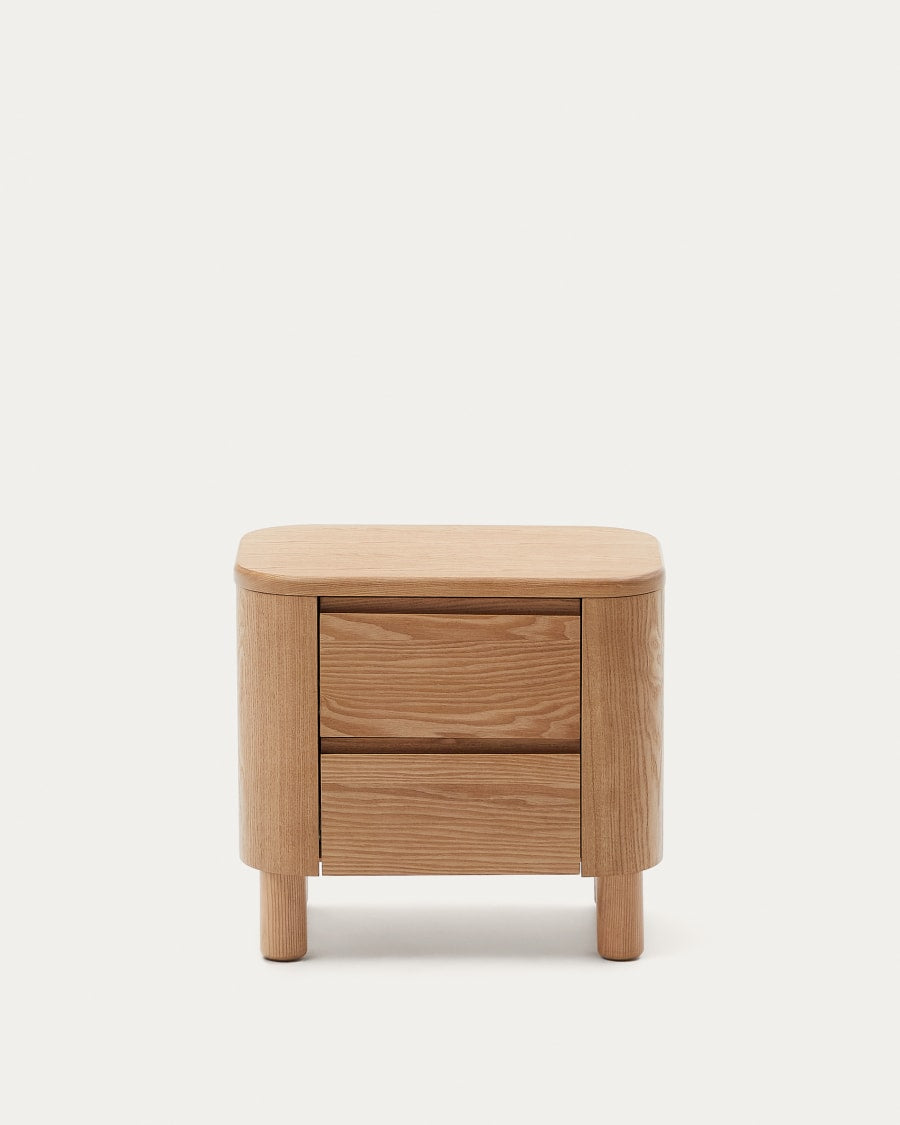
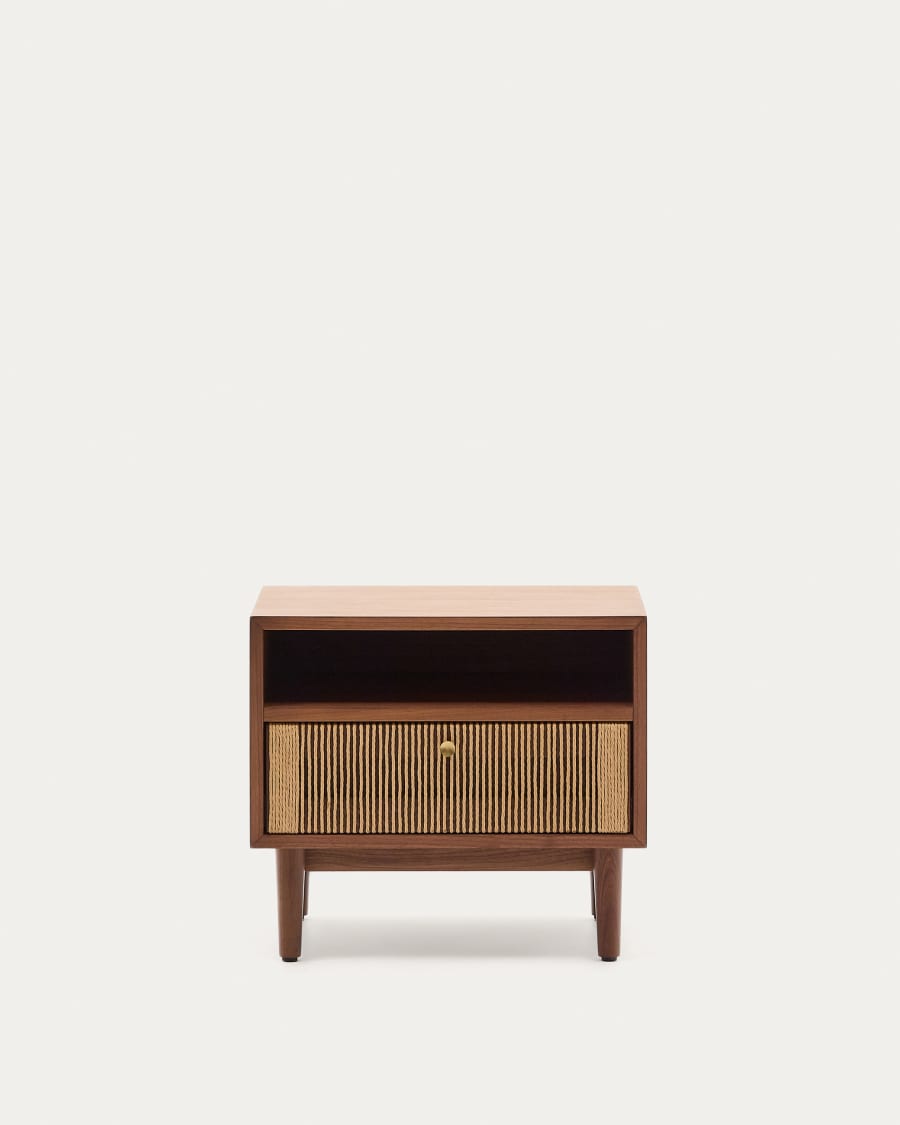
Models like the Paloma 2-Drawer Nightstand integrate dovetail joinery and smooth glides, proving function can coexist with elegance. Floating designs like the Reni model eliminate dust-collecting bases.
Creating A Tranquil Bedroom Environment
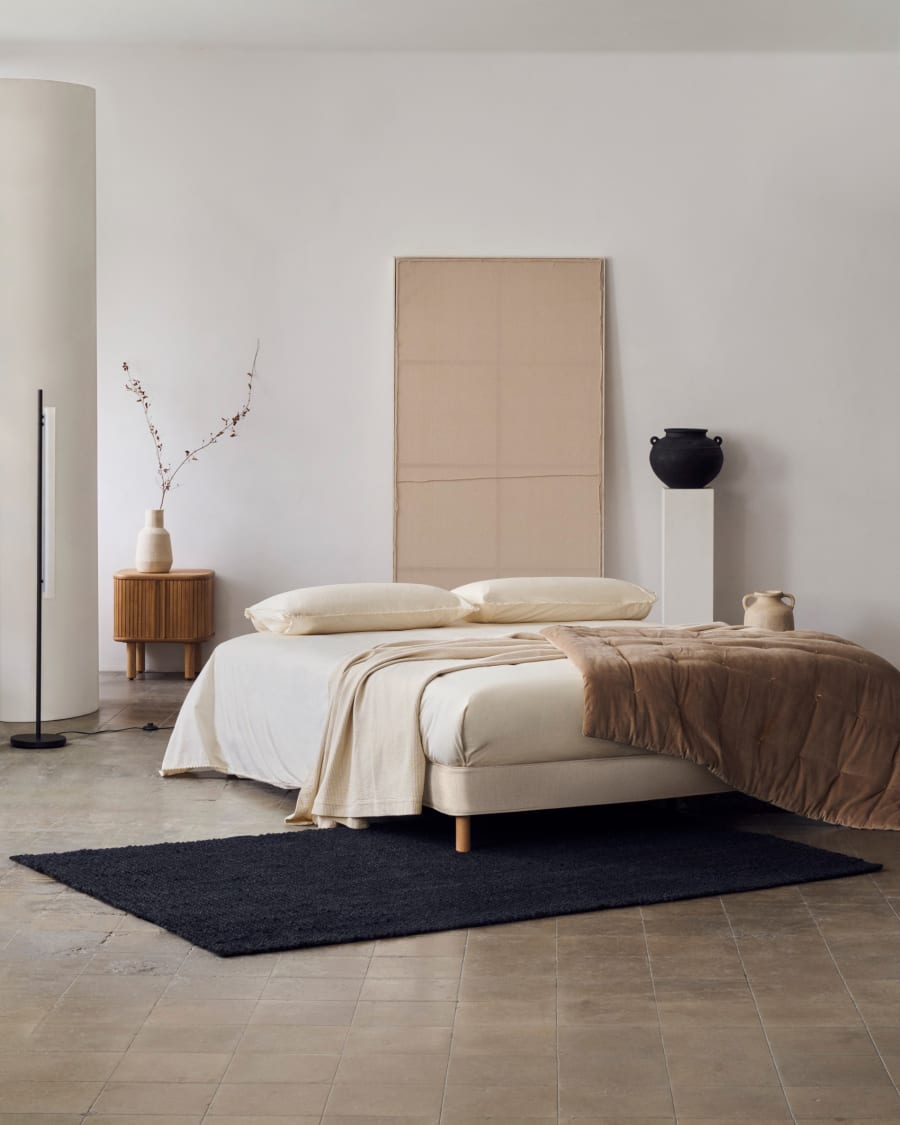
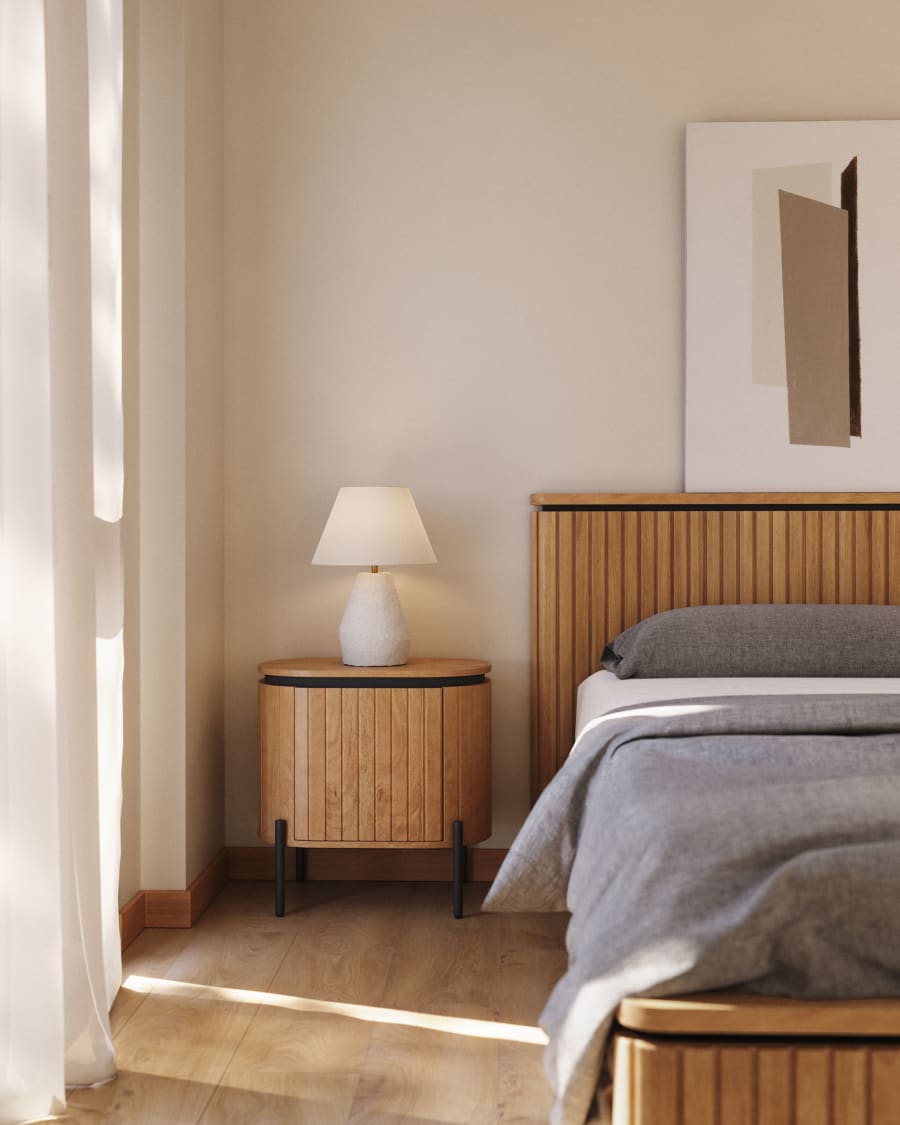
Neutral palettes—creams, greiges, and natural wood tones—visually calm rooms. This aligns with Japanese principles of uncluttered spaces and Scandinavian focus on natural light.
Customer reviews highlight how these nightstands become "anchors of calm," with one noting, "The soft-close drawers keep my nightstand as quiet as the room itself."
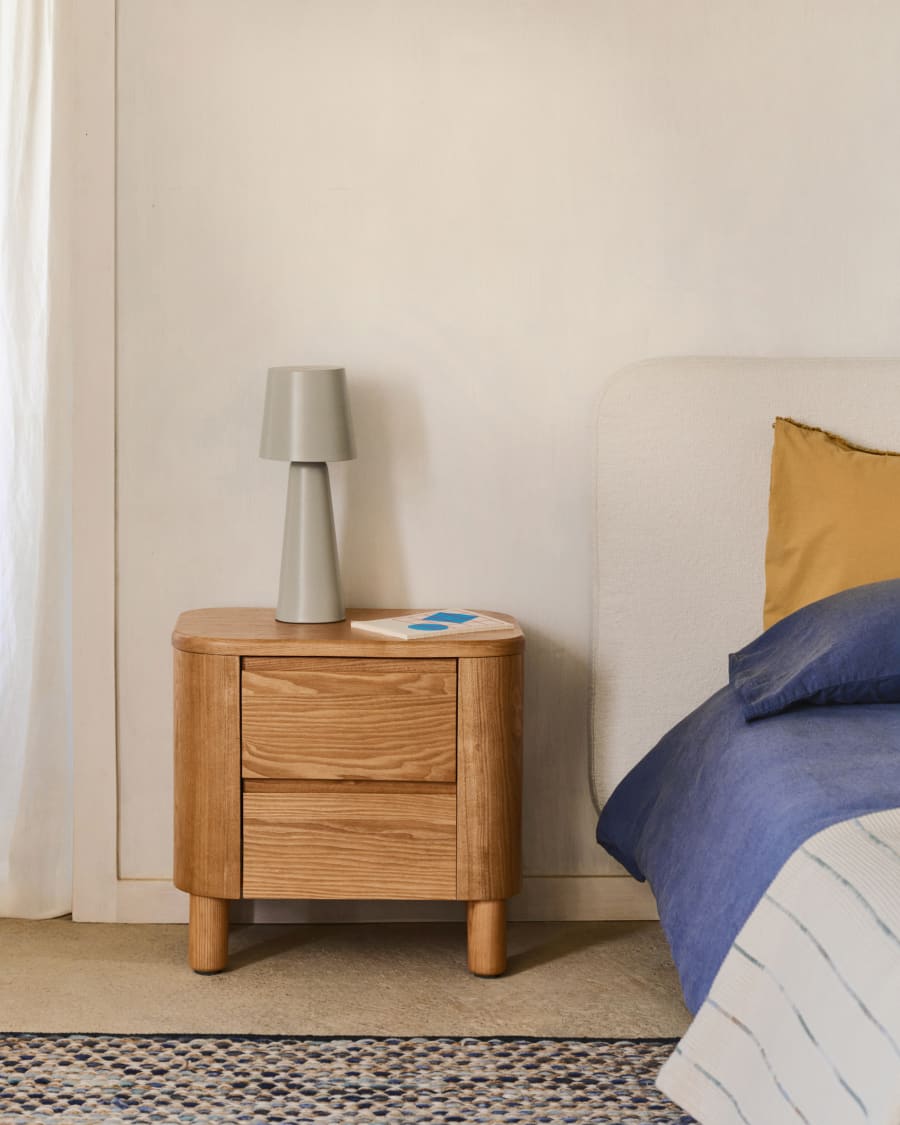
Pairing with linen bedding, potted plants, and paper lanterns amplifies the zen effect. The result? A bedroom where form and function serve restfulness.
What Are Japandi Nightstands?
Japandi nightstands blend Japanese minimalism with Scandinavian functionality, creating serene bedroom spaces. This design philosophy merges Japan’s wabi-sabi—celebrating natural imperfection—with Scandinavia’s hygge, focusing on cozy simplicity. The result? Furniture that feels grounded yet inviting, balancing raw textures with practicality. For example, the Mater Cube Nightstand, crafted from repurposed coffee waste or wood, exemplifies this synergy by merging eco-conscious materials with sleek, functional forms.
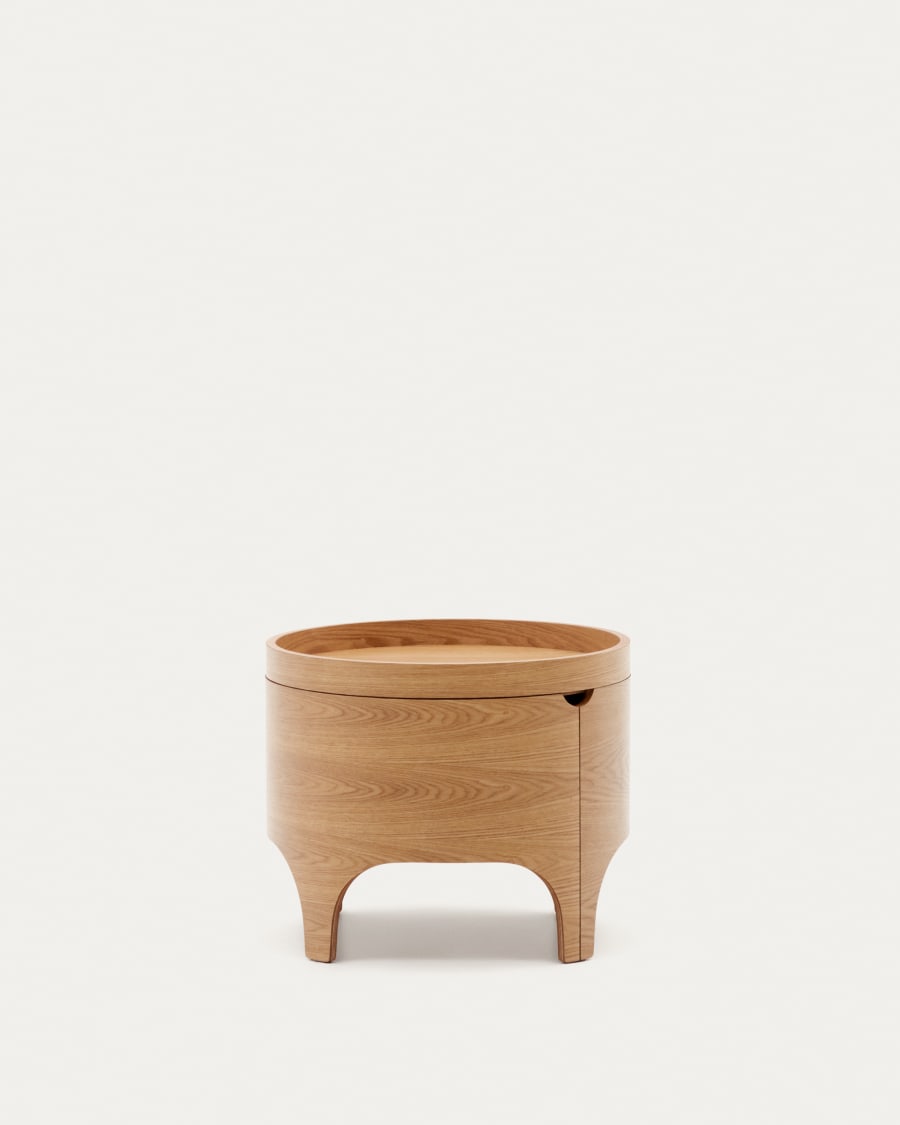
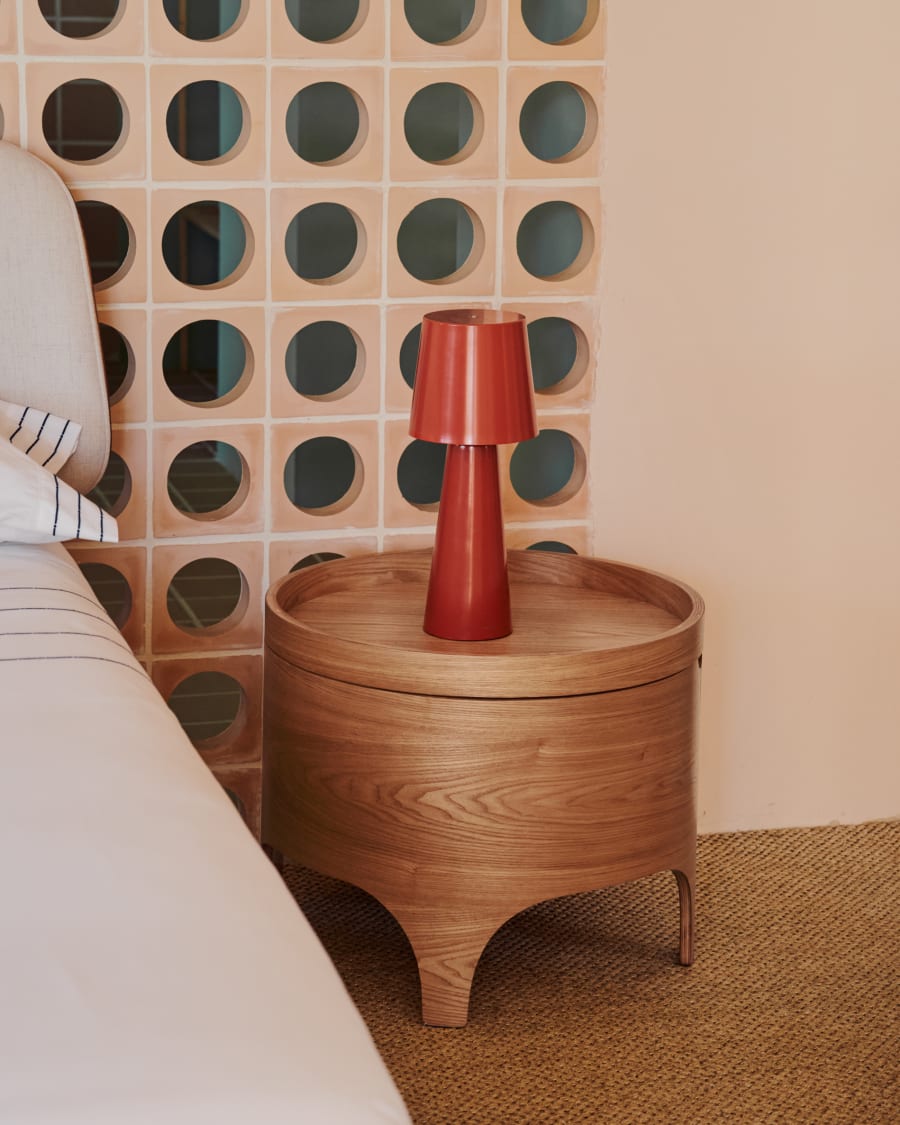
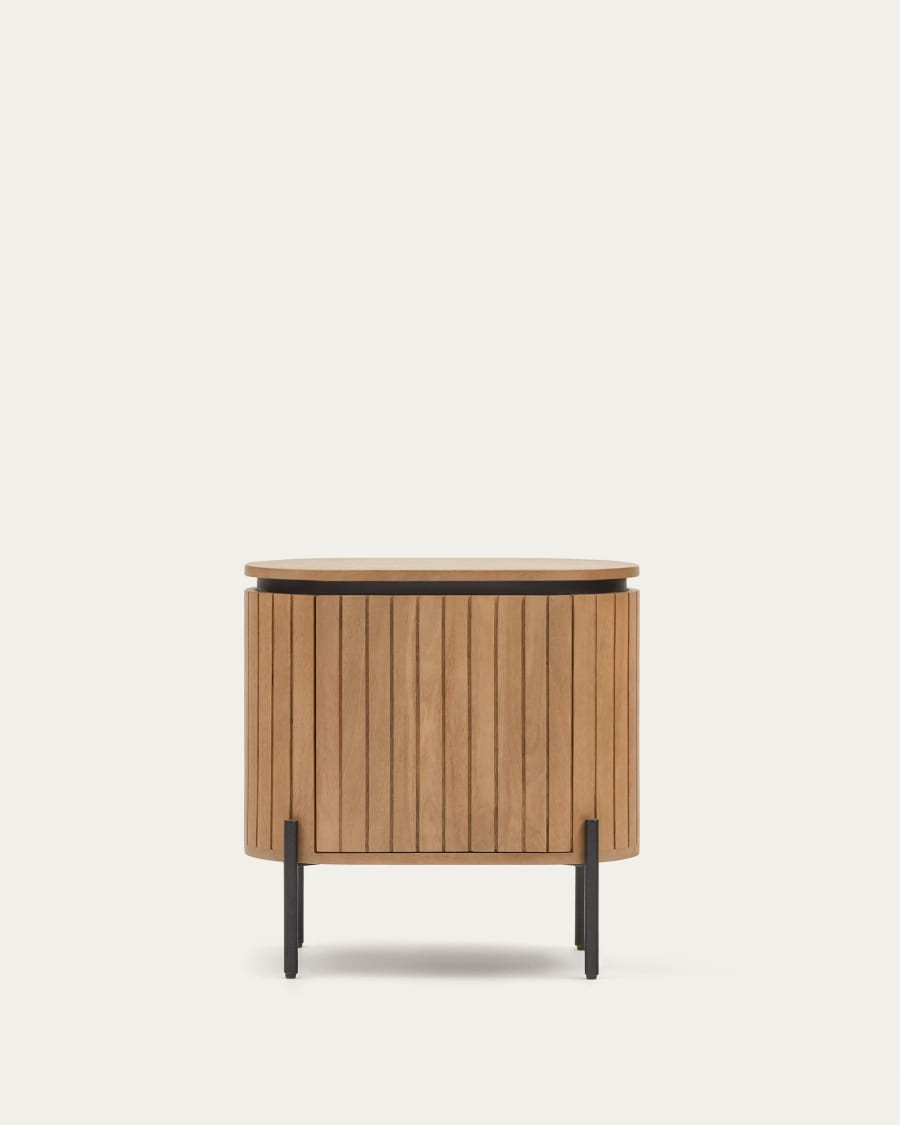
These nightstands prioritize natural materials like solid oak, walnut, or bamboo, chosen for their warmth and connection to nature. Clean lines and uncluttered silhouettes reflect a commitment to timeless aesthetics, avoiding fleeting trends. Low-profile structures, often inspired by traditional Japanese furniture, enhance calm by maintaining an unobtrusive presence. Some models feature matte stains to highlight organic wood grain or subtle textures, reinforcing the style’s emphasis on natural beauty.
-
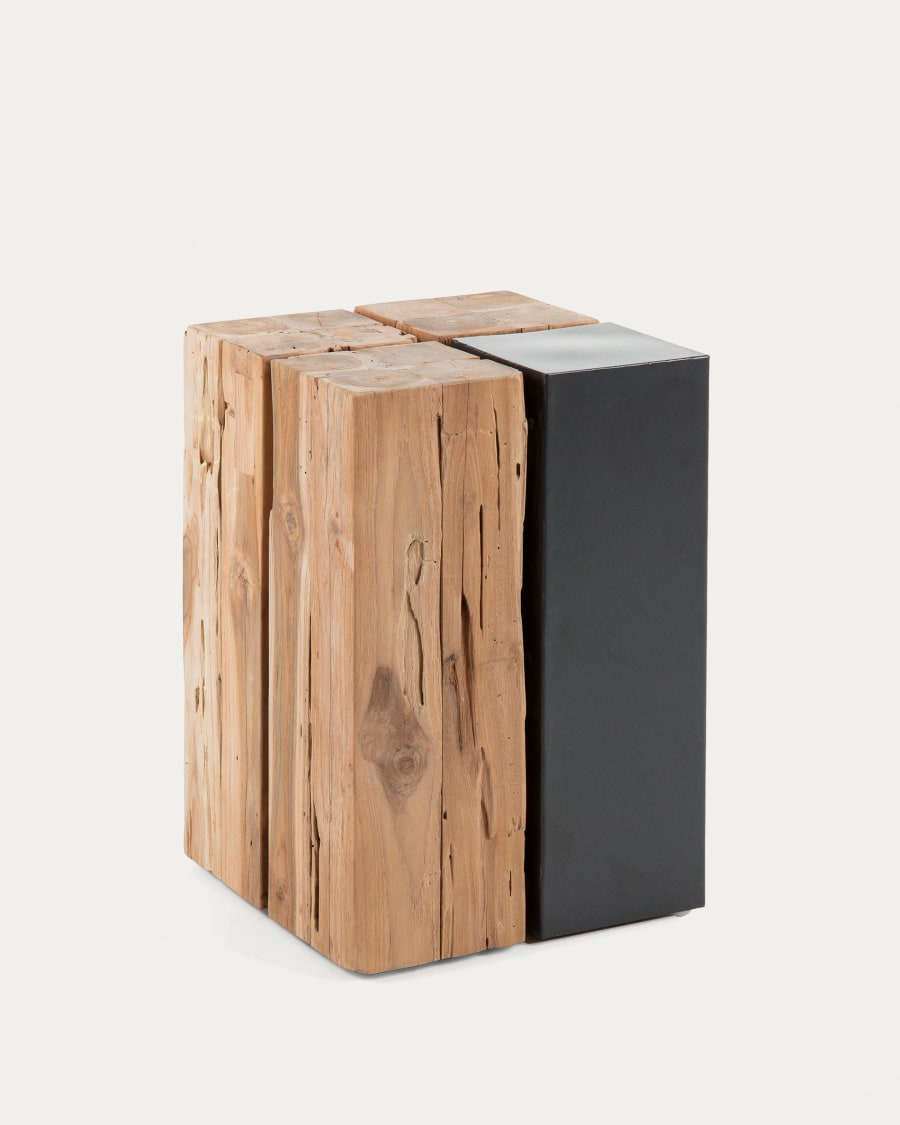
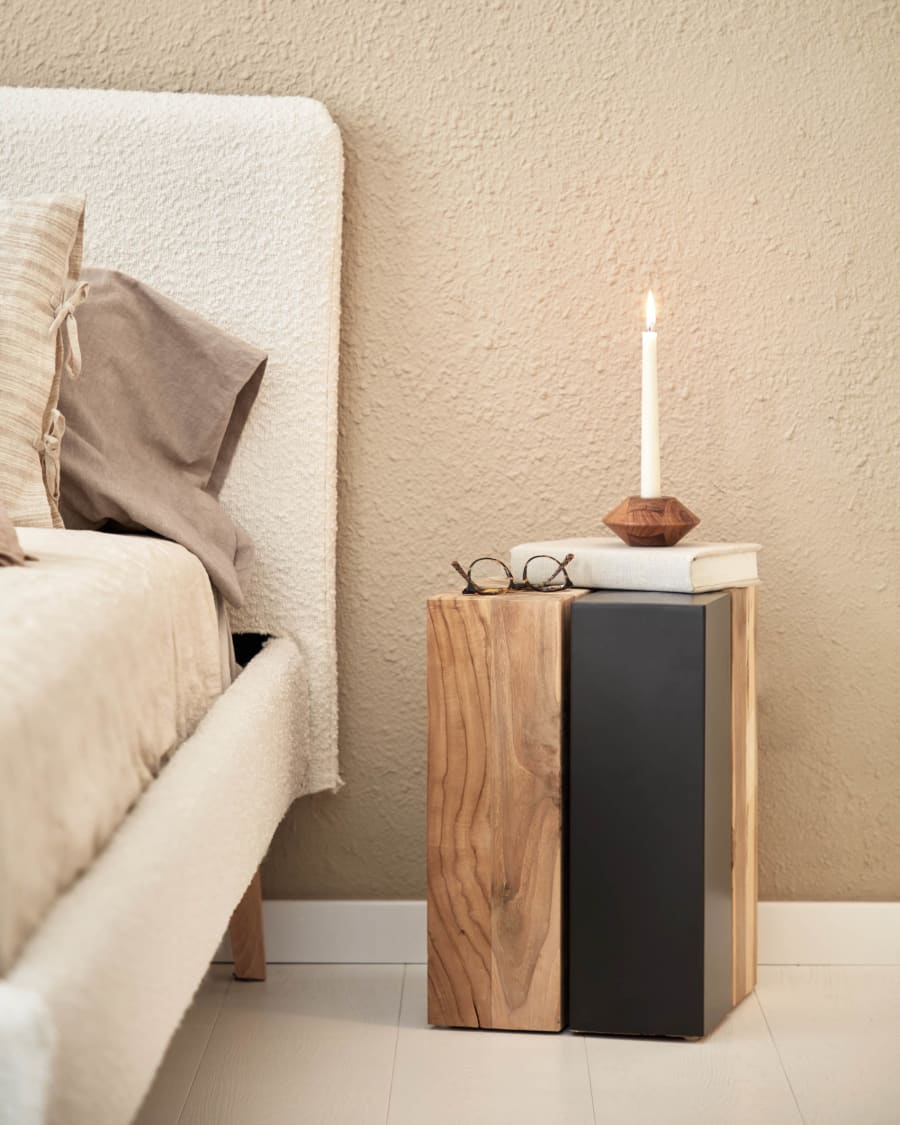
Natural materials: Wood (oak, walnut), bamboo, and occasionally stone like marble, often finished with matte stains to highlight organic patterns.
- Simplicity and function: Uncluttered designs with drawers or shelves for practical storage, prioritizing hidden mechanisms like push-to-open drawers.
-
Neutral color palette: Light oak, black, white, and gray wash for soothing tones, occasionally accented with muted terrazzo or travertine details.
- Low-profile construction: Compact heights that emphasize stability and tranquility, as seen in the Glow 2-Drawer Nightstand with tapered legs and a mid-century silhouette.
A Japandi nightstand isn’t just a functional piece—it’s a deliberate choice to infuse bedrooms with balance. By combining organic textures, muted tones, and understated elegance, these designs transform spaces into havens of quietude. They reject synthetic finishes and ornate details, focusing instead on craftsmanship that feels modern and enduring. For instance, subtle wood grain variations align with wabi-sabi’s appreciation for asymmetry, while soft-close drawers or floating designs prioritize seamless functionality over visual clutter, ensuring every detail serves purpose and peace of mind.
How to choose your japandi nightstand
Japandi nightstands merge Japanese wabi-sabi—beauty in imperfection—with Scandinavian functionalism’s practical elegance. These pieces emphasize natural textures, low-profile silhouettes, and unobtrusive storage for tranquil spaces. Focus on material authenticity, purposeful details, and harmonious shapes to align with daily life and aesthetics.
Focus on natural materials and finishes
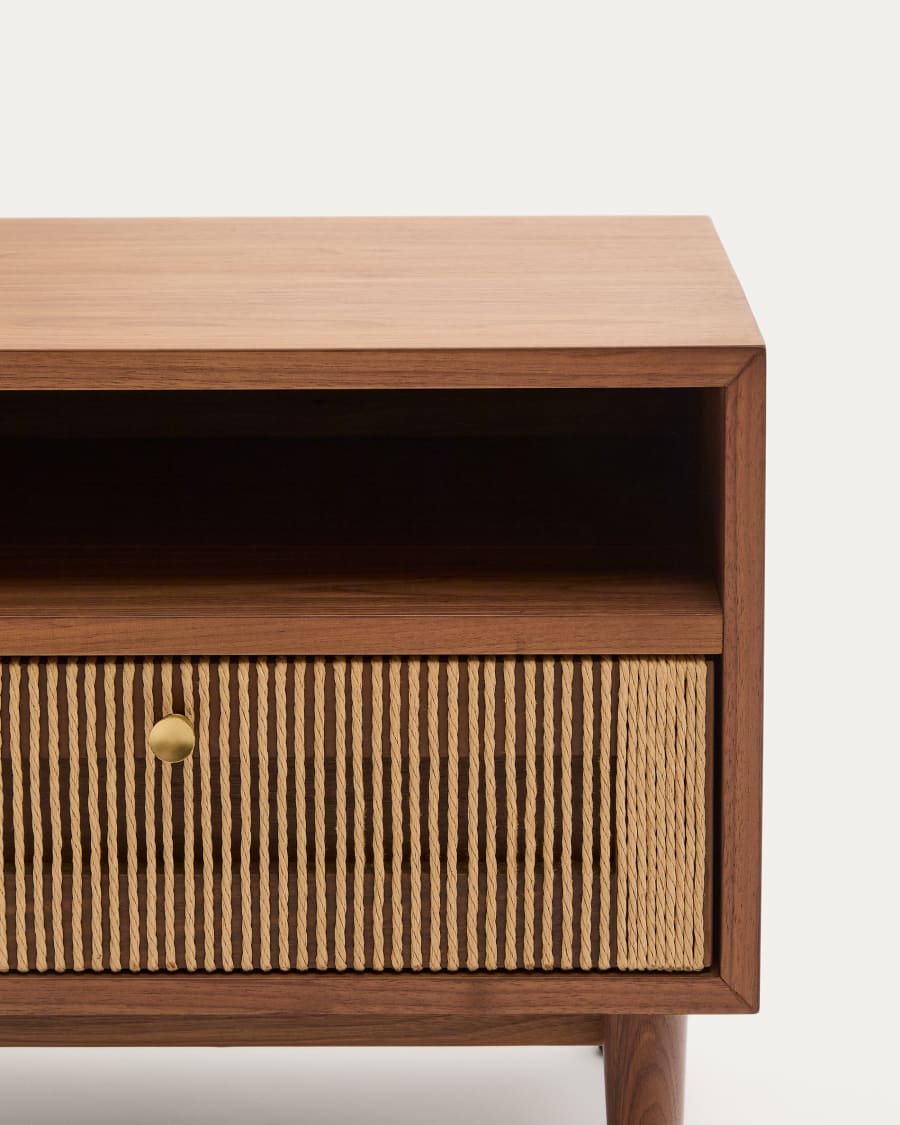
Japandi nightstands favor sustainable, tactile materials. Kiln-dried solid wood resists warping, while oak veneer balances durability with warmth. Light oak or ash finishes brighten rooms, walnut adds depth, and matte black or white lacquers offer modern contrast without harshness. Fluted or scalloped textures, like the Paloma 2’s drawer fronts, introduce subtle visual movement while maintaining simplicity.
-
Light Oak / Ash: Fluted designs add airy Scandinavian freshness, as seen in the Finnian 3’s ash construction.
-
Walnut: Push-to-open drawers blend sophistication with minimalism, exemplified by the Berkeley 2’s seamless walnut finish.
- Black or White: Matte lacquers provide bold simplicity, like the Paloma 2’s scalloped black finish for textural depth.
-
Textured details: Burl veneer highlights natural patterns, while the Giddens 2’s carved grooves add dimension without ornamentation.
Matte or satin finishes showcase wood’s authenticity. Natural grain variations, like the Soleil 2’s visible grain, celebrate Japandi’s organic ethos. These elements ensure each piece feels handcrafted and timeless.
Prioritize simplicity and functionality
Hidden storage and intuitive design maintain uncluttered spaces. Soft-close drawers, like Alvarez 2’s seamless glides, reduce noise. Open shelves, such as Reni 1’s lower tier, display curated items without visual overload. The Finnian 2’s integrated USB ports modernize the design, blending utility with restraint.
Minimalist hardware reinforces clean lines. Push-to-open mechanisms eliminate protrusions, while cutout pulls (Indra 1’s U-shaped handles) maintain flow. User reviews note Mille 1’s quiet tapered legs and easy assembly, proving functionality and elegance coexist. Soft-close glides, featured in models like Glow 2, ensure drawers operate silently, preserving bedroom tranquility.
Soft rounded corners soften rigid shapes, creating approachable focal points. Tapered legs elevate the piece visually, ideal for compact rooms. Plinth bases anchor the nightstand, aligning with Japandi’s grounded, minimal ethos. The Mille 1’s recessed pedestal base exemplifies this grounded aesthetic.
Floating designs optimize floor space and modernity. Their seamless installation reflects Japandi’s “less is more” philosophy. Low profiles and tapered legs, like Glow 2’s mid-century design, balance innovation with calming simplicity. Combining these elements ensures the nightstand enhances—not disrupts—the room’s tranquility. For instance, the Reni 1’s floating silhouette and kiln-dried wood construction merge practicality with serene, intentional design.
Finding the perfect storage configuration for a minimalist aesthetic
Storage choices in Japandi nightstands shape tranquility. A single drawer eliminates visual noise, while open shelves invite curated simplicity. These configurations define intentional design.
Drawers: The ultimate minimalist solution
Tables with one or two drawers preserve unbroken surfaces. Textured fronts (fluted oak, burl veneer) add depth without clutter. Soft-close mechanisms ensure silence; minimalist cutouts replace hardware for tactile interaction.
Open shelves: Curated simplicity
Lower shelves allow subtle personalization. A ceramic vase or linen stack gains focus through negative space. Models like the Indra 1-Drawer Nightstand place shelves below drawers, creating hierarchy: hidden storage above, artful display below.
Combination designs: Balance in form and function
Hybrid units like the Akira 1-Drawer Nightstand merge hidden storage with open access. Drawers safeguard valuables; open compartments hold essentials like reading glasses. This duality merges Scandinavian practicality with Japanese wabi-sabi—beauty through intentional impermanence.
| Storage Type |
Best for |
Aesthetic Impact |
| Drawers only (1-2 drawers) |
Concealing clutter, maximum minimalism. |
Creates a clean, seamless, and fully uncluttered surface. |
| Open shelf / compartment |
Curated display of a few items (books, small plant). |
Adds a personal touch and visual interest while maintaining an open feel. |
| Combination (Drawer + Shelf) |
The perfect balance between hidden storage and light display. |
Versatile and functional, blending concealed and open space. |
| Floating design |
Small spaces, creating an airy and open feeling. |
Ultimate minimalist look, enhances the sense of space in the room. |
Floating nightstands: Space-defying serenity
Wall-mounted units like the Reni 1-Drawer Nightstand expand perceived space. Their weightless appearance suits compact rooms. Installation at mattress height ensures accessibility, proving minimalism thrives in technical innovation.
Materials celebrate organic imperfection. Oak’s grain patterns and fluted textures ensure each piece feels unique yet unified by quiet elegance—timeless amid fleeting trends.
The Three Core Characteristics Of A True Japandi Nightstand
A true Japandi nightstand merges Japanese and Scandinavian design principles through three defining traits. These elements create functional, calming bedroom spaces rooted in nature and simplicity.
Natural materials define the essence. Kiln-dried wood, solid oak, walnut, and bamboo dominate constructions, celebrating organic textures and grain variations. Imperfections in the wood are intentional nods to wabi-sabi philosophy, emphasizing authenticity. Some designs incorporate marble accents or sustainably sourced coffee-waste composites, but synthetic materials remain strictly avoided. The Mater Cube Nightstand repurposes coffee grounds into durable surfaces, while the Mille 1-Drawer Nightstand uses oven-dried wood with handle-free drawers to highlight material purity.
Simplicity meets functionality in every detail. Clean lines and unembellished surfaces prioritize purpose over ornamentation. Tapered legs, recessed handles, and push-to-open drawers eliminate visual clutter. Storage solutions like soft-close drawers and open shelves balance practicality with minimalism. The Paloma 2-Drawer and Berkeley 2-Drawer models exemplify this with dovetail joints, recessed panels, and natural wood grain patterns.
Low-profile construction creates grounding energy. Inspired by traditional Japanese floor-based living, these nightstands typically sit 18-24 inches high. This horizontal orientation aligns with platform beds and tatami mats. Floating designs maintain this principle through wall-mounted installations. The Glow 2-Drawer and Reni 1-Drawer models demonstrate this with tapered legs and elevated minimalism.
-
Authentic Natural Materials: Prioritizing high-quality, natural wood to bring warmth and an organic feel
-
Mindful Simplicity and Function: Ensuring every design element is purposeful, with clean lines and practical, integrated storage
-
Grounding Low Height: Adopting a low-profile construction to foster a calm, grounded atmosphere in the bedroom
FAQ
What defines a Japandi nightstand?
Japandi nightstands merge Japanese minimalism with Scandinavian functionality, creating serene, purposeful designs. They emphasize clean lines, natural materials like kiln-dried oak or walnut, and neutral tones (light oak, black, white) to foster tranquility. Rooted in wabi-sabi (appreciation of imperfection) and hygge (Scandinavian coziness), these pieces balance simplicity with subtle textures, such as fluted wood or scalloped edges, while prioritizing practicality—think push-to-open drawers or soft-close mechanisms—to maintain an uncluttered aesthetic.
What materials are commonly used in Japandi nightstands?
Natural materials dominate Japandi nightstands: solid or veneered oak, walnut, and ash for warmth and durability. Light finishes like gray wash or white enhance their airy feel, while textured elements (e.g., burl veneer, fluted surfaces) add depth without excess ornamentation. Some designs incorporate stone or marble accents for contrast, though wood remains the core material. Sustainable options, like bamboo or repurposed timber, align with the style’s eco-conscious ethos, celebrating organic imperfections through matte or satin finishes.
Why are Japandi nightstands typically low-profile?
The low-profile design stems from traditional Japanese interiors, where furniture sits close to the ground (e.g., tatami mats), promoting a grounded, calming atmosphere. This style complements low beds or platform frames, creating visual harmony. The reduced height also enhances spatial flow, making rooms feel more open—a key Japandi principle. Floating nightstands, like the Reni 1 model, amplify this effect by eliminating visual bulk while maintaining functionality through minimal storage solutions.
How do I choose the right Japandi nightstand for my space?
Prioritize three elements: material quality, storage needs, and design cohesion. Opt for solid wood or premium veneers that age gracefully, aligning with wabi-sabi’s embrace of natural textures. For compact areas, choose a single-drawer design (e.g., Mille 1) or floating unit to maximize space. Larger rooms might suit hybrid models like the Indra 2, combining a drawer with an open lower shelf for curated decor. Ensure the silhouette—rounded corners, tapered legs—echoes the serene, uncluttered ethos of Japandi.
Are Japandi nightstands suitable for small bedrooms?
Yes, their minimalist, low-profile designs make them ideal for compact spaces. Floating models (e.g., Reni 1) save floor space, while streamlined silhouettes and neutral tones visually expand rooms. Storage configurations like single drawers (Mille 1) or open shelves keep essentials accessible without overwhelming the area. For added efficiency, select pieces with built-in tech features, like the Finnian 2’s USB ports, to reduce cable clutter. This focus on intentional design ensures even tiny spaces feel tranquil and intentional.